
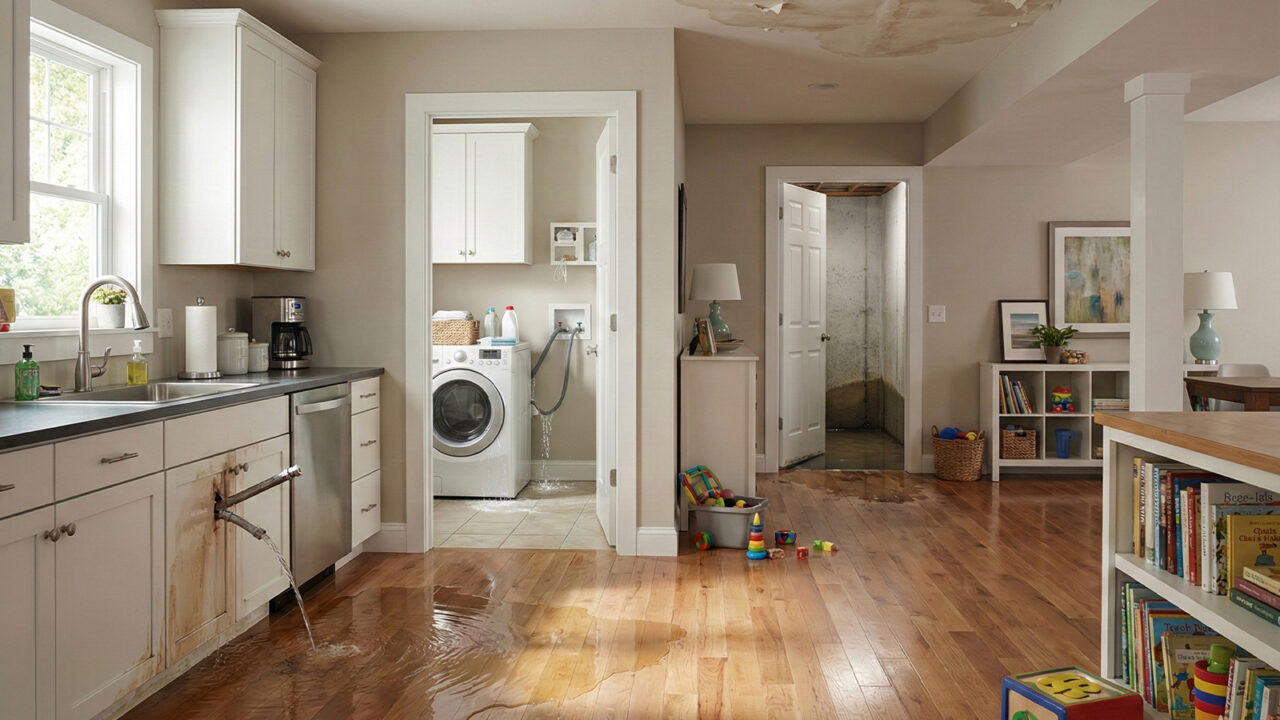
Water damage often starts quietly, hidden behind walls and under floors. It’s a risk every homeowner faces. About 14,000 Americans file water damage claims daily. That’s 1 in 60 insured homes every year. That’s why Water Damage Restoration is critical – the faster you act, the less damage spreads.
The average insurance claim for water damage is $10,849. It’s the second most common claim, after wind and hail. Moisture can spread quickly, damaging your home’s structure and raising energy bills.
There are many causes of moisture damage in homes. Some happen suddenly, while others take months or years to develop. Mold can grow in just 24 to 48 hours, causing health issues and bad smells. Structural damage occurs when water stays trapped in walls, ceilings, or floors.
Knowing the common causes of water damage helps protect your home. Small leaks can become big problems if not fixed quickly. Regular maintenance and fast action can save you thousands of dollars in repairs. It’s important to know what to look for and act fast when you see trouble.
Key Takeaways
- Water damage affects 1 in 60 insured homes annually with average claims reaching $10,849
- Mold growth starts within 24-48 hours after water exposure
- Structural damage occurs when moisture spreads through building materials
- Small leaks can lead to major problems if not addressed quickly
- Water damage ranks as the second most common home insurance claim
- Regular maintenance prevents costly repairs and protects your home value
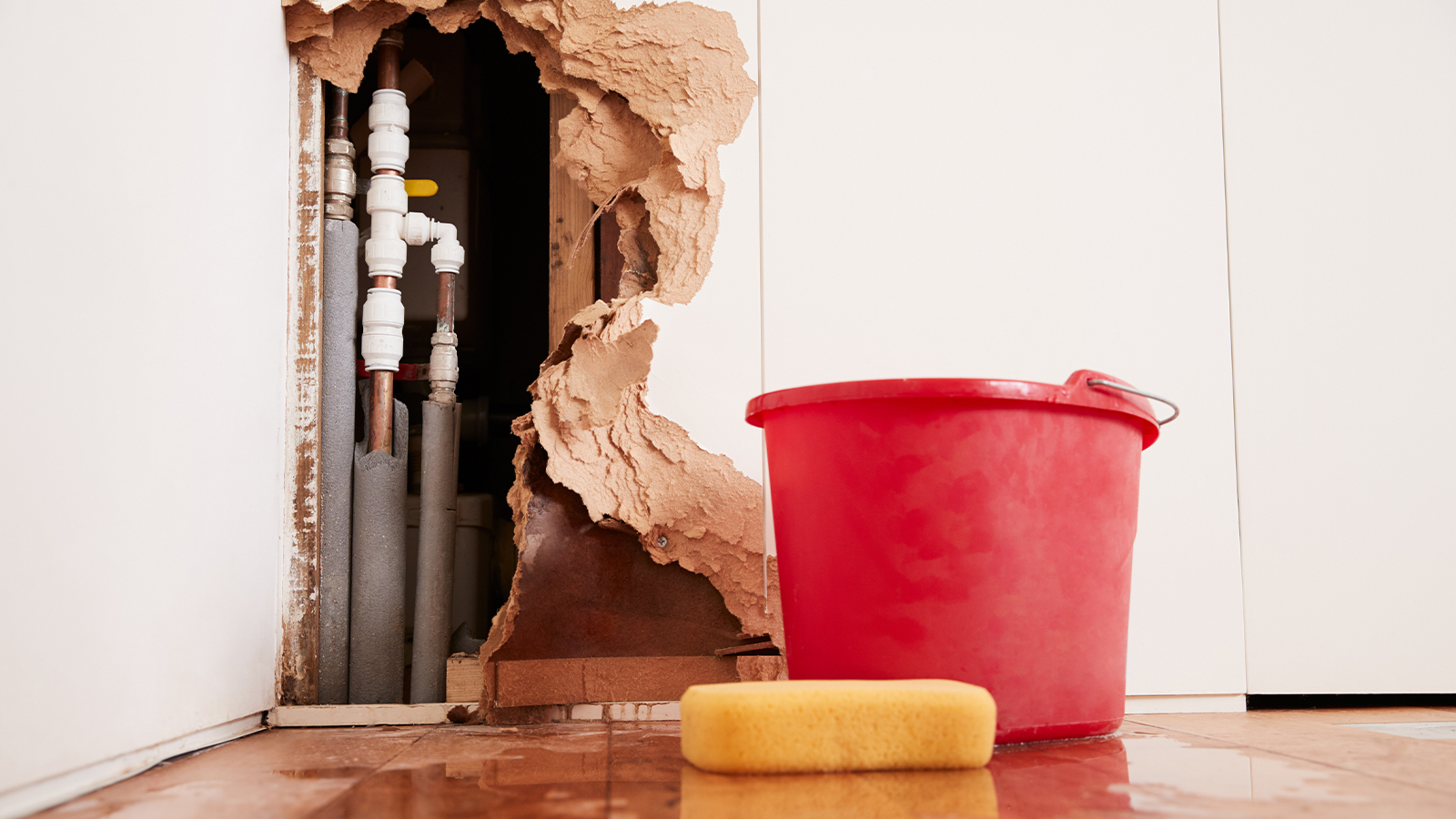
1. Plumbing System Failures and Pipe Problems
Your home’s plumbing system is everywhere. It runs through walls, ceilings, and floors. If these pipes fail, they can cause a lot of damage from water quickly. A burst pipe can release up to 600 gallons of water per hour, turning your home into a disaster zone.
Even small plumbing issues can lead to big problems. They can make your water bill go up and damage your property.
Burst Pipes: A Leading Cause of Water Damage
A burst pipe is a major plumbing emergency. Cold weather, corrosion, and changes in pressure can make pipes crack. When this happens, water flows out fast, damaging everything in its path.
Attics, basements, and exterior walls are most at risk for pipe failures. Older homes with metal pipes are more likely to have problems due to corrosion. Poor installation and DIY repairs can also lead to weak points that fail under normal pressure.
Leaking Pipes and Slow Water Seepage
Not all leaks are loud and obvious. Sometimes, a leaking pipe drips quietly behind walls for months before you see the damage. These slow leaks can seep into building materials, causing mold and structural decay.
| Type of Leak | Water Loss Per Day | Annual Cost Impact |
|---|---|---|
| Pinhole leak | 10 gallons of water | $35-50 |
| Small crack | 50 gallons of water | $175-250 |
| Loose fitting | 120 gallons of water | $420-600 |
Look out for signs like damp spots, musty smells, or sudden increases in your water bill. These signs mean you have hidden water-related damage that needs fixing right away.
2. Appliance Malfunctions and Water Supply Line Failures
Home appliances make our lives easier, but they can also cause big problems. A single appliance failure can spill hundreds of gallons of water in just minutes. Most moisture damage claims come from appliances and their water supply lines.
Water Heater Leaks and Failures
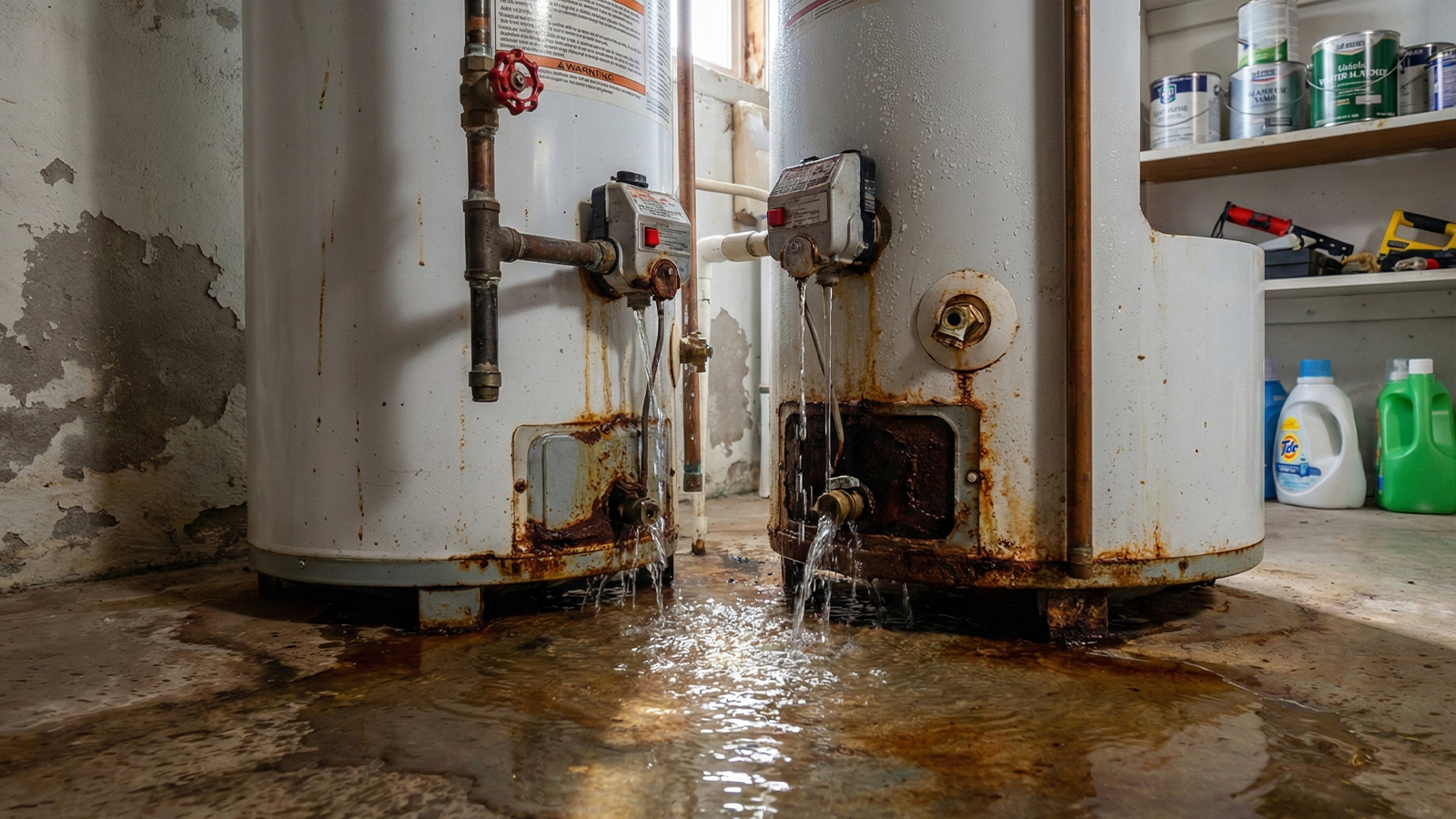
Your water heater works all day to give you hot water. Tank-style water heaters usually last 8-12 years before they start to leak. If it fails, it can spill 40-80 gallons of water right away.
The supply line to your water heater is under constant pressure. It can crack or come loose at the fittings.
Regular checks can catch small leaks before they turn into big floods. Look for rust, moisture, and worn connections. Many insurance policies cover sudden failures but not leaks from neglect.
Washing Machine and Dishwasher Problems
Your washing machine and dishwasher use a lot of water. Over time, the rubber hoses can wear out. A burst hose can release 650 gallons of water per hour.
Dishwasher door seals can also fail, letting water leak onto the kitchen floor.
| Appliance Type | Common Failure Points | Water Released Per Hour |
|---|---|---|
| Washing Machine | Supply hoses, drain pump | 650 gallons |
| Dishwasher | Door seals, supply line | 300 gallons |
| Water Heater | Tank bottom, valve connections | 500 gallons |
Change washing machine hoses every 3-5 years to steel-braided ones. Run your dishwasher only when you’re home to catch leaks fast. Insurance usually covers sudden failures but might not for gradual damage.
3. High Water Pressure and Water Flow Issues
Water pressure is key in your home’s plumbing. The right amount ensures water flows well. But, too much pressure can cause big problems.
Many don’t see the danger until water starts leaking from pipes or connections.
Understanding High Water Pressure in Residential Homes
Water pressure should be between 40 and 80 pounds per square inch (psi) in homes. Pressures over 80 psi stress pipes and fixtures too much. This can wear down your plumbing system over time.
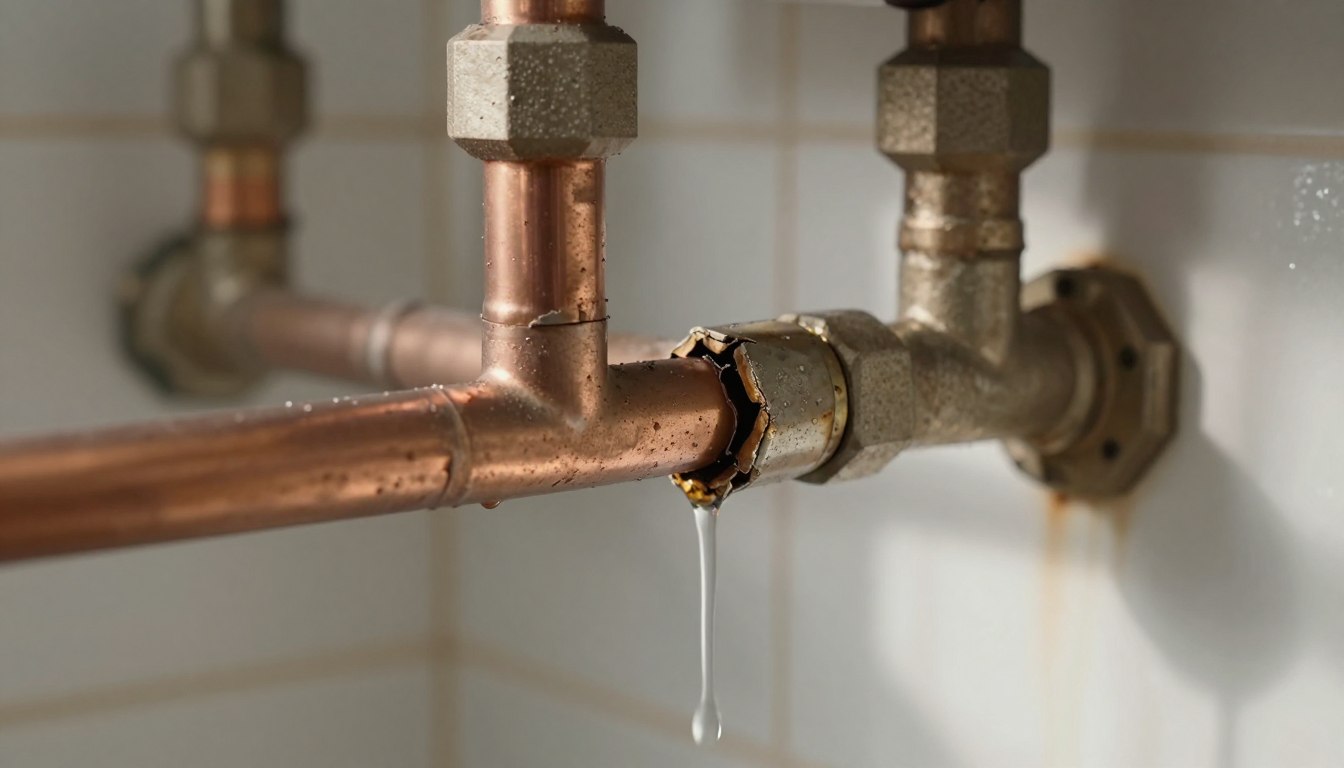
High water pressure can corrode pipes faster, damage appliance valves, and cause water hammer. This is a loud banging sound in pipes. It means pressure surges that can crack connections and lead to leaks.
| Pressure Level (PSI) | Risk Level | Potential Damage |
|---|---|---|
| 40-60 | Safe | Normal wear |
| 60-80 | Acceptable | Slight stress on fixtures |
| 80-100 | High Risk | Pinhole leaks, seal failures |
| Above 100 | Dangerous | Burst pipes, appliance failure |
The Importance of Water Pressure Regulators
A water pressure regulator protects your plumbing from high water pressure. It lowers the pressure to safe levels. This prevents damage to your water system.
Getting a regulator is cheaper than fixing damage from burst pipes or failed water heaters.
4. Weather-Related and External Water Sources
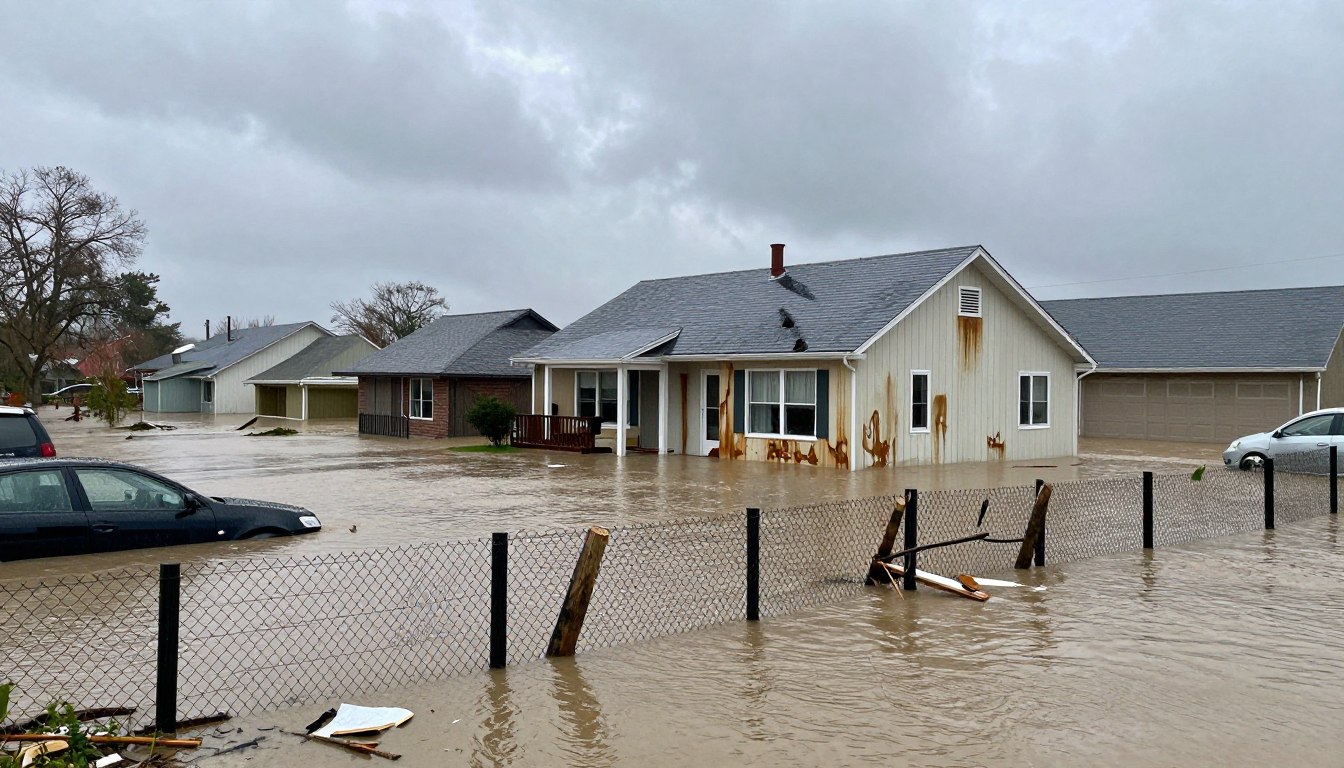
Weather events are a big cause of water-related damage in Houston homes. Natural disasters can bring a lot of water into your home quickly. The Gulf Coast area faces special challenges from tropical storms and flooding that can damage properties a lot.
Heavy Rainfall and Flooding in the Houston Area
Houston gets about 50 inches of rain every year. Flooding is a big and expensive problem for homeowners. Tropical storms and hurricanes can cause water destruction from rising floodwaters.
Standing water from street flooding often gets into homes. It gets in through doorways, windows, and cracks in the foundation.
Flash floods can make water levels rise fast. This can damage walls and foundations a lot. Even homes not in flood zones can get moisture problems during extreme weather.
Storm Damage and Roof Leaks
Roof problems can lead to water intrusion over time. Missing shingles, bad flashing, and clogged gutters let rainwater into attics. This can damage insulation and cause water stains on ceilings.
Wind-driven rain can find weak spots in roofs. Small leaks can spread water through walls and cause mold in 24-48 hours. Checking your roof often can help find problems before they get worse.
Learn More: Emergency Water Damage Services for Leaking Roofs
5. Poor Drainage, Foundation Cracks, and Structural Issues
Your home’s foundation is key in keeping water out. Drainage problems and foundation cracks let water in. These small issues can cause big damage if not fixed.
Foundation Problems That Allow Water to Enter
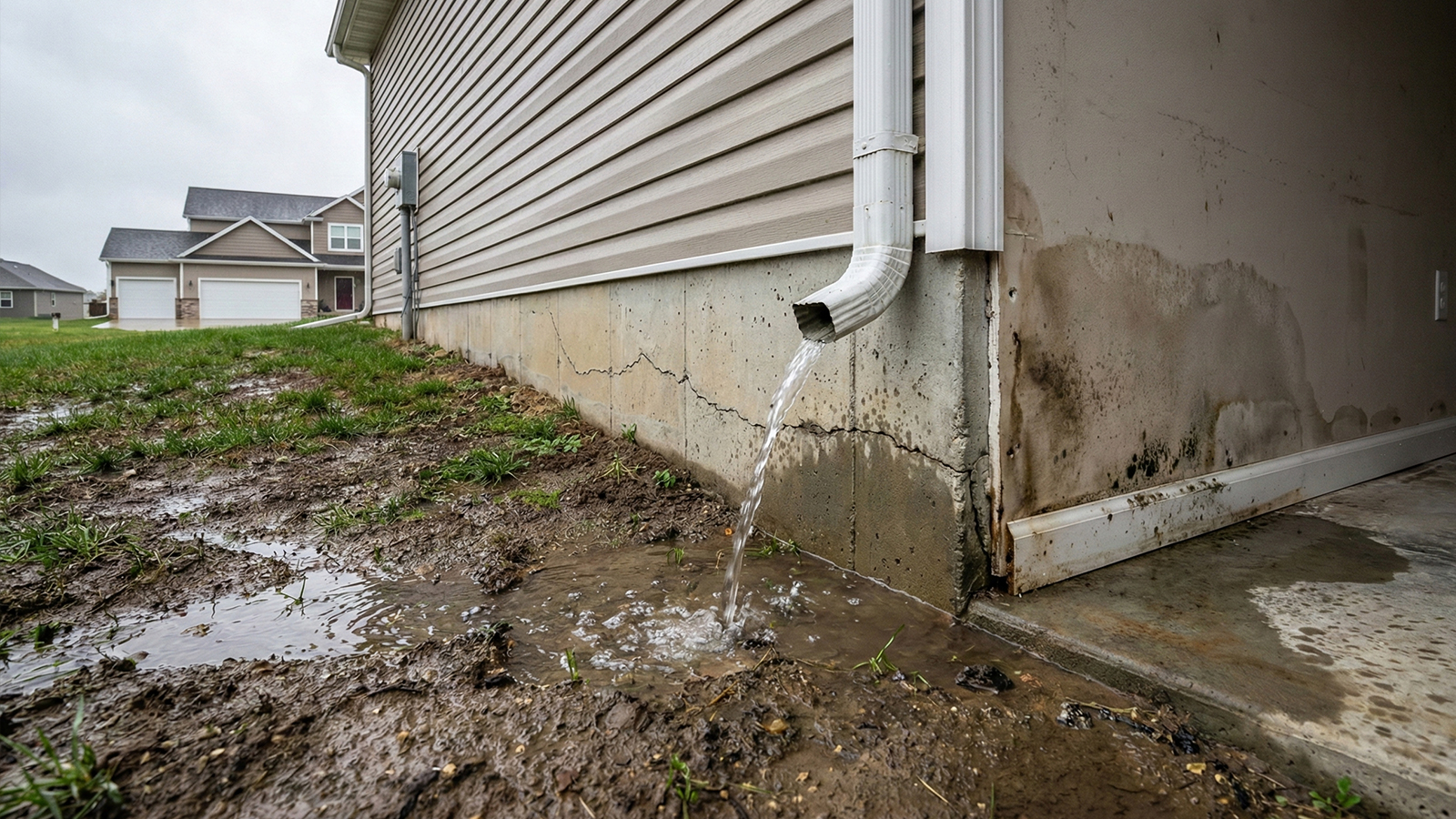
Foundation cracks happen as concrete settles and ages. Even small cracks can let water in. Water from the ground pushes through these cracks, causing damage.
Concrete and masonry let water through slowly. This can cause paint to peel and mold to grow. Fixing cracks quickly and watching for new ones is important.
Inadequate Drainage Systems
Poor drainage leads to water around your foundation, causing damage. Common problems include:
- Soil grading that slopes toward the house instead of away
- Downspouts that discharge water too close to foundation walls
- Clogged gutters that overflow onto the roof and foundation
- Missing or damaged French drains
When gutters can’t handle water, it builds up near your foundation. This water makes the soil expand and contract. This puts pressure on basement walls, causing more cracks. Keeping gutters clean and grading right helps protect your home.
6. Detecting Signs of Water Damage and How to Prevent Costly Repairs
Spotting water-related damage early can save a lot of money. It keeps your home’s value high and stops big problems. Knowing the signs helps you act fast to fix water issues.
Visible Signs of Water Damage in Homes
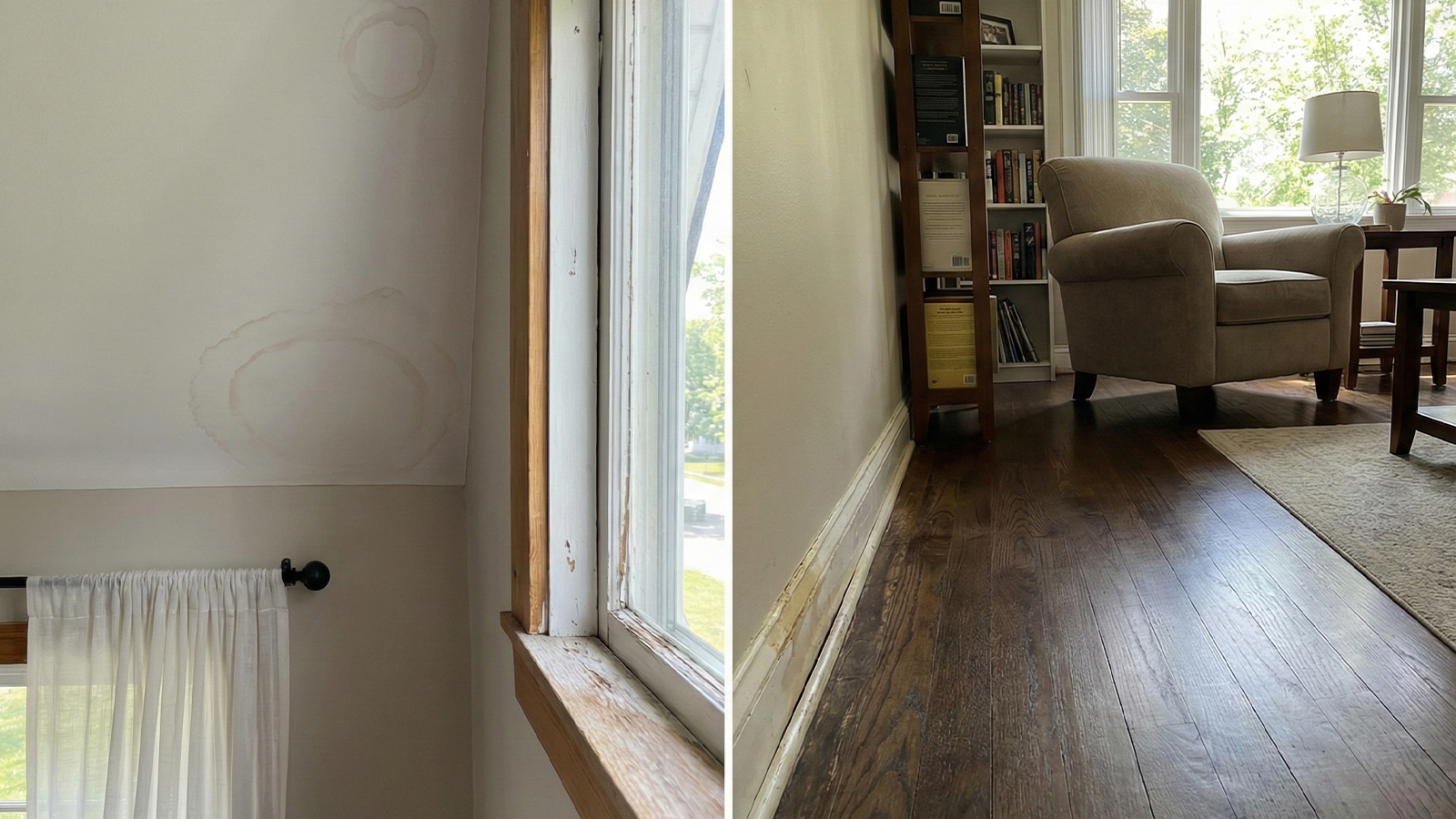
Look for yellow or brown rings on ceilings and walls. Warped floors and bubbly paint mean moisture is hiding. A musty smell often means mold from moisture buildup.
Soft spots in floors near bathrooms and kitchens are signs of leaks. These areas are common trouble spots.
Hidden Indicators of Water Problems
High water bills can mean hidden leaks. Check crawl spaces for water or dampness. Cool spots on walls near plumbing also hint at moisture.
These signs need quick attention to stop water destruction from getting worse.
Prevention Strategies to Protect Your Home
Regular upkeep stops water destruction and saves money. Here are some key steps:
- Inspect pipes annually for corrosion or wear
- Install water leak detectors near appliances
- Clean gutters every three months
- Extend downspouts six feet from foundations
- Re-caulk bathroom fixtures yearly
- Run exhaust fans during showers
- Schedule HVAC maintenance twice yearly
| Prevention Method | Frequency | Average Cost Saved |
|---|---|---|
| Pipe Inspection | Annually | $3,000-$5,000 |
| Gutter Cleaning | Quarterly | $2,000-$4,000 |
| Foundation Sealing | Every 5 years | $8,000-$12,000 |
Preventing moisture buildup is better than fixing big problems later. Smart homeowners watch for signs and keep their homes in good shape.
Professional Water Damage Restoration in Houston with Steam Commander
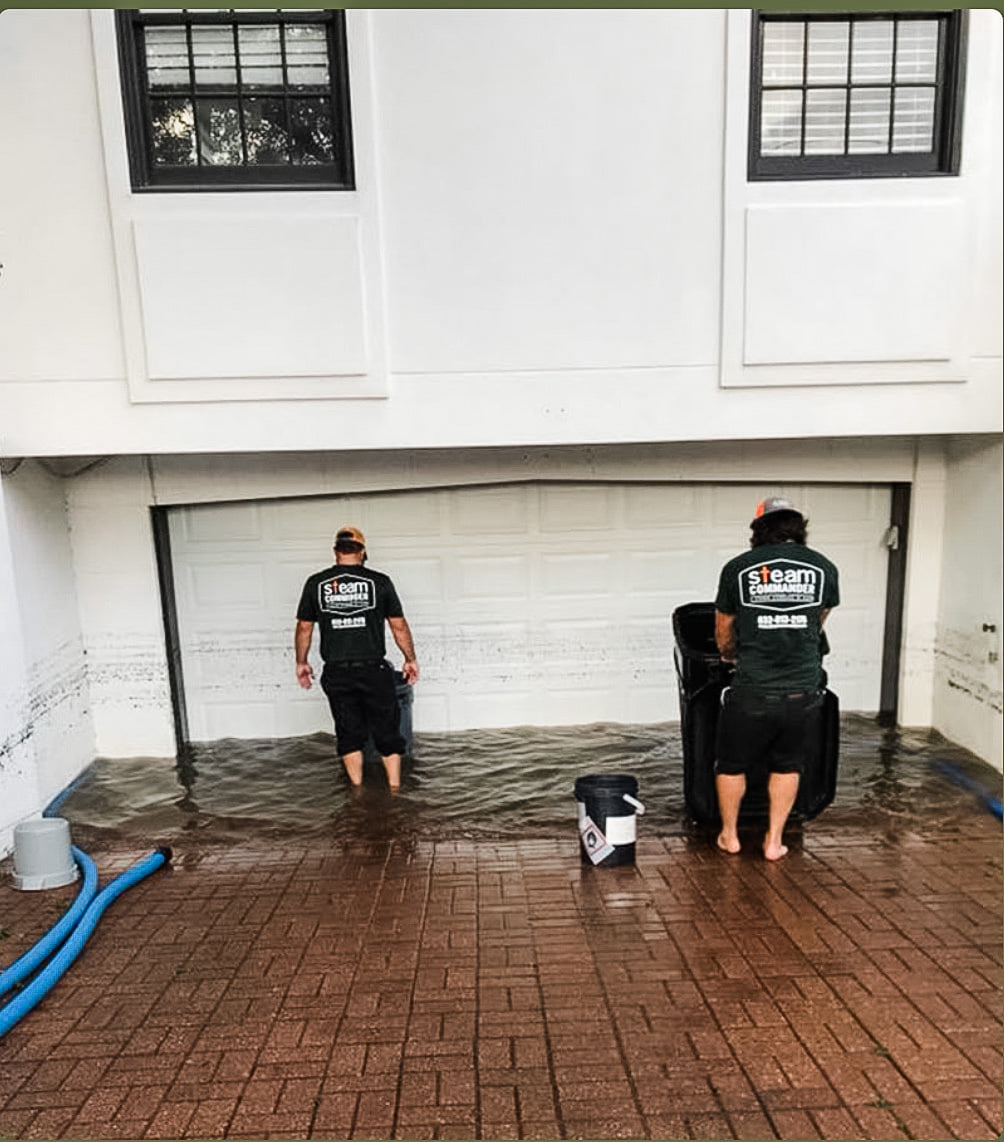
Water issues can happen for many reasons. Quick action is key. Steam Commander offers industry-leading water damage restoration in Houston. We handle everything from burst pipes to floods.
Moisture damage can be very harmful to homes. Steam Commander’s team follows a detailed process for fixing it:
- Moisture mapping and detection using specialized equipment
- Identification of vulnerable building materials
- Verification of complete structural drying
- Evaluation of drainage and airflow problems
- Detailed prevention recommendations for future protection
Our experts at Steam Commander find hidden moisture that homeowners often miss. This stops mold and damage. Our deep check-ups help avoid future water-related damage.
Acting fast can save a lot of money. Steam Commander tackles the seven main causes of wet damage. We fix the problem, not just the symptoms.
Call Steam Commander for quick help with water-related damage. Our Houston team works fast to start fixing your home. Don’t ignore moisture damage when protecting your home.
Conclusion
Knowing what causes water intrusion in homes helps you protect your property. Water-related damage can be very costly if not caught early. It can come from burst pipes, foundation cracks, and more.
Moisture damage starts small but can grow quickly. A small leak can increase your water bill. Regular checks of your home’s systems can help catch problems early.
Acting fast is key to preventing water-related damage. Whether it’s a burst pipe or slow leaks, quick action is essential. Keep an eye on your bills and fix problems right away to avoid costly damage.