
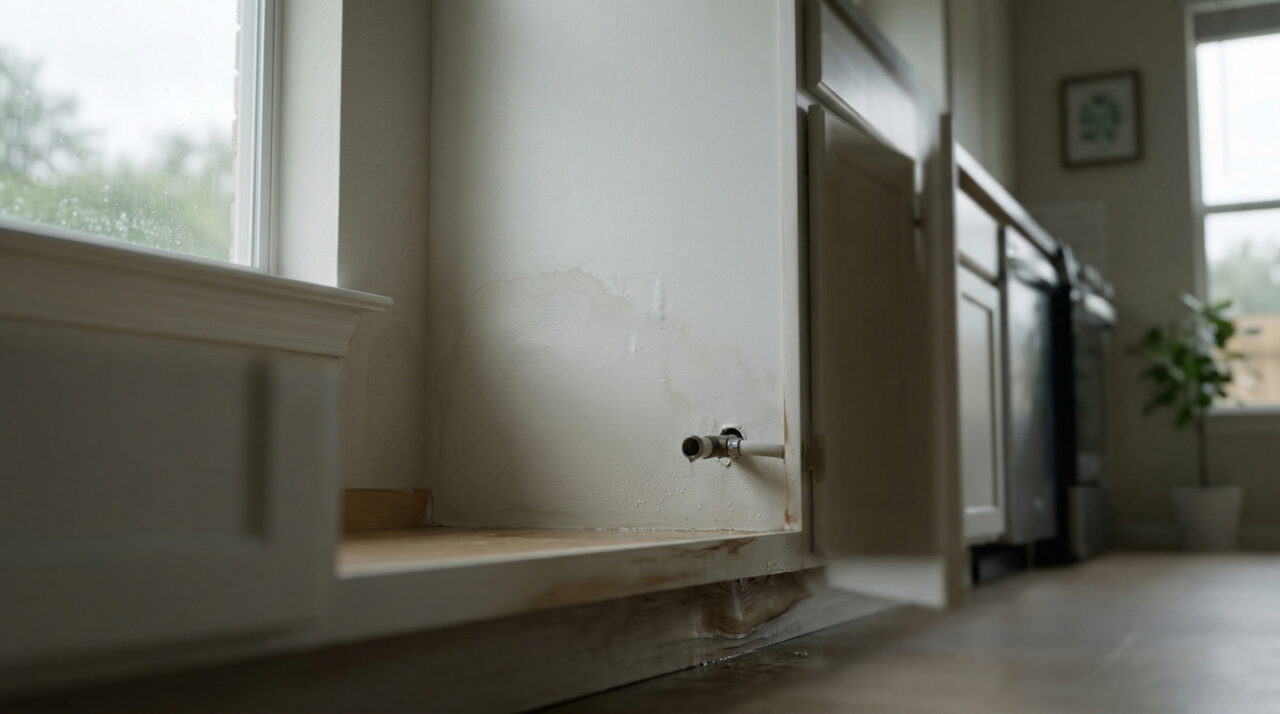
Water damage in Cypress doesn’t usually start with a flood. It starts with a smell under the sink you can’t quite place, or a ceiling stain that wasn’t there last month, or a water bill that’s crept up for no obvious reason. By the time most homeowners connect those dots, the problem has already had time to settle in.
It shows up quietly — in small signs that are easy to dismiss until the situation is too far along to ignore. By then, what might have been a straightforward repair has become something that touches your flooring, your walls, your air quality, and your budget.
This is one of the most common problems facing Cypress homeowners. And there are specific reasons why.
If you’re already seeing signs like this, it’s usually worth getting a professional opinion early—especially from a local award-winning team like Steam Commander that handles Water Damage Restoration and can quickly tell you how serious it is.
Key Takeaways
- Water damage in homes often starts small and goes unnoticed.
- Humidity and clay soil accelerate hidden damage and slab leaks.
- Plumbing, appliances, and HVAC are the most common sources.
- Mold can begin growing within 24–48 hours of moisture exposure.
- Early detection and fast action drastically reduce repair costs.
Why Cypress Homes Are Especially Vulnerable to Water Damage
Cypress isn’t like most of Texas. The humidity here is relentless — not just in August, but most of the year. That matters because moisture doesn’t need a dramatic event to cause serious problems. A slow drip inside a wall. A condensate line backing up for weeks. A hairline crack in a supply line. In a drier climate, you might have more time. Here, mold growth can take hold within 24 to 48 hours of a water event. That window closes fast.
Then there’s the soil. The Houston area sits on expansive clay that moves — swelling when wet, contracting when dry. Over years, that constant shifting puts real stress on underground plumbing and on the slabs most Cypress homes rest on. Slab leaks are more common here than homeowners expect, and they’re particularly difficult to catch because the water moves beneath your foundation before you ever notice a stain on the floor or a spike in your water bill. In neighborhoods like Bridgeland, Towne Lake, and Cypress Creek Lakes — where slab foundations are standard — we see this kind of underground pipe stress show up more often than homeowners expect.
A large portion of Cypress was developed in the 1980s and 1990s. Homes in areas like Fairfield and Copperfield, built during that expansion period, are now hitting the age where appliance failures and plumbing wear become more common.
That’s not a problem on its own, but it means the plumbing systems, water heaters, and appliances in many of these houses are now 25 to 40 years old — all aging on roughly the same timeline. A water heater at the end of its lifespan. Pipes that haven’t been inspected in a decade. Washing machine hoses installed when the home was new. The exposure from that kind of deferred maintenance is real.
And then there’s the weather. Cypress gets significant rainfall, and the flat terrain doesn’t help drainage move quickly. After a heavy rain, water pools. It finds its way against foundations, through compromised roof areas, and into places it has no business being. We often see pooling and drainage issues in parts of Cypress like Coles Crossing and Longwood, where water can collect near foundations if grading has shifted over time.
None of this is meant to alarm. It’s context. Understanding why your home carries certain risks is the first step toward knowing what to watch for — and when to call someone who can help.
The Most Common Sources of Water Damage Inside Your Home
Plumbing System Failures
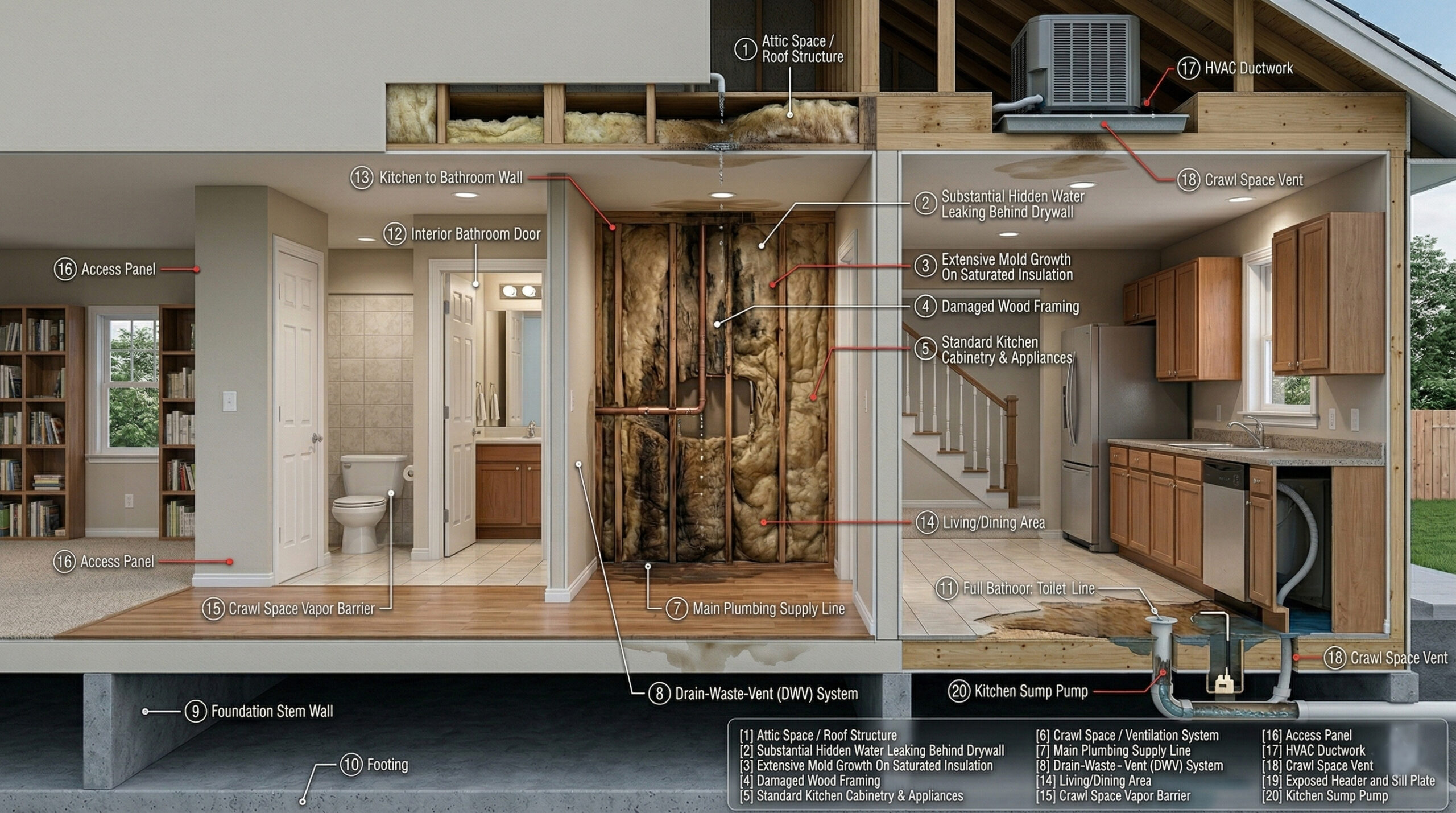
Plumbing failures account for a large share of home water damage, and they’re frustrating precisely because so much of your plumbing is out of sight — inside walls, under slabs, behind cabinets. You can’t see it aging.
Older pipes are the most frequent offender. Galvanized steel corrodes from the inside out over decades. Copper holds up better but isn’t immune to pinhole leaks, especially in homes with aggressive water chemistry. High water pressure compounds the problem, putting constant stress on every joint, fitting, and connection in the system. Most homeowners have no idea what their water pressure is running at.
The damage profile depends on how the failure happens. A pipe that bursts can release a large amount of water in minutes. A slow leak behind drywall can drip for weeks, saturating insulation and framing long before a stain appears on the surface. Both are serious. The slow ones are often worse by the time they’re found.
For slab homes — which covers most of Cypress — there’s an added concern. Slab leaks develop when pipes running beneath the foundation crack or corrode. The water migrates along the slab, wicks up through flooring, or works into the foundation itself. Unexplained wet spots, warm patches on tile, a water bill that keeps climbing — none of these should be written off.
Regular plumbing inspection isn’t something most homeowners schedule on their own. Taking a proactive approach — especially in older homes — can prevent small issues from turning into major repairs. It’s also one of the more cost-effective things you can do. If something feels off and you’re not sure what you’re looking at, a water damage professional can tell you quickly whether it warrants further investigation.
Appliance Leaks and Failures
Appliances don’t fail all at once. They degrade. Over time, normal wear and tear on hoses, seals, and connections increases the risk of failure. The water damage they cause tends to follow the same pattern — slow, hidden, and discovered only after something is already ruined.
Washing machines are a straightforward example. The supply hoses connecting them to the water line are under constant pressure. Over time, those hoses stiffen, crack, and fail. A burst hose can discharge a large amount of water before anyone notices — and hoses that came with the home and have never been replaced are a real liability.
Dishwashers cause problems at the door seal and drain line. A failing seal lets water escape with every cycle, pooling under the unit and working into the subfloor. Because the leak is slow and contained under cabinetry, it can go undetected long enough to damage the flooring and framing below.
Water heaters deserve their own attention. Tank models corrode from the inside, and once corrosion reaches the outer wall, failure can be rapid. The average lifespan is 8 to 12 years. In a home built in the 1990s, that appliance may have been replaced once — or never. Rust around the base, rumbling sounds during heating cycles, inconsistent hot water. These aren’t quirks. They’re warnings.
Refrigerators with ice makers get overlooked entirely. The supply line running from the wall to the back of the unit is small, often plastic, and prone to cracking or loosening over time. Because the refrigerator sits flush against the wall, the leak goes unnoticed until water stains appear on the floor or the ceiling below.
Time and use — that’s the common thread. These aren’t manufacturing defects. Knowing the age of your appliances and watching for early signals is the most practical form of prevention available.
Drain and Toilet Backups
A clogged drain is easy to write off. Usually it is minor. But when a clog is severe enough — or in the wrong part of the system — it doesn’t just slow things down. It sends water backward.
Toilet overflows are one of the more common sources of water damage on upper floors. One event can push enough water through the subfloor to damage the ceiling below, requiring repairs on both levels. The cause is almost always a clog, often one that gave warning signs beforehand.
Sewer line backups are a different problem entirely. When the main line is blocked or damaged, sewage can back up through floor drains, toilets, and tub drains. This isn’t just a water problem — contaminated water entering the living space requires professional cleanup, not a DIY response. In Cypress, that risk increases during and after heavy rain, when saturated ground puts added pressure on aging sewer infrastructure.
The warning signs tend to show up in patterns, not just one isolated issue.
You might notice:
• multiple drains slowing down at the same time
• gurgling sounds when you flush or run water
• a sewage odor that doesn’t have a clear source
These aren’t small inconveniences. They usually point to a larger issue in the system.
In Cypress, the risk can increase during and after heavy rain, when saturated ground puts extra pressure on aging sewer lines. What might have been manageable under normal conditions can escalate quickly.
Roof and Exterior Water Intrusion
Not all water damage starts inside the house. A fair amount works its way in from outside, usually during or after a storm, through entry points that weren’t obvious until something gave way.
A damaged or aging roof is the most direct culprit. Missing shingles, cracked flashing around vents and chimneys, worn underlayment — all of these create paths for water to enter during heavy rain. The damage doesn’t always appear directly below the breach. Water travels along rafters before dropping, which is why a ceiling stain rarely tells you exactly where the roof problem is.
Gutters matter more than most homeowners realize. Clogged gutters overflow and push water toward the foundation instead of away from it. Gutters that are poorly pitched pool water and eventually pull away from the fascia. Either way, water ends up collecting against the house — working into the foundation, the siding, or both.
Window and door seals fail quietly. In a driving rain, even a small gap lets water in steadily. The evidence shows up as staining near frames or paint that blisters along the trim. Easy to miss. Easy to blame on something else.
For slab homes in Cypress, exterior drainage deserves attention. Lots that slope toward the house, or that have settled and created low spots near the foundation, allow water to collect against the slab after a heavy rain. That water finds its way in.
In some homes, especially those prone to pooling, installing a sump pump can help redirect water away from the foundation during heavy rain.
Storm damage here rarely involves just one entry point. A significant weather event can compromise the roof, overwhelm the gutters, and saturate the soil simultaneously — which is part of why the aftermath sometimes seems disproportionate to what the storm appeared to be.
HVAC and Condensate Line Issues
Most homeowners are surprised to learn this one. The air conditioning system — not a pipe, not an appliance, not the roof — ranks among the more common sources of interior water damage in Cypress, and it rarely gets the attention it deserves.
Here’s what happens. Air conditioners pull humidity out of the air as they cool it, and that moisture collects in a drain pan before exiting through a condensate drain line. In Cypress, where AC systems run hard from spring through fall and handle a heavy humidity load, those lines move a significant amount of water over the course of a season. When the line clogs — algae, debris, sediment — water backs up, overflows the pan, and ends up somewhere it shouldn’t be.
The result is usually a water stain near a ceiling vent or the air handler unit. Left unaddressed, that moisture sits in the ceiling cavity long enough to create conditions for mold growth. Because most homeowners don’t associate a ceiling stain with their AC system, the actual source keeps going while attention goes elsewhere.
The fix is simple. The damage from skipping it is not. Having the condensate drain flushed as part of routine AC maintenance — especially before the heavy season — is a small task with outsized consequences when it gets skipped.
What Happens When Water Damage Goes Untreated
Most homeowners underestimate how fast water damage escalates. The instinct is to think: it’s a small stain, it’s a slow drip, it probably isn’t that serious yet. Sometimes that’s right. Often it isn’t.
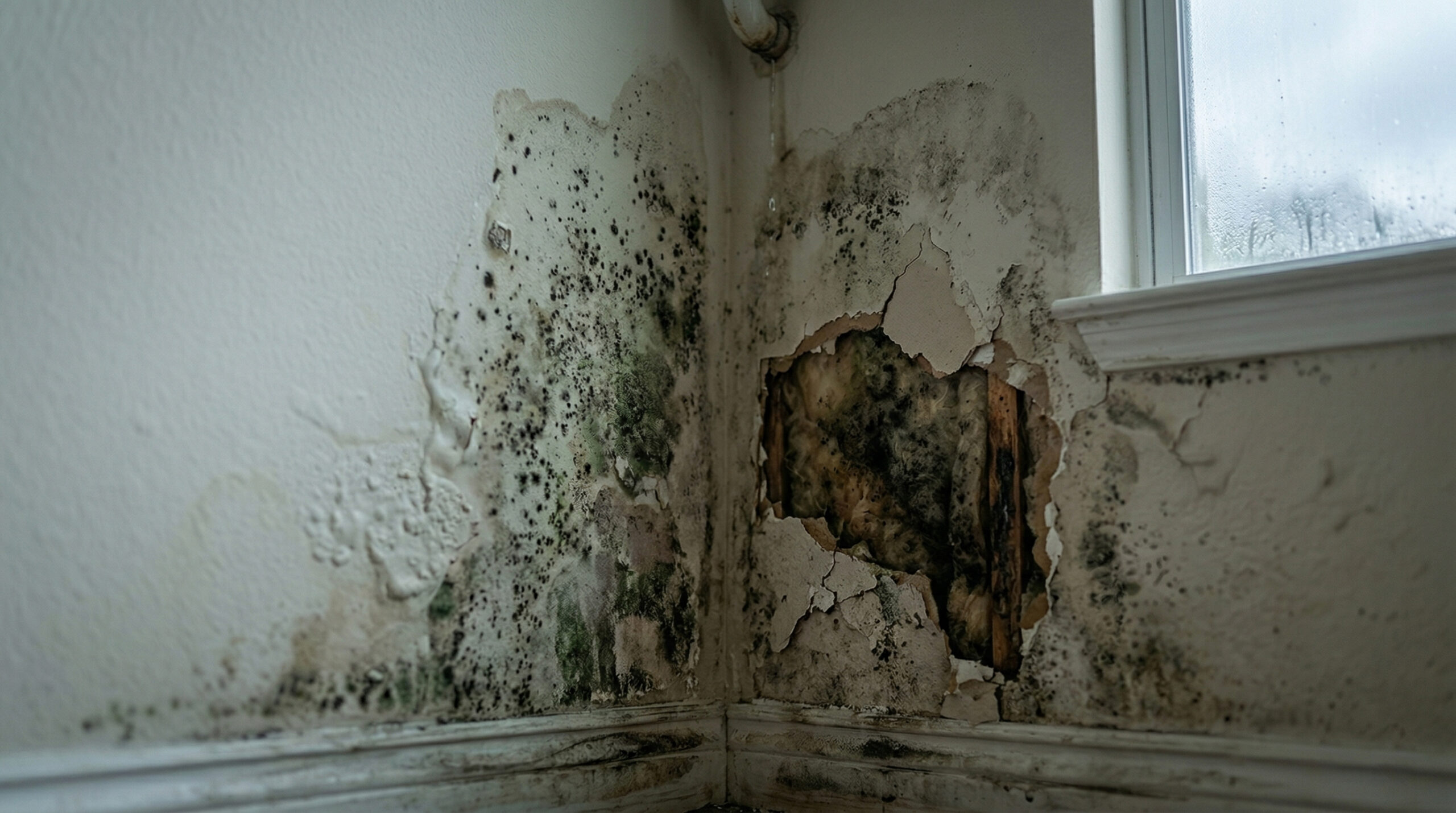
In Cypress’s climate, damage and mold growth can begin within 24 to 48 hours of a water event. That’s not a worst-case estimate — it’s the realistic timeline in a humid environment. Once mold establishes itself inside a wall cavity or under flooring, you’re dealing with remediation layered on top of water damage repair. Two problems where there was one.
Structural damage follows a longer arc, but it adds up quickly. Wet drywall starts to weaken. Subflooring begins to swell. Wood framing holds moisture longer than you’d expect.
Over time, that turns into:
• soft or unstable flooring
• walls that lose structure
• materials that never fully dry out
• repairs that expand beyond the original problem
What starts as fixing a source turns into fixing everything the water touched while it sat there.
Insurance adds its own complexity. Most homeowner’s policies in Texas require prompt reporting and prompt mitigation after a water event. A gap between when damage occurred and when it was reported can create friction at claim time — sometimes a reduced payout, sometimes a dispute about what’s covered.
Water damage caught in the first hours is a fundamentally different problem than water damage found days later. The cost difference is real. The disruption difference is real.
If you’re looking at something now and you’re not sure how serious it is, don’t sit on it. A call to Steam Commander at (832) 813-2175 can tell you within minutes whether you’re dealing with something minor or something that needs attention today.
How Cypress Homeowners Can Reduce the Risk
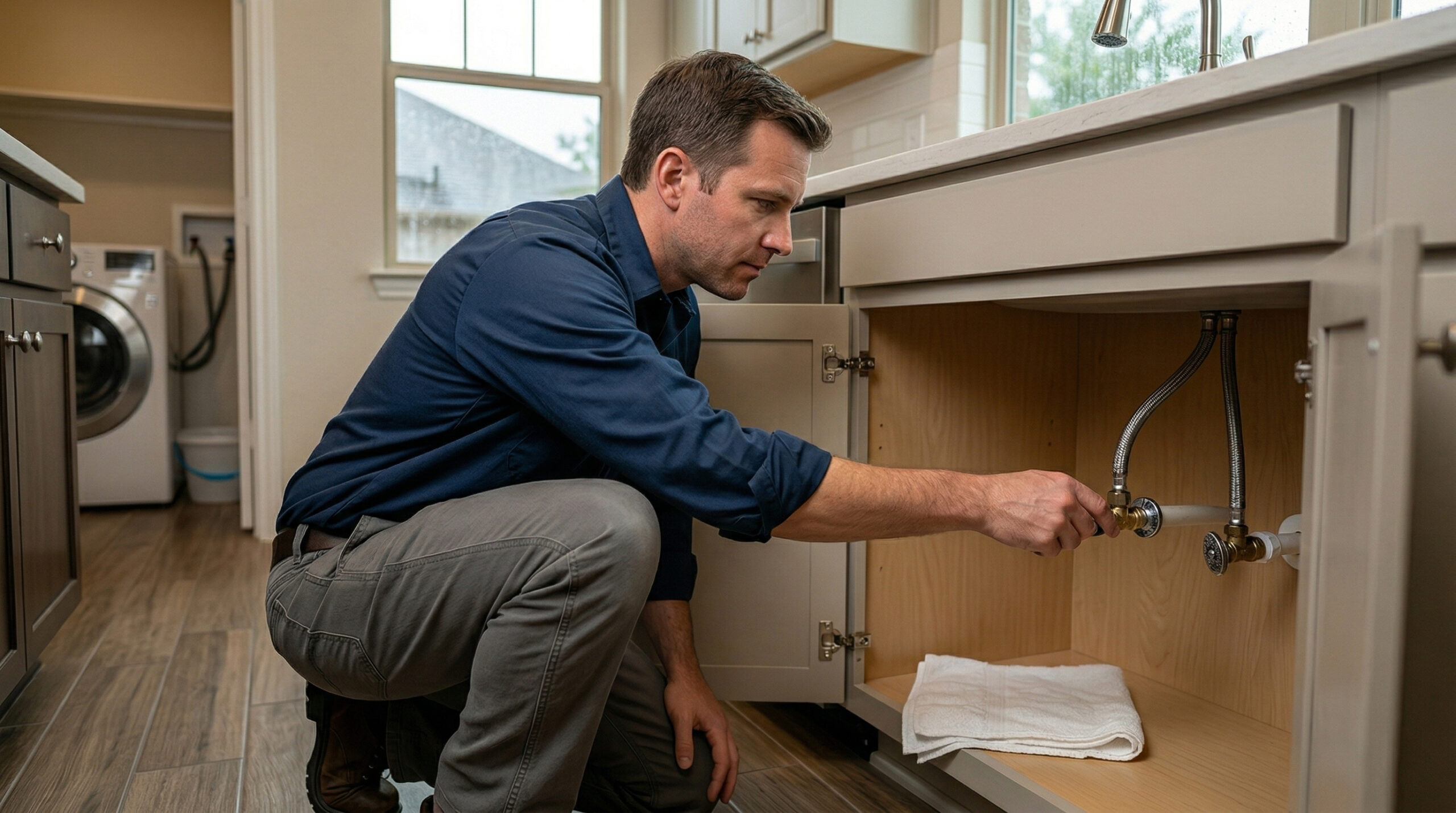
Preventive steps don’t require a renovation. Most of the steps that actually make a difference are inexpensive and within reach of any homeowner.
Know where your main shutoff is. In a water emergency, reaching that valve quickly limits how much enters the home. If you’re not sure where it is or haven’t confirmed it works recently, find it now.
Replace washing machine hoses every five years — whether they look fine or not. Braided stainless steel hoses are more reliable than rubber and worth the upgrade.
Get your water heater inspected if it’s approaching 10 years old. Rust at the base, rumbling during heating cycles, inconsistent hot water — these are signs worth acting on before the tank fails.
Schedule a plumbing inspection if your home is over 20 years old. A professional can find problems that haven’t shown symptoms yet. Water leak detection is the kind of service that pays for itself when it catches something before it becomes a damage event.
Keep gutters clear and confirm that drainage moves away from the foundation. After heavy rain, walk the perimeter and note anywhere water is pooling near the structure.
Have the AC condensate drain flushed annually. Ask your HVAC technician to include it in routine maintenance before summer starts.
Don’t dismiss early signals. A water stain. An odor that comes and goes. A drain that’s slower than it used to be. A water bill that climbed without explanation. These are the home telling you something. Catching issues early is almost always less expensive than responding after they’ve developed.
Steam Commander works with homeowners across Cypress to assess water damage risks and respond when something goes wrong. If you’d like a professional inspection or you’re not sure what you’re looking at, reach out — it’s a straightforward conversation and usually a short one.
When to Call a Water Damage Restoration Company
Some water situations are manageable on your own. A small contained spill. A slow leak you caught and stopped right away. Most water events in a home, though, benefit from professional assessment — and some require it.
If you’re dealing with water from a sewer backup or a toilet overflow involving sewage, that’s where DIY ends. Contaminated water in a living space is a health issue. It needs proper equipment and trained handling, not a mop and disinfectant.
Visible water stains you can’t explain, soft spots in flooring, a persistent odor without an obvious source, any sign of mold growth — don’t troubleshoot these on your own. What’s visible usually understates what’s happening behind the surface. A professional assessment gives you the actual picture.
If you’ve had a significant water event — an appliance failure, a pipe that let go, substantial storm damage — get it assessed fast. The 24 to 48 hour mold window is real. Acting in the first few hours is a meaningfully different situation than waiting until the next day.
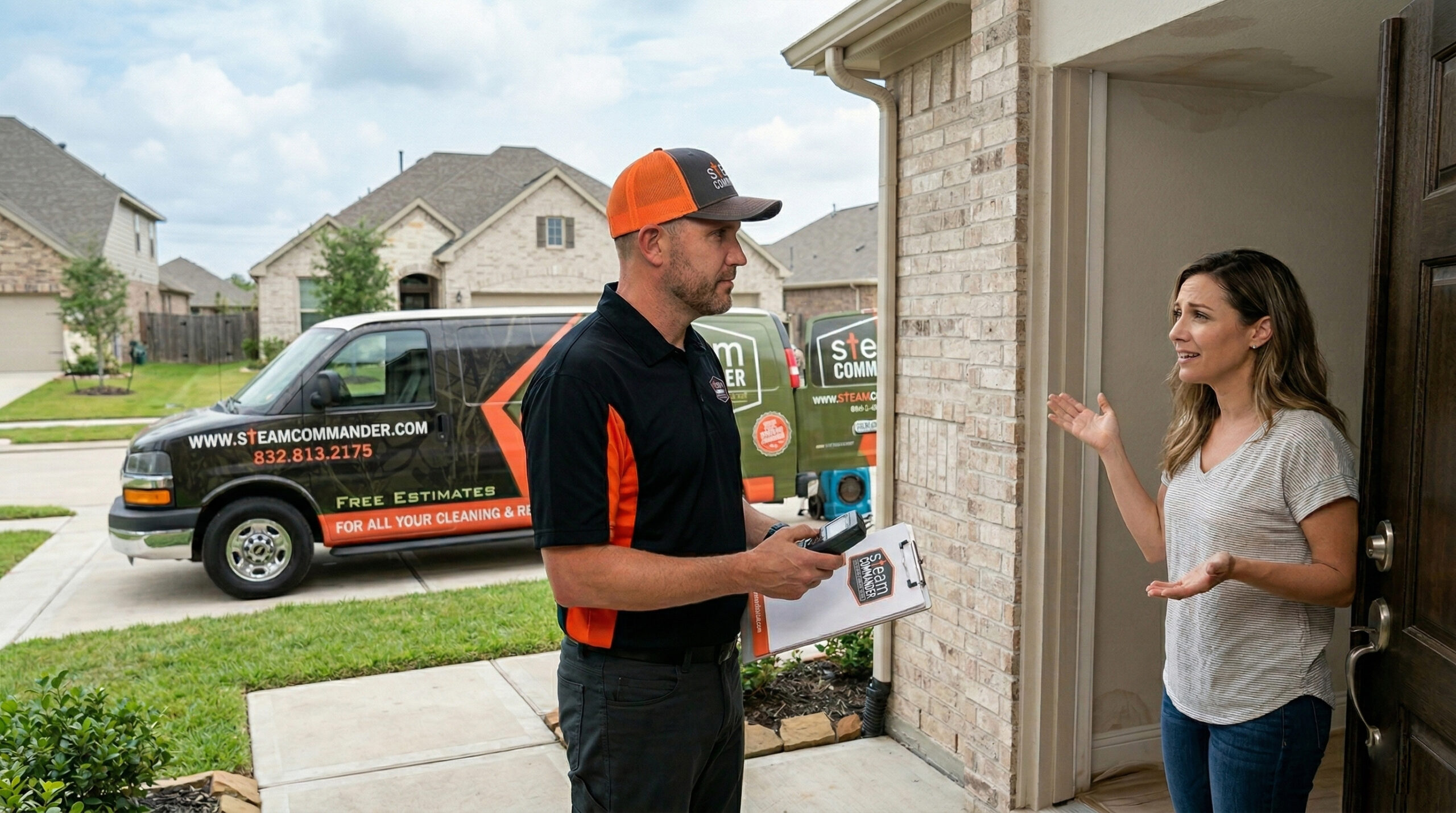
Steam Commander serves Cypress and the surrounding area with water damage restoration, cleanup, and fast response when it matters. We respond to calls across Cypress — from Bridgeland and Towne Lake to Fairfield and Cypress Creek Lakes — usually within the same day.
Call (832) 813-2175 — we’ll tell you honestly what you’re dealing with and what it’s going to take to fix it. No runaround, no upsell, just a straight answer.
Frequently Asked Questions
How do I know if I have a hidden water leak in my home?
The most common signs are unexplained increases in your water bill, water stains on walls or ceilings without a clear source, soft or discolored spots on flooring, and the sound of running water when everything in the house is off. A professional water leak detection inspection can find leaks that haven’t shown visible symptoms yet.
How quickly can mold grow after water damage?
In Cypress’s climate, mold growth can begin within 24 to 48 hours of a water event. This is one of the main reasons speed matters — the longer water sits, the more likely mold becomes part of the problem alongside the original damage.
Does homeowner’s insurance cover water damage in Texas?
It depends on the cause and the policy. Sudden accidental damage — like a burst pipe — is generally covered. Flood damage typically requires separate flood insurance. Gradual leaks that could have been caught with regular maintenance are often excluded. Review your specific policy and report any water event promptly, since delayed reporting can affect your claim.
What’s the difference between water damage repair and water damage restoration?
Repair addresses the source — the pipe, the appliance, the roof. Restoration covers what the water did after the event: drying out the structure, removing damaged materials, addressing mold risk, and returning the home to its pre-loss condition. After a significant water event, both are usually part of the process.
How do I find a slab leak in a Cypress home?
Signs include warm spots on tile floors, unexplained moisture on flooring, a water bill that keeps rising, or the sound of running water when all fixtures are off. Because the breach is beneath the foundation, detection requires specialized equipment. If you suspect a slab leak, get a professional inspection — the longer it goes unaddressed, the more damage accumulates.
What should I do immediately after discovering water damage?
Stop the source if you can — shut off water at the fixture or at the main shutoff. Move belongings out of the affected area. Photograph everything before cleanup begins. Contact your insurance company to understand your coverage and reporting requirements. Then call a restoration company quickly. The first few hours have an outsized effect on the overall outcome.
How much does water damage restoration cost in Cypress, TX?
Costs vary based on the size of the affected area, the water source, how long it sat, and whether mold remediation is needed. The biggest factor in keeping costs manageable is response time — damage addressed early is almost always less expensive than damage that’s been developing for days.
Can I clean up water damage myself, or do I need a professional?
Small, contained surface spills that dry completely within 24 hours can generally be handled without professional help. Anything beyond that — significant water volume, contaminated water, any involvement of walls, flooring, or ceiling cavities — warrants at minimum a professional assessment. Incomplete drying is how mold starts. In most cases, professional cleanup is the safer and more cost-effective call.