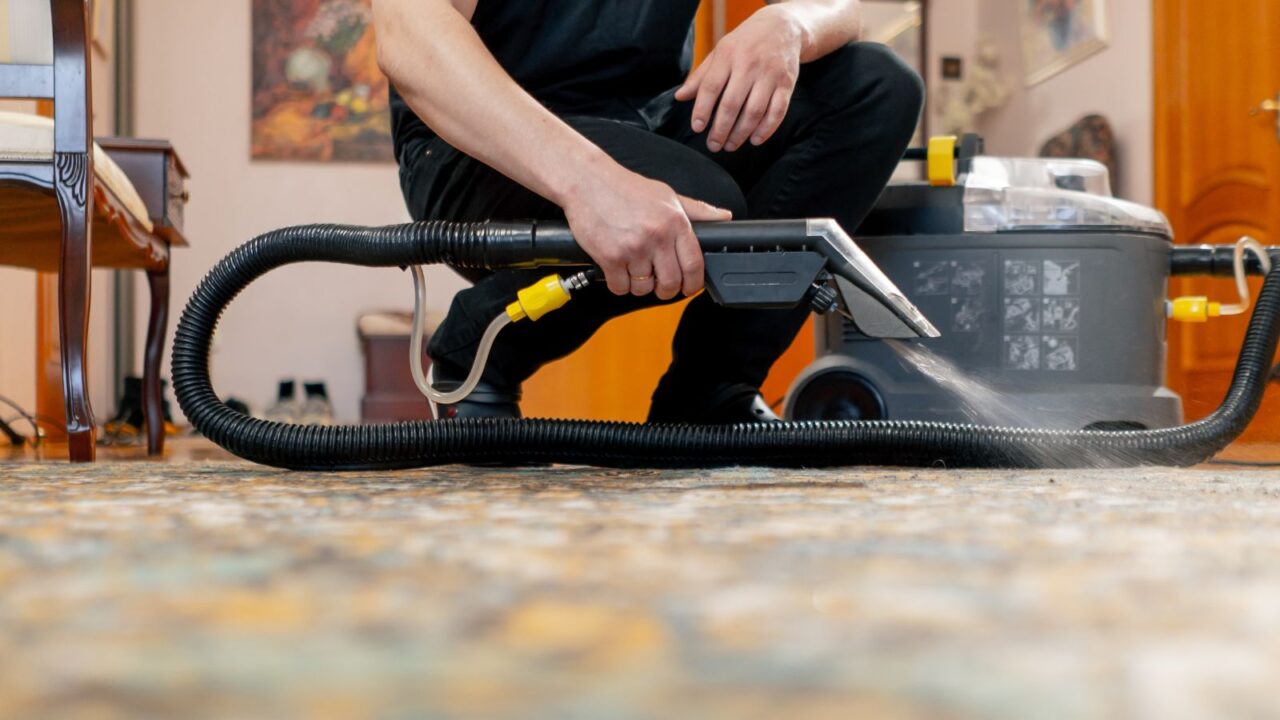
When water invades your home, you’re not alone in feeling overwhelmed. Millions of homeowners face dealing with water damage in their carpets every year, and the good news is that with the best water extractor methods, you can save your carpets and prevent costly replacement.
Whether you’re dealing with a burst pipe, flooding, or an appliance leak, understanding proper extraction techniques for water damage extraction can make the difference between salvaging your investment and starting over.
Key Takeaways
- Time is critical – You must begin extracting water within 24-48 hours to prevent permanent carpet damage and prevent mold growth
- Professional advanced equipment removes far more water than household vacuum cleaners, which often ends up leaving excess moisture behind — extracting only 20–30% compared to up to 95% with professional methods.
- Hot water extraction remains the most effective cleaning method for both water damage and routine carpet care maintenance deep within the carpet
- Different water categories require different safety protocols – clean water, gray water, and black water each demand specific handling approaches
- Dry the Carpet: Proper drying techniques prevent secondary damage, including mold, mildew, and odor that can develop in Houston’s humid climate
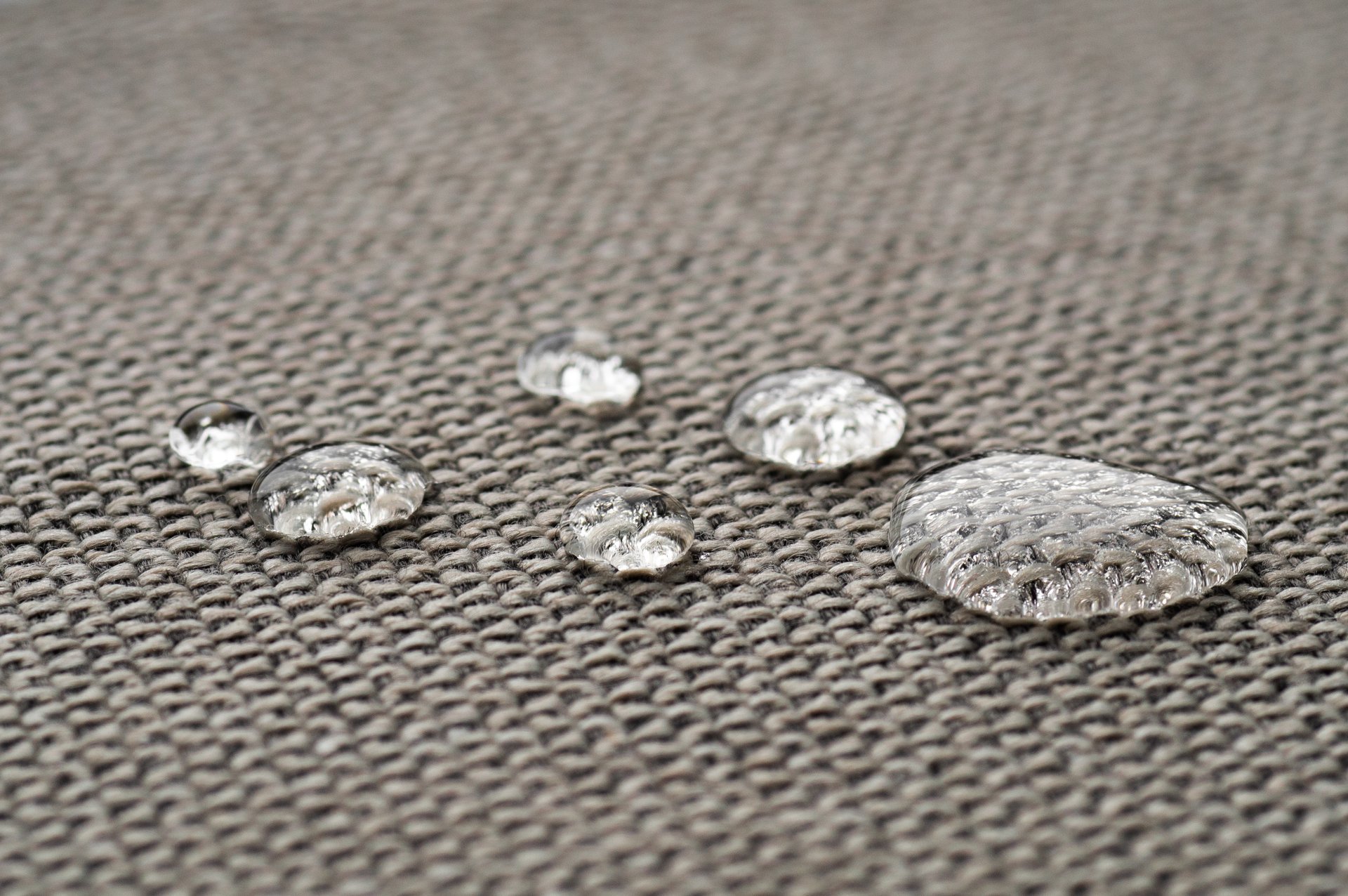
Understanding Water Categories and Mold and Mildew Growth
Not all water damage is created equal, and recognizing the difference between clean, gray, and black water contamination determines both your safety approach and restoration success. Understanding these categories helps you make informed decisions about professional intervention while protecting your family’s health during the water extractor process.
Water Extraction for Clear Water
Clean water damage represents the most manageable type of carpet flooding. This category includes a fresh water supply from supply lines, appliance malfunctions, or rainwater infiltration through windows and doors. When dealing with clean water on your carpet, you have the best chance of successful restoration without health risks.
The extraction process for clean water focuses on removing moisture quickly before it penetrates deep into wet carpet fibers and padding. Professional carpet cleaning companies like us at Steam Commander use specialized carpet extractors that can remove water from multiple layers simultaneously. Our machines apply controlled suction power that pulls moisture from the surface, through the carpet, and from the underlying pad.
For Houston homeowners, clean water scenarios often occur during heavy rainfall when windows leak or during winter months when pipes freeze and burst. The key advantage of clean water is that you can begin extraction immediately without safety concerns, and the carpet typically retains its original condition once properly dried.
Contamination Issues and Carpet Cleaning Methods for Grey, Dirty Water
Gray water presents moderate contamination risks and requires more careful handling than clean water extraction on the wet area. Common sources include washing machine overflows, dishwasher leaks, and sump pump failures – particularly common in Houston’s expansive clay soil conditions that can cause foundation shifting and plumbing stress.
When extracting gray water from wet carpet, safety protocols become essential to avoid the risk of mold and mildew. Always wear protective gloves and ensure adequate ventilation while working. The method to clean carpet must include antimicrobial treatment to eliminate potential bacteria and prevent future contamination issues.
Professional carpet restoration involves using hot water extraction, involves cleaning agents, and detergents specifically designed for contaminated water situations, as well as dirt and debris. Extractions are then contained in a recovery tank. At Steam Commander, we are an award-winning steam cleaning company that utilizes hospital-grade cleaning processes and solutions that neutralize gray water contamination while preserving carpet integrity.
Learn More: Does Water Damage Affect Carpet Padding?
Black Water Emergency Situations
Black water represents the most serious contamination category, requiring immediate professional intervention. Sewage backups during Houston storm events, toilet overflows, and contaminated flooding pose significant health hazards that necessitate specialized extraction equipment and rigorous safety procedures for carpet cleanings.
Never attempt DIY extraction or common carpet cleaning with black water contamination. Professional carpet cleaning methods have the necessary protective equipment, commercial-grade extractors, and antimicrobial treatments required for safe remediation. In many black water situations, carpet replacement becomes more cost-effective than restoration.
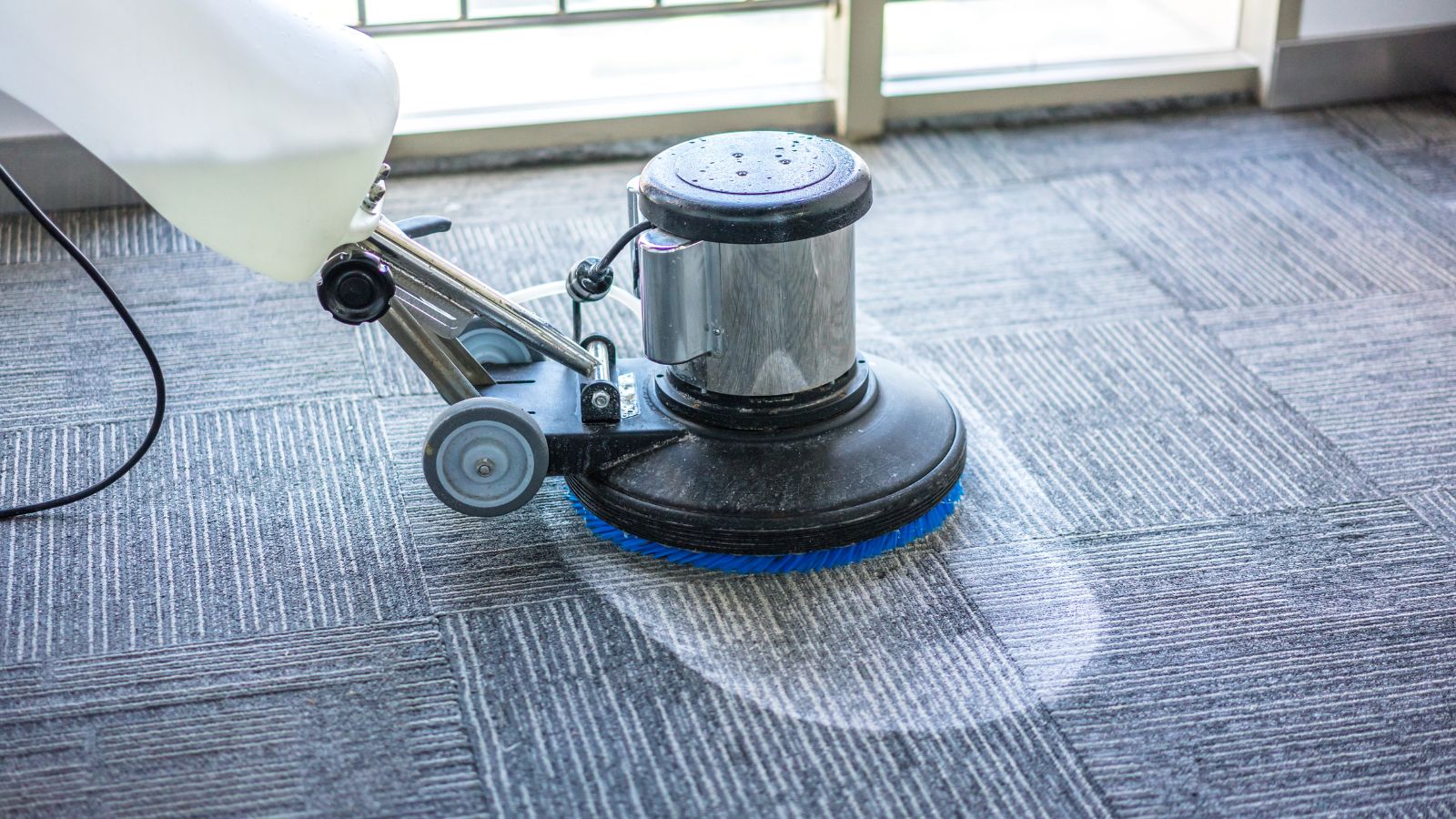
Professional Water Extraction Equipment and Carpet Cleaning Techniques
Professional water extraction equipment operates at power levels that far exceed anything available to homeowners, removing up to 95% of moisture compared to 20-30% achieved by household methods. The combination of truck-mounted systems, specialized portable units, and precision extraction tools creates a comprehensive approach, leaving carpets salvagable that would otherwise require replacement.
Truck-Mounted Extraction Systems to Clean Carpet
Truck-mounted carpet cleaning systems represent the gold standard for water extraction, delivering unmatched power and efficiency for Houston’s residential properties. These units generate incredible suction – often exceeding 500 CFM (cubic feet per minute) with water lift capabilities reaching 15+ inches of mercury.
The heat injection systems in truck-mounted units provide a significant advantage for extraction effectiveness. By injecting heated water or cleaning solution into the carpet and immediately extracting it, these systems remove significantly more moisture than cold water methods.
Professional Equipment Comparison Table:
| Equipment Type | Water Lift | CFM | Heat Capability | Coverage Rate |
| Truck-Mounted | 15+ in Hg | 500+ | Up to 220°F | 2000+ sq ft/hour |
| Large Portable | 100-120 in Hg | 100-150 | Up to 200°F | 800-1200 sq ft/hour |
| Small Portable | 80-100 in Hg | 75-100 | Variable | 400-600 sq ft/hour |
| Consumer Rental | 60-80 in Hg | 50-75 | Limited | 200-400 sq ft/hour |
Portable Extraction Units and Hot Water Extraction Carpet Cleaning
Portable extractors serve essential roles in Houston’s diverse housing landscape, particularly for apartment complexes and high-rise buildings where truck access presents challenges for damp carpet and water extraction situations. These units bring professional-grade extraction capabilities directly to areas that truck-mounted systems cannot reach.
We at Steam Commander utilize high-performance portable extractors for situations where truck-mounted access is impossible. These units typically feature large-capacity tanks, reducing the frequency of emptying and refilling operations.
Specialized Extraction Tools
The effectiveness of any extractor depends heavily on the tools and attachments used for actual water removal. Carpet wands represent the primary interface between extraction equipment and your flooring, and their design significantly impacts moisture removal efficiency.
Professional carpet wands feature wide cleaning paths, multiple vacuum slots, and adjustable pressure settings that allow technicians to optimize extraction for different situations. Sub-surface extraction tools provide another critical capability for water damage restoration, potentially saving significant restoration costs.
Step-by-Step Professional Extraction Process
Successful carpet water extraction follows a systematic approach that begins with thorough assessment and progresses through multiple phases of moisture and excess water removal for a faster drying setup. Professional technicians use proven protocols that maximize water removal while minimizing secondary damage, ensuring the best possible outcome for your clean carpet restoration investment.
Inspect the Carpet: Initial Assessment and Preparation
Before beginning any water extraction, hiring a professional for an assessment determines the scope and approach for restoration. This evaluation includes moisture mapping using thermal imaging cameras and moisture meters to identify all affected areas, including hidden moisture in walls and subflooring.
Furniture protection represents a critical preparation step that homeowners often overlook. Professional services place protective blocks under furniture legs to prevent staining and use plastic sheeting to protect belongings during the extraction process.
Documentation during the assessment phase proves invaluable for insurance claims common with Houston water damage situations. Professional services photograph affected areas, record moisture readings, and create detailed reports that insurance adjusters require for claim processing.
Minimize Damage: Primary Water Removal Phase
The primary extraction phase focuses on removing standing water and surface moisture as quickly as possible. Professional technicians begin with the most severely affected areas, using high-powered extractors to remove bulk water before it can penetrate deeper into carpet backing and padding.
Essential Extraction Steps:
- Remove standing water using truck-mounted or large portable extractors
- Apply pre-treatment solutions to break down contaminants
- Perform multiple extraction passes in overlapping patterns
- Monitor moisture levels using professional-grade meters
- Adjust equipment settings based on carpet type and contamination level
- Document progress for quality control and insurance purposes
Real-time moisture monitoring guides the extraction process, with technicians checking moisture levels frequently to ensure adequate water removal. Professional equipment includes moisture meters specifically designed for carpet assessment, providing accurate readings that determine when extraction is complete.
Deep Extraction, Drying Setup and Air Movers
Deep extraction represents the final mechanical water removal phase before transitioning to evaporative drying. This process involves multiple passes with extraction equipment, often using different tools and the right techniques to access moisture in various carpet layers.
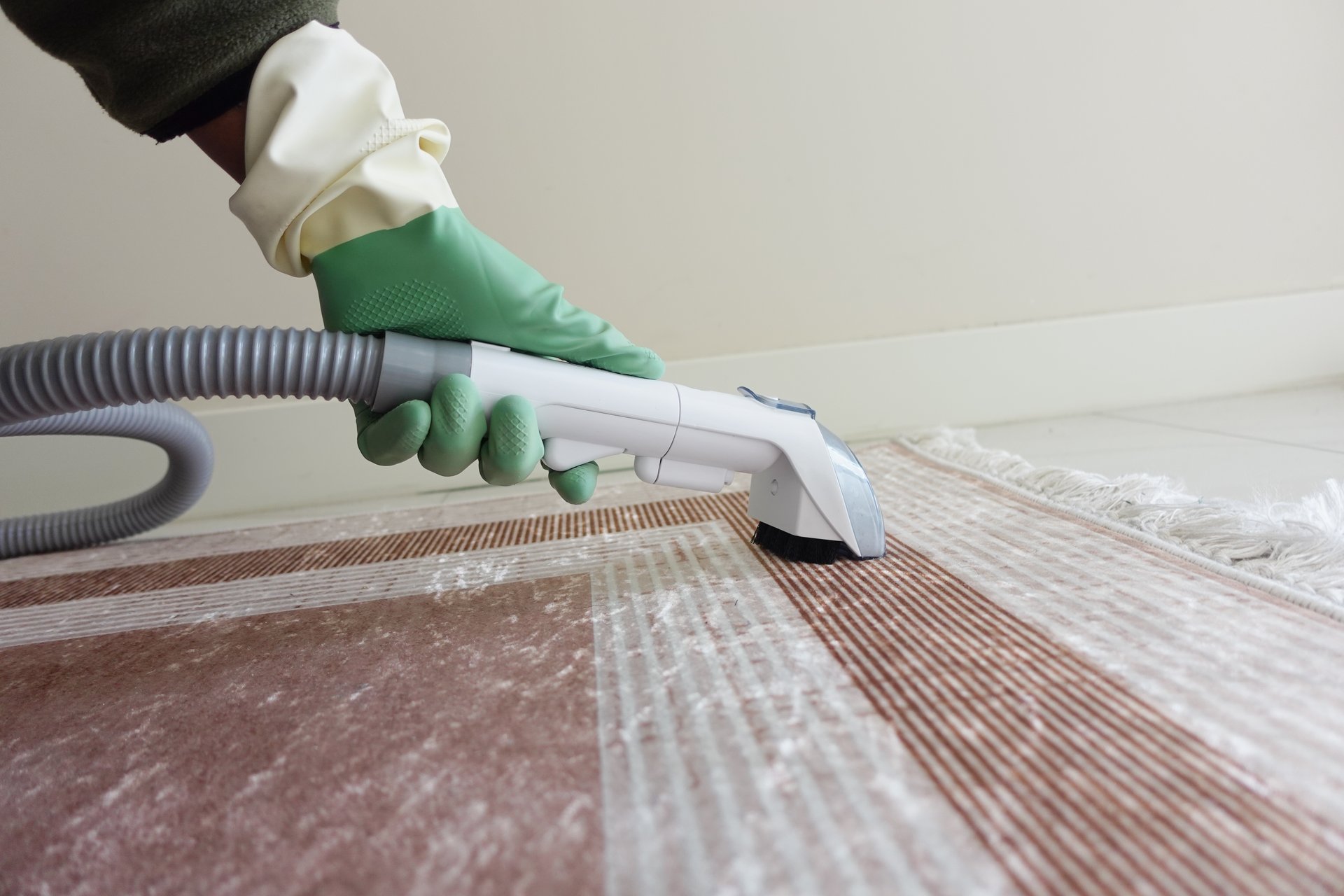
Once water extraction is complete, professional carpet cleaning techniques become essential for full restoration. Hot water extraction carpet cleaning follows the moisture removal process, injecting a heated cleaning solution with crystallizing polymers deep into carpet fibers to remove any remaining soil and contaminants. The best carpet cleaning method combines powerful suction with specialized cleaning agents that sanitize and deodorize the carpet while ensuring complete moisture removal. Professional carpet cleaning techniques also include encapsulation, a low-moisture cleaning method that encapsulate remaining particles, making them easier to vacuum and preventing re-soiling of the restored carpet. These low-moisture methods create less disruption and reduce the risk of damage.
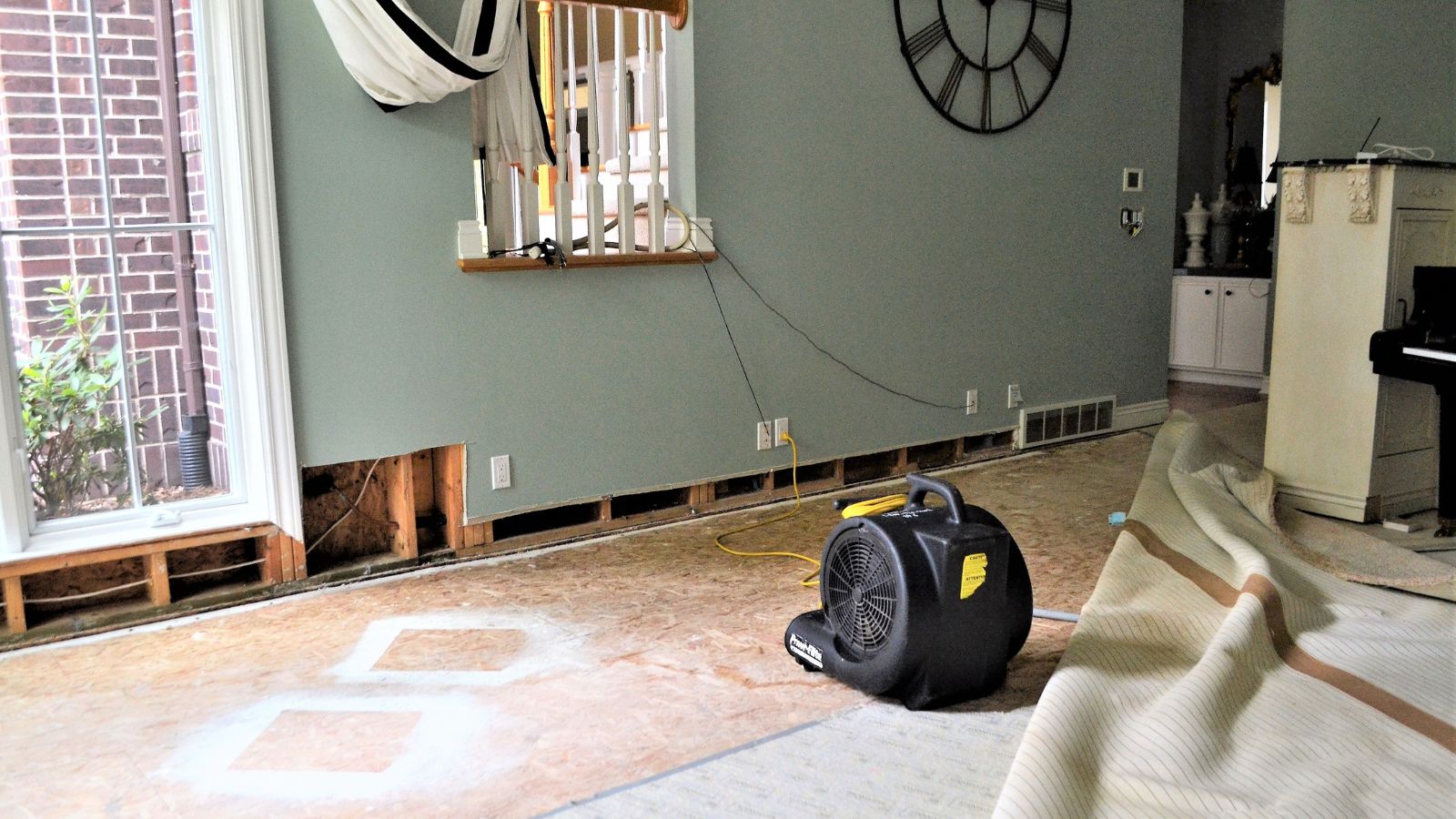
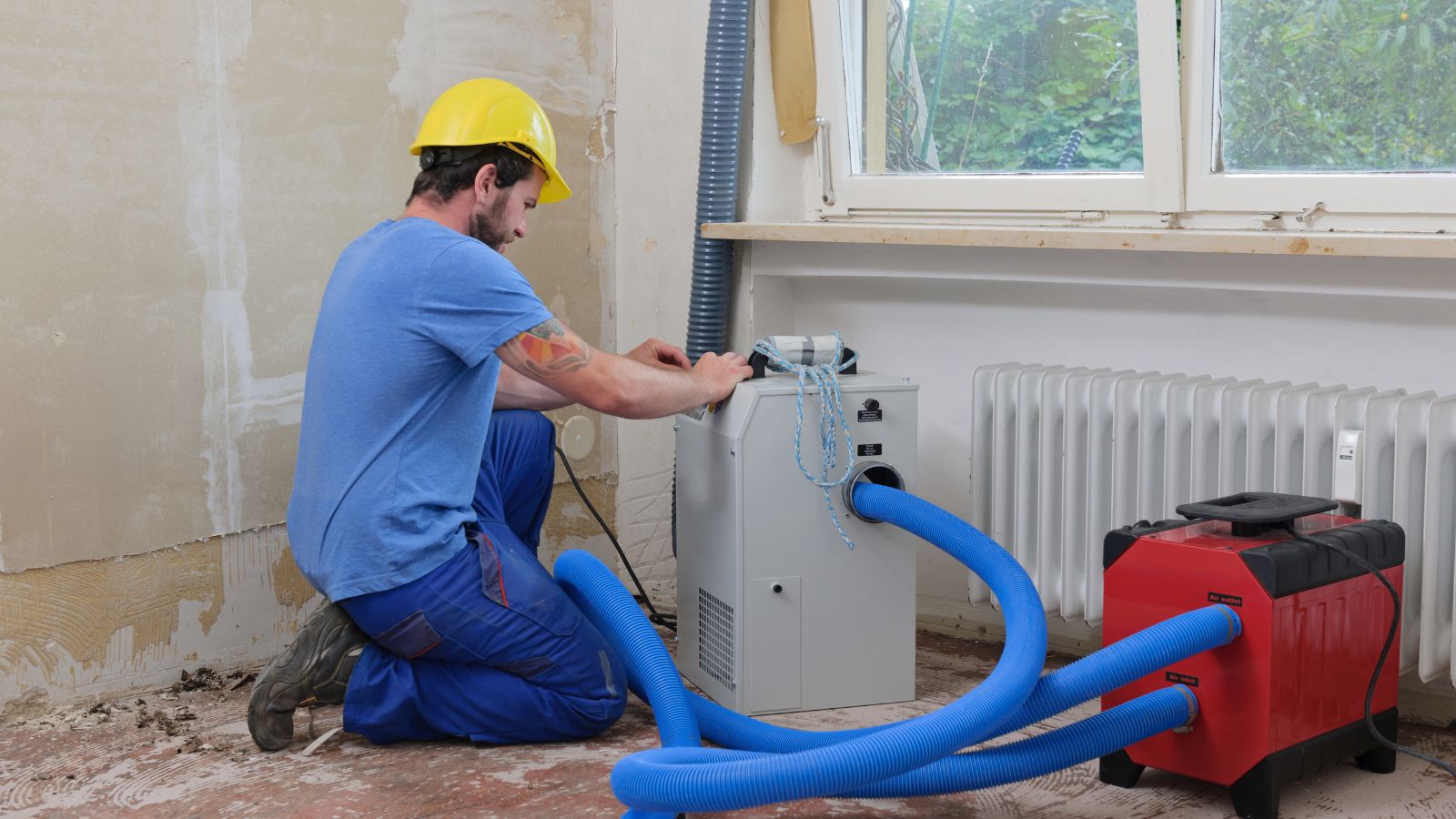
Air movement and dehumidification setup follows immediately after mechanical extraction, particularly crucial in Houston’s humid climate where ambient moisture can slow drying and promote mold growth. Professional services position air movers to create optimal airflow patterns across carpet surfaces while dehumidifiers reduce ambient humidity levels.
DIY Water Extraction Methods and Limitations
While professional extraction provides the best results, understanding available DIY options helps you respond immediately to water emergencies and make informed decisions about when to call for help. Rental equipment and household tools offer limited effectiveness but can provide crucial initial response until professional services arrive, especially during Houston’s busy storm season.
Household Extraction and Encapsulation Techniques
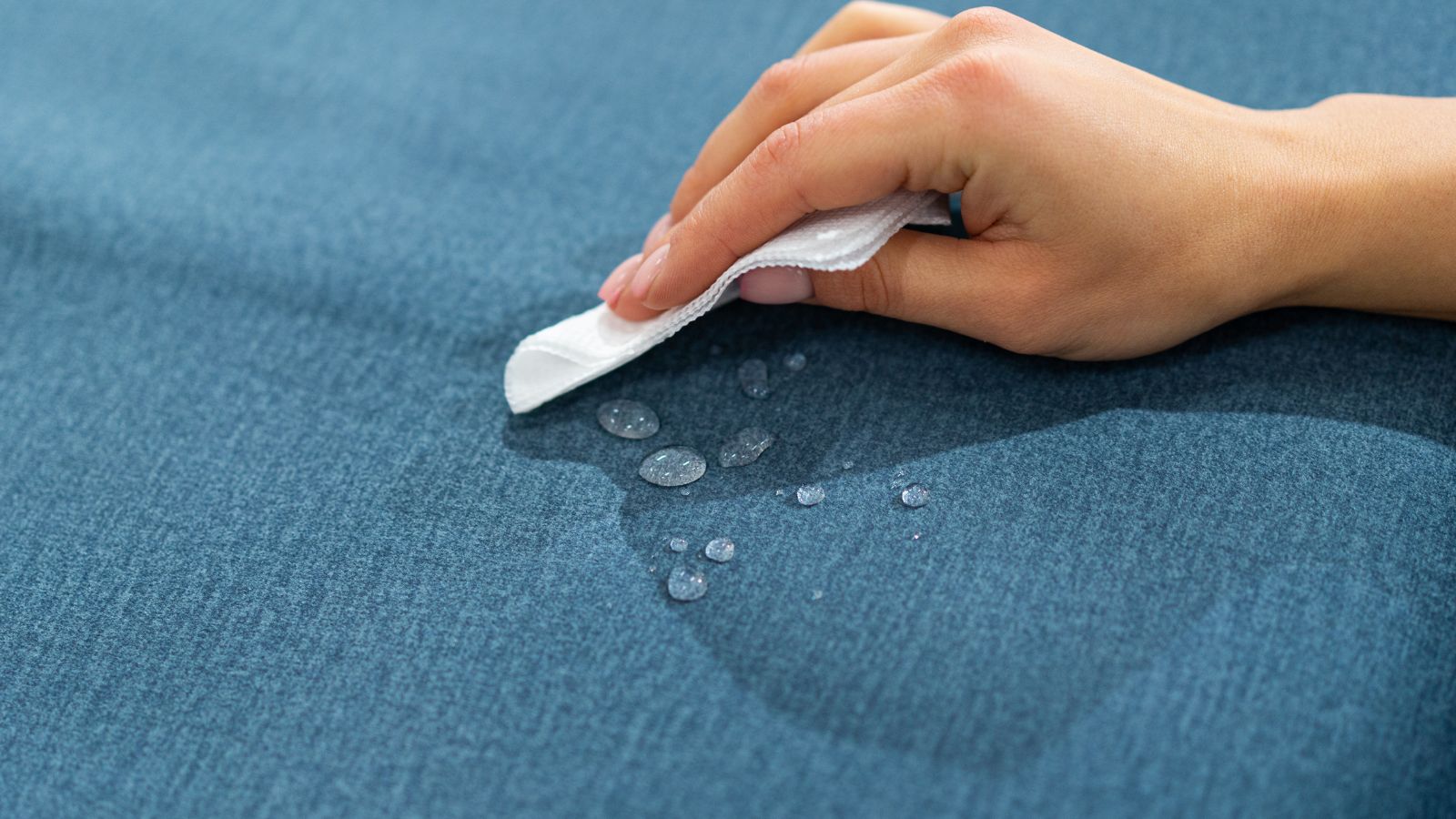
Standard wet/dry vacuums represent the most commonly available household tool for emergency water extraction. While these units cannot match professional extractor performance, they provide immediate water removal capability when professional service is unavailable.
The key limitation of household vacs involves their design focus on debris removal rather than moisture extraction. However, they can remove standing water from carpet surfaces, providing temporary relief until professional extraction becomes available.
Safety Considerations for Houston Homeowners
Electrical safety represents the primary concern when dealing with water extraction around carpeted areas. Always ensure power to affected areas is shut off before beginning any extraction work, and never use electrical equipment in standing water conditions.
Mold prevention becomes critical in Houston’s year-round humid climate where moisture can promote rapid fungal growth. Begin extraction within 24 hours when possible, and ensure complete drying within 48-72 hours to prevent mold establishment.
Advanced Extraction Considerations for Houston Conditions
Houston’s unique climate and weather patterns create specific challenges for carpet water extraction that require specialized approaches beyond standard restoration protocols. From hurricane-force flooding to year-round humidity management, successful extraction in the Houston area demands understanding of local conditions and their impact on drying effectiveness.
Hurricane and Severe Weather Response
Houston’s position along the Gulf Coast creates unique challenges for water extraction during hurricane season and severe weather events. Storm-related flooding often involves contaminated water that requires specialized extraction protocols beyond standard carpet cleaning methods.
Emergency extraction during active weather events requires coordination with local authorities and utility companies to ensure safe working conditions. Professional restoration companies maintain emergency response capabilities that include generator-powered equipment for situations where electrical service is interrupted.
Humidity and Climate Challenges and Odor
Houston’s subtropical climate creates year-round humidity levels that significantly impact carpet drying times and extraction effectiveness. Average humidity levels often exceed 70%, requiring enhanced dehumidification during the restoration process.
Extended drying times in Houston’s humid environment increase the risk of secondary damage including mold growth, odor development, and carpet backing deterioration. Our professional services account for these conditions by using commercial-grade dehumidifiers and extended air movement to achieve proper drying.
Post-Extraction Care and Prevention: Help Keep Your Carpet Problem Free
Proper carpet restoration extends beyond water removal to include verification of complete drying and implementation of preventive measures that protect against future damage. Quality control testing and proactive maintenance strategies ensure your investment in professional extraction delivers long-term carpet preservation and prevents recurring moisture problems.
Drying Verification and Quality Control
Proper moisture verification ensures complete water removal and prevents future problems associated with residual moisture. Professional services use calibrated moisture meters to confirm that carpet and padding moisture levels return to normal ranges before considering restoration complete.
Industry standards specify maximum moisture content levels for different flooring materials, with carpet typically requiring moisture levels below 12% before restoration is considered successful.
Professional Carpet Cleaners Preventive Measures for Houston Homes
Regular HVAC maintenance prevents many water damage situations by ensuring proper condensation drainage and humidity control. Annual inspection of drain pans, condensation lines, and ductwork identifies potential problems before they cause carpet damage.
Prevention Checklist for Houston Homeowners:
- Inspect and clean HVAC condensation drains quarterly
- Check appliance water connections annually
- Maintain proper foundation drainage
- Install water leak detection systems in high-risk areas
- Schedule annual professional carpet cleaning to maintain fiber integrity
- Monitor indoor humidity levels and use dehumidifiers when needed
Early detection systems including water sensors and automatic shutoff valves provide 24/7 monitoring for potential leaks. These systems can prevent extensive damage by immediately alerting homeowners to water problems and automatically stopping water flow when leaks are detected.
Summary
Professional water extraction represents the most effective approach for carpet water damage, combining powerful equipment with experienced techniques that remove 90%+ of moisture compared to 20-30% removal rates typical of DIY methods. At Steam Commander, our award-winning steam cleaning company serves Houston, Texas and surrounding communities with truck-mounted and portable extraction systems designed for the region’s unique climate challenges.
The critical factor in successful carpet restoration involves immediate response – beginning extraction within 24-48 hours prevents permanent damage and mold growth that can require complete carpet replacement. Our professional services provide the equipment power, technical expertise, and safety protocols necessary for effective restoration while ensuring compliance with insurance and health requirements.
Long-term carpet preservation depends on proper extraction technique, complete moisture removal, and appropriate preventive maintenance. Houston’s humid climate creates additional challenges that professional services address through enhanced dehumidification and extended monitoring to ensure complete restoration success.
Frequently Asked Questions
How quickly should water be extracted from carpets to avoid mold and mildew after flooding in Houston’s humid climate?
Water extraction should begin within 24 hours maximum, with 48-72 hours being the absolute limit before permanent damage and mold growth become likely in Houston’s humid conditions.
Can I use a regular shop vacuum for carpet water extraction, or do I need specialized equipment?
Regular shop vacs can remove standing surface water but only extract 20-30% of moisture compared to 90%+ removal rates from professional extraction equipment designed specifically for carpet restoration.
What’s the difference between water extraction and the hot water extraction steam cleaning method for wet carpets?
Water extraction focuses on removing bulk moisture using powerful vacuum systems, while steam cleaning uses hot water extraction with cleaning agents for both moisture removal and deep cleaning of carpet fibers.
How do I know if my carpet pad can be saved or needs replacement after water damage?
Professional moisture testing determines pad salvageability – pads that reach normal moisture levels within 72 hours can typically be saved with thorough cleaning while contaminated or excessively wet padding usually requires replacement.
Does homeowner’s insurance in Texas typically cover professional water extraction services?
Most Texas homeowner policies cover sudden water damage extraction when caused by covered perils like burst pipes or appliance failures, though flood damage requires separate flood insurance coverage.