

Discovering a serious leak in your home is urgent. A roofing emergency can quickly turn from a small drip to a big problem. Steam Commander in Houston, TX stresses the need to quickly seek help for emergency water damage from leaking roofs.
Even small drips can quickly lead to thousands of dollars in damage. Taking action fast can mean the difference between a simple fix and a major issue. Your ceiling, walls, and belongings are at risk if water damage isn’t stopped.
Emergency repairs might seem easy, but a water damage restoration expert is often the best choice. Companies like Steam Commander offer full restoration when DIY efforts fail. Acting quickly can stop small problems from becoming big, costly issues.
Key Takeaways
- Act immediately when you discover any leak in your roof to prevent escalation
- Even small drips can cause thousands of dollars in structural damage
- Swift response is essential to prevent mold growth and further complications
- Professional services provide complete restoration beyond basic repairs
- Both old and new homes can experience roofing emergencies unexpectedly
- Quick action separates minor fixes from major disaster recovery

Act Fast: Your First Response to a Leaking Roof Emergency
When you see water dripping from your ceiling, or spot a leak, time is of the essence. Quick action can prevent expensive damage to your home. Even small leaks can turn into big problems if not fixed fast.
Stay calm and act quickly to stop the leak. Take photos of the damage for insurance before you clean up. Call experts like Steam Commander right away. They know how to handle water damage emergencies.
Containing the Leak and Protecting Your Home’s Interior
First, gather all buckets, pots, and containers to catch the water. Put towels around the bucket to soak up spills and stop water from spreading. This helps protect your floors and keeps water from getting into the subfloor.
Move furniture and electronics away from the leak. Roll up rugs and carpets to stop water from soaking in. If water is pooling, make a small hole in the center to drip into your bucket.
Moving Belongings and Ensuring Electrical Safety
Take out valuable items, important documents, and electronics first. Water and electricity are dangerous together. Turn off power to any nearby circuits. Never touch electrical outlets or switches with wet hands.
Look for exposed wiring or electrical fixtures near the leak. If water hits electrical parts, call an electrician right away. Your safety is more critical than stopping the leak.

Understanding Water Damage Leaking Roofs Create in Your Home
A leaking roof doesn’t just create puddles. It starts a chain of damage in your house. Water moves along beams, pipes, and wiring before you see it. This means damage inside your home might be far from where the leak is.
Water’s journey through your attic can harm rafters, ceiling joists, and wall framing. It makes insulation soggy, raising your energy bills. Steam Commander’s experts can spot these damages and hidden dangers that homeowners often miss.
Recognizing Structural Damage and Water Stains
Water stains show up as discolored spots on ceilings and walls. They often have brown or yellow rings. Bubbling paint and warped wood mean water has gotten into your building materials.
Severe damage happens when water weakens fascia boards, trim, and beams over time.
Preventing Mold Growth and Further Water Intrusion
Mold starts growing within 24-48 hours of water getting in. Black mold can ruin ceiling tiles, floor coverings, and wood. It spreads through HVAC systems into air ducts, carpet, clothes, and furniture.
Acting fast can stop more damage and keep mold from being a health risk for your family,
Learn More: Benefits of Regular Carpet Cleaning
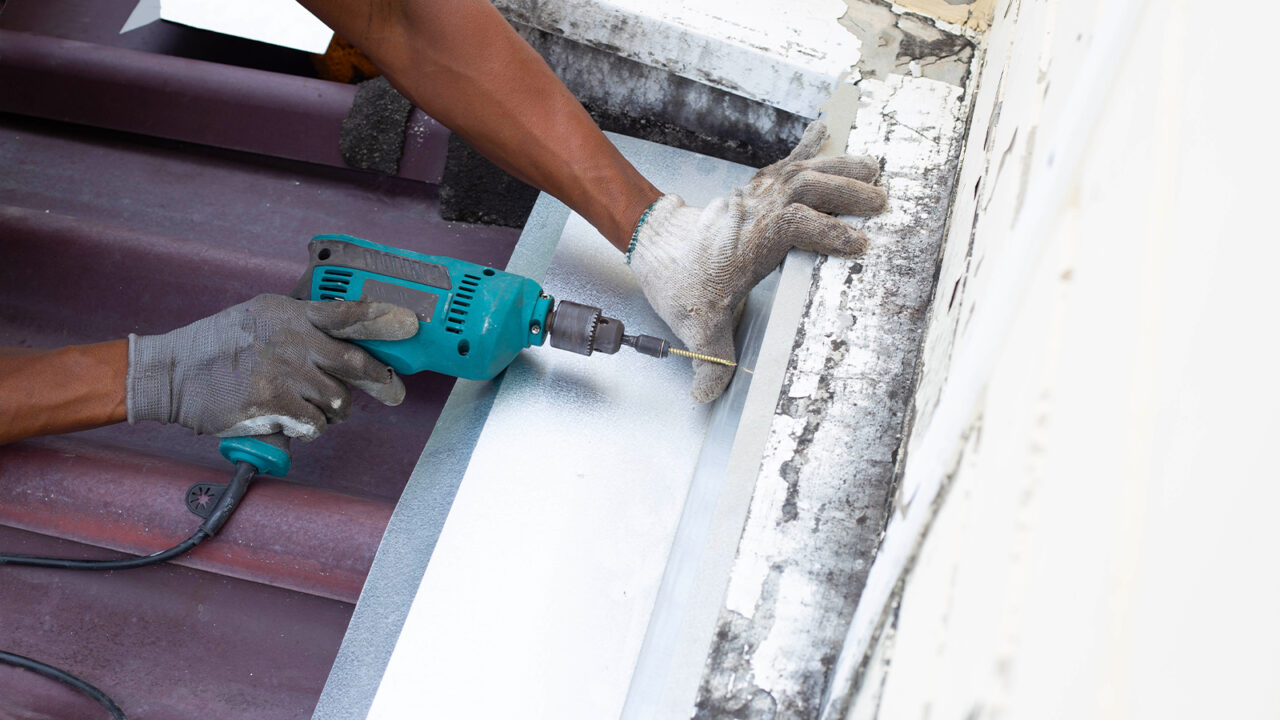
Emergency Temporary Fixes and Emergency Repairs to Stop the Leak
When water starts pouring through your ceiling, quick fixes can help until help arrives. These solutions won’t fix the problem for good, but they can temporarily stop more damage. They’ll also help prevent damage to your home’s interior.
Always put safety first with an emergency roof leak. Never try to fix anything during storms, high winds, or on wet surfaces. If it’s too dangerous, protect your stuff inside and call for help right away.
Using Tarps, Buckets, and Roofing Cement
A heavy-duty tarp is the best temporary roof fix. Make sure the tarp goes at least four feet beyond the damage on all sides. Use 2×4 boards and galvanized nails to secure it.
For small leaks, roofing cement is a quick fix. Clean the area and apply the cement over cracks or holes. A rubber roof patch is good for shingle punctures.
Inside, put buckets where water drips. Use towels around them to catch potential emergency spills and stains and protect floors.
Safely Finding the Source of the Leak in Your Roof
To find where water is coming in, start in your attic with a flashlight. Look for wet insulation, water stains, or dripping. Check flashing around chimneys, vents, and pipes first, as these often fail.
Water can travel a long way before dripping inside. The leak might be far from where you see water.
After these emergency steps, call Steam Commander for professional help. They’ll fix the water damage and repair your roof for good.
Getting Professional Help for Roof Damage and Water Restoration
Getting the right experts involved can make a big difference. When roof damage is more than just a patch job, it’s time to call a pro. They can assess the damage and offer lasting solutions.
Professional repairs are urgent to stop more damage and structural problems. A skilled roofing contractor will inspect your roof fully. They’ll tell you the damage and the cost of repairs upfront.
Choosing the Right Roofing Contractor and Repair Services
Start by checking if the contractor is licensed and insured. Look for those with local experience and good reviews. A good roofer will give you a detailed estimate and explain your options clearly.
Ask about their emergency service and warranty. The best services are available 24/7 for emergencies and back their work with strong guarantees.
Water Damage Cleanup with Steam Commander in Houston, TX
Steam Commander in Houston, TX is an expert in water damage restoration after roof leaks. Our certified team does everything from water removal to mold prevention. We make sure your home is back to normal.
Water damage cleanup is more than just drying. The Steam Commander team works with insurance and provides detailed reports. This helps with your claims and protects your property.
Read More: How to get mold out of carpet
| Service Type | Response Time | Average Cost Range | Insurance Coverage |
|---|---|---|---|
| Emergency Roof Repair | 2-4 hours | $300-$1,500 | Usually covered |
| Water Damage Restoration | 1-2 hours | $1,200-$5,000 | Often covered |
| Complete Roof Replacement | 1-3 days | $8,000-$25,000 | Partially covered |
| Mold Remediation | 24-48 hours | $500-$3,000 | Sometimes covered |
Protecting Your Home Starts with Prevention
Regular roof maintenance is the best way to avoid water damage. By having your roof checked twice a year, you can catch leaks early. Look for signs like missing shingles, cracked flashing, or water stains on your ceiling.
Even a small leak can lead to big problems if ignored. Your roof might look good from the ground, but small issues can hide big ones. Experts can show you the real damage after checking the leak and the area around it.
If a storm damages your roof, don’t delay in filing an insurance claim. Take photos and contact your insurance right away. A damaged roof needs quick attention to stop more damage in your home.
For those in Houston with water damage from a leaky roof, Steam Commander offers help. Our team does everything from checking the damage to cleaning up, keeping your roof safe and your home dry.
Fixing roof problems early saves money and prevents bigger disasters. Regular checks and quick repairs keep your family safe and your home secure.
FAQ
What should I do immediately when I discover a roof leak?
First, grab buckets or containers to catch dripping water and protect your floors. Move electronics, important documents, and valuable items away from the leaking area. Turn off electricity to affected areas for safety, then document everything with photos for your insurance claim. These quick actions can save you thousands in water damage costs.
How can I tell if my roof leak has caused structural damage?
Look for discolored patches on ceilings and walls, bubbling or peeling paint, warped wood, and water stains. Check for sagging areas in your ceiling and inspect your attic for wet insulation or damaged beams. Even small leaks can cause serious structural damage over time, so don’t ignore these warning signs.
Can I temporarily fix a roof leak myself?
Yes, but only if it’s safe to do so. You can use a tarp secured with boards using the sandwich method, apply roofing cement to small holes, or use temporary patches. Never go on a wet or slippery roof, and call a professional roofer for anything beyond basic emergency repairs. Safety should always be your top priority.
How do I find the actual source of a roof leak?
Water often travels along beams and pipes before appearing as visible damage, so the leak source may be far from where you see dripping. Check common problem areas like flashing around chimneys, damaged or missing shingles, and areas where different roof materials meet. Look for the highest point where water could be entering.
When should I call a professional for roof leak repair?
Call a professional immediately if the leak is large, if you’re uncomfortable working on your roof, or if you suspect extensive damage. Also contact professionals for permanent repairs even after temporary fixes. Look for licensed, insured roofing contractors with good local reputations who can properly assess the damage and provide reliable repair services.
How quickly can water damage from a leaking roof spread?
Water damage can escalate rapidly from a minor drip to major problems within hours. Water can spread through insulation, along ceiling joists, and into walls and carpets, affecting areas far from the original leak. Mold growth can begin within 24-48 hours in moist conditions, taking quick action essential to prevent further damage and avoid the hidden dangers of dirty carpets.
What’s the difference between emergency roof repair and permanent fixes?
Emergency repairs are temporary solutions to stop immediate water intrusion and minimize damage until professional help arrives. These include tarps, buckets, and temporary patches. Permanent fixes require professional assessment and proper materials to address the root cause and ensure your roof remains watertight long-term.
Will my homeowner’s insurance cover roof leak damage?
Coverage depends on the cause of the leak and your specific policy. Storm damage is typically covered, while damage from poor maintenance may not be. Document everything with photos immediately after discovering the leak, and contact your insurance company promptly to file a claim and understand your coverage.
How can I prevent mold growth after a roof leak?
Act quickly to dry affected areas within 24-48 hours. Remove wet materials like insulation and drywall if necessary, increase ventilation, and use dehumidifiers to reduce moisture. Professional water damage restoration services can ensure thorough drying and mold prevention, even for extensive water intrusion.
What should I expect from professional water damage restoration services?
Professional restoration goes beyond just drying things out. Services like Steam Commander in Houston, TX provide complete water extraction, structural drying, mold prevention, damage assessment, and work directly with insurance companies. They use specialized equipment and techniques to ensure complete restoration and prevent future problems.
Can even small roof leaks cause serious problems?
Absolutely. Even small leaks can lead to extensive water damage, mold growth, structural problems, and higher energy bills due to damaged insulation. Water damage compounds over time, so what starts as a minor drip can become a costly disaster if left untreated. Take every leak seriously, regardless of size.
How do I know if I need emergency roof repair or complete roof replacement?
A professional roof inspection can determine the extent of damage. Minor leaks with localized damage typically need repair, while extensive damage, multiple leak points, or severely compromised structural integrity may require roof replacement. Age of the roof and frequency of repairs are also factors in this decision.