When water invades your Houston home, whether from Harvey-like flooding or a burst pipe, one question weighs heavily on every homeowner’s mind: how long does structural drying take to get life back to normal?
The answer isn’t always straightforward, but understanding the structural drying timeline can help ease your worry and set realistic expectations during this challenging time.
Water damage restoration isn’t just about removing visible water—it’s about ensuring every drop of moisture is removed from your home’s structural components. In Houston’s humid climate, this process requires careful attention and professional expertise to prevent long-term issues like mold growth and structural damage.
Whether you’re dealing with a minor leak or significant flooding, the drying process follows similar principles but varies greatly in duration based on your specific situation.
Understanding what influences these timelines empowers you to make informed decisions and work effectively with restoration professionals like Steam Commander in Houston to restore your home safely and efficiently.
Key Takeaways
Here are the five most important things Houston homeowners need to know about structural drying timelines and how long drying can take:
- Standard drying time ranges from 3-7 days for most residential water damage situations with prompt professional intervention
- Houston’s high humidity can extend drying time by 1-3 additional days compared to drier climates
- The severity of the damage and affected materials determines whether your home needs basic or extended restoration services
- Professional equipment and monitoring are essential to prevent secondary damage like mold growth in our warm, humid environment
- Quick response within 24-48 hours significantly reduces both drying time and restoration costs
Understanding the Structural Drying Process
Water damage restoration goes far beyond mopping up visible water—it requires systematically removing excess moisture from every affected building material in your home. Houston’s unique climate conditions make understanding this process even more crucial for homeowners facing water damage emergencies.
The restoration process involves three critical phases: water extraction, evaporation, and dehumidification, each working together to restore your property completely. Professional teams coordinate these phases carefully, using specialized equipment to create controlled conditions that draw moisture from deep within walls, floors, and other structural components where hidden water damage often lurks undetected.
What Makes Houston Properties Unique
Houston’s subtropical climate presents specific challenges for water damage restoration. With average humidity levels often exceeding 70%, moisture tends to linger longer in building materials compared to drier regions. This means that what might dry in three days elsewhere could take longer to dry completely in our area.
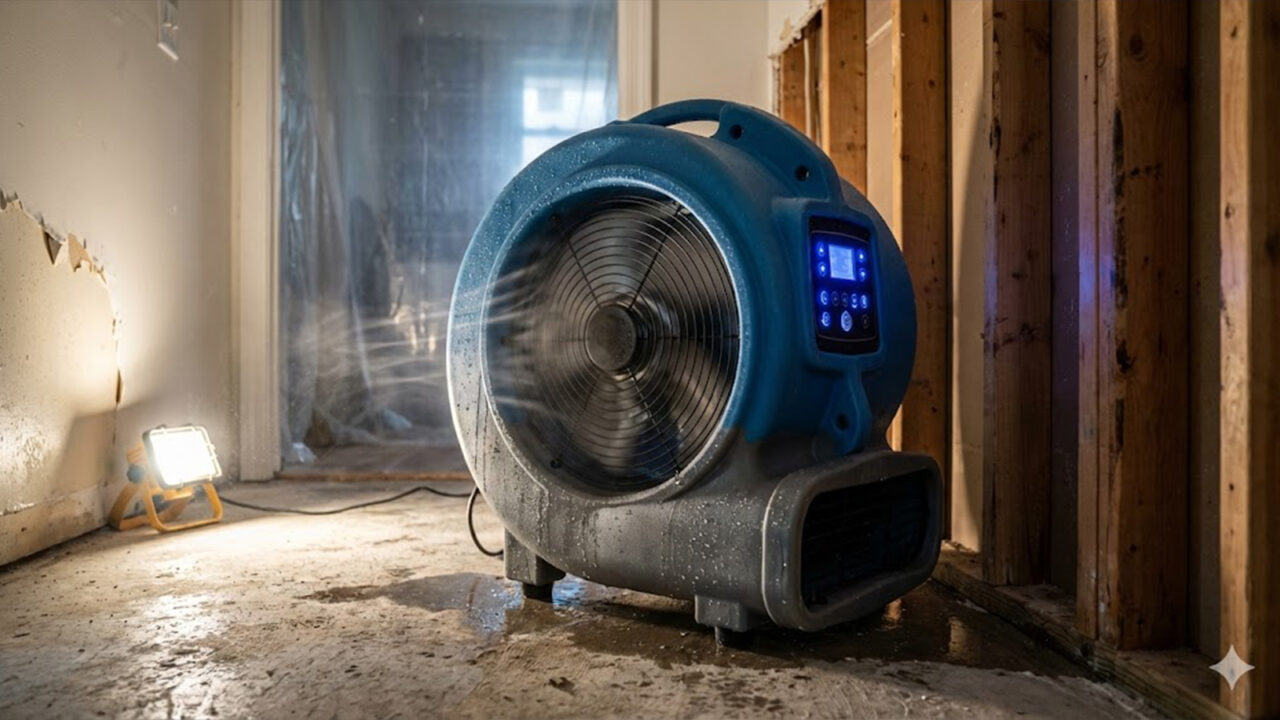
The structural drying process involves more than just removing standing water. Professional restoration teams use specialized drying equipment, including industrial dehumidification equipment, air movers, and moisture meters to track progress. The goal is to restore moisture levels in all affected materials—from drywall and insulation to floor joists and subflooring—to their pre-loss condition so things get back to normal.
The Science Behind Effective Drying
Proper dehumidification requires creating optimal atmospheric conditions. Professional equipment works by increasing airflow across wet surfaces while simultaneously removing moisture from the air. This creates a vapor pressure differential that draws moisture from porous materials like wood, concrete, and drywall.
How Long Does it Take: Typical Drying Timeframes in Houston
Most Houston homeowners want to know how long it takes to dry and exactly when they can expect their lives to return to normal after water damage strikes. While every situation depends on several unique factors, understanding typical timelines helps you plan and set realistic expectations for the restoration process.
Standard Water Damage (3-5 Days)
Most residential water damage situations in Houston communities can achieve full restoration within 3-5 days when addressed promptly. This timeline applies to:
- Clean water incidents (burst pipes, supply line failures)
- Limited affected areas (single room or floor)
- Modern construction with accessible structural components
- Quick professional response within 24 hours
During this timeframe, you can expect daily monitoring visits from restoration professionals who will adjust equipment and track moisture content using specialized tools to help speed up the drying process.
Extended Drying Situations (1-2 Weeks)
Some circumstances require additional time to fully dry:
- Extensive flooding: When multiple rooms or floors are affected
- Category 2 or 3 water: Gray water or black water requires more thorough sanitization
- Older Houston homes: Properties built before 1980 often have denser materials that retain moisture longer
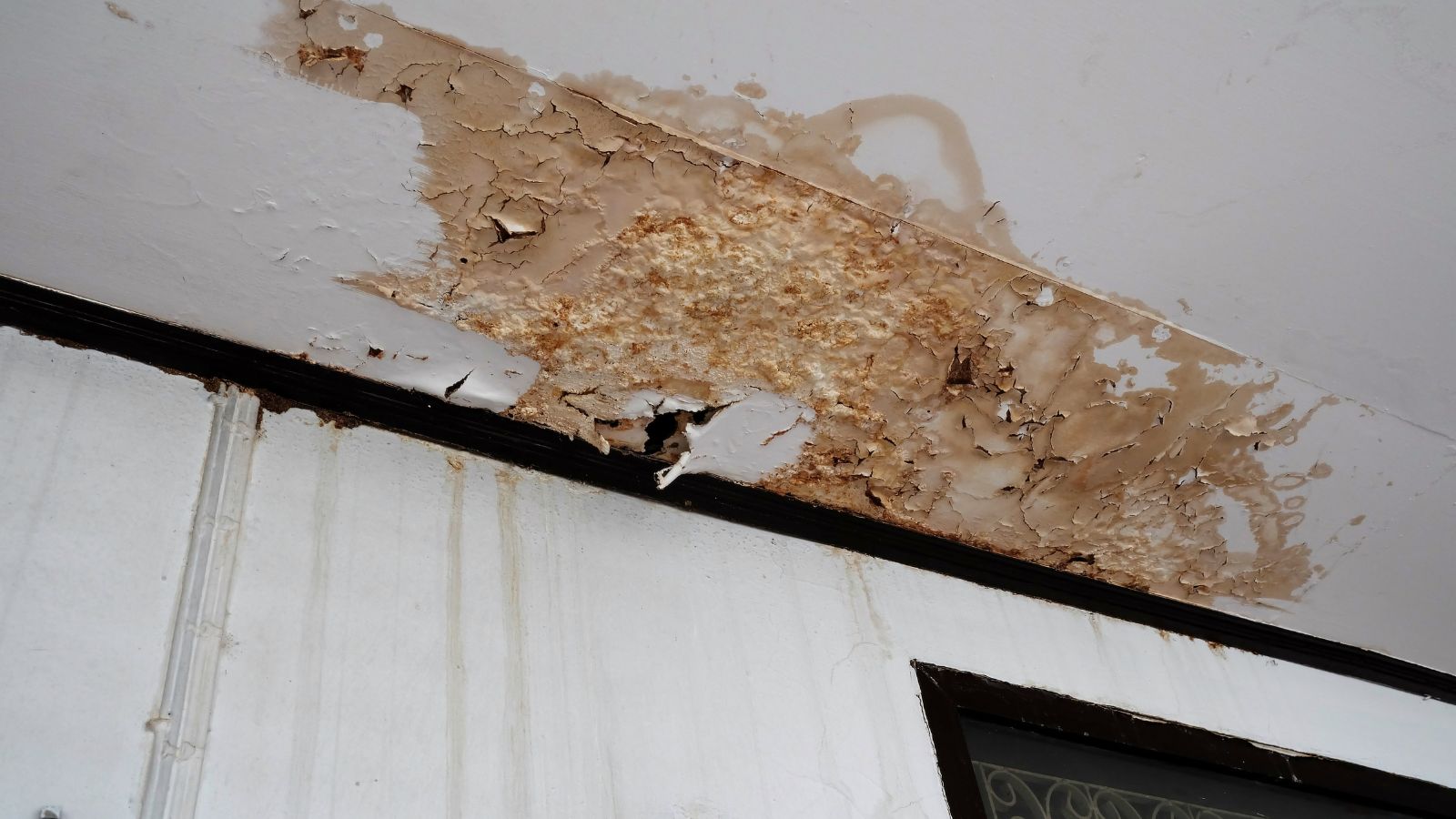
- Hidden water damage: When trapped in wall cavities or under flooring, moisture can weaken structures over time
These extended situations often require specialized techniques and additional safety precautions to ensure complete restoration. Professional restoration teams may need to remove building materials or use advanced extraction methods to access moisture in hard-to-reach areas.
Complex Restoration Projects (2+ Weeks)
Certain situations may extend the timeline significantly:
- Hurricane or storm damage with a compromised building envelope
- Historic Houston properties with unique construction materials
- Delayed response where water has been present for several days
- Significant structural damage requiring repair before drying can be completed
These complex projects often require coordination between multiple specialists, including structural engineers, contractors, and restoration professionals.
Critical Factors That Affect Drying Time
Several key variables determine whether your Houston home will dry quickly or require extended restoration time. Understanding several factors helps explain why some properties recover in days while others need weeks to fully restore and prevent further damage.
The severity of the water damage, combined with your home’s construction materials and environmental conditions, creates a unique drying scenario for every property. Professional restoration teams evaluate these variables during their initial assessment to develop accurate timelines and determine the most effective approach for your specific situation.
Houston’s Environmental Challenges
Houston’s subtropical climate presents specific challenges for water damage restoration, with average humidity levels often exceeding 70% causing moisture to linger longer in building materials compared to drier regions.
| Factor | Impact on Drying | Houston Considerations |
| Outdoor Humidity | High humidity slows evaporation | Averages 70%+ year-round |
| Temperature | Heat accelerates drying | Summer temps aid process |
| Seasonal Weather | Storms can complicate logistics | Hurricane season challenges |
| Air Quality | Poor circulation extends timeline | Requires professional air movement |
Material Properties and Building Types
Different materials throughout your home respond differently to water exposure. Hardwood floors may cup or buckle if not dried properly, while water damage to carpet padding often requires complete replacement.
Does water damage affect carpet padding? Yes, carpet padding is particularly vulnerable because it acts like a sponge, absorbing and retaining moisture that can lead to mold growth and unpleasant odors if not addressed immediately.
Drywall can appear dry on the surface while remaining saturated within, making professional moisture monitoring essential.
Houston’s prevalent slab-on-grade construction can complicate water extraction when flooding affects concrete floors. Unlike homes with basements or crawl spaces, moisture has fewer escape routes, potentially requiring specialized drying techniques.
Response Time Impact
The difference between calling for help immediately versus waiting can dramatically affect your timeline. Water continues spreading and penetrating building materials every hour it remains unaddressed. What might be a 3-day project with immediate response could become a 10-day restoration if delayed.
Professional Monitoring and Assessment Methods
Effective water damage restoration relies on precise measurement and continuous monitoring rather than guesswork or visual inspection alone. Professional restoration teams use advanced technology and proven methods to ensure your home reaches safe, dry conditions.
This scientific approach involves daily data collection and analysis to track moisture levels in different materials throughout your home, ensuring nothing is missed during the restoration process.
Restoration professionals document every measurement and adjustment, creating a clear record of progress that satisfies insurance requirements while giving you confidence that the job is done thoroughly.
How Long Does Water Damage Take to Dry: Daily Progress Tracking
Professional restoration companies use multiple methods to ensure your home returns to safe, dry conditions:
- Moisture meters provide precise readings of material moisture content
- Thermal imaging identifies hidden moisture pockets behind walls
- Psychrometric measurements track air conditions and drying progress
- Documentation creates a clear record for insurance purposes
This comprehensive monitoring approach allows restoration professionals to make real-time adjustments to equipment and techniques, ensuring optimal drying conditions throughout the entire process.
Industry Standards and Completion Criteria
The restoration process follows strict guidelines established by the Institute of Inspection, Cleaning and Restoration Certification (IICRC). These standards define what “dry” means for different materials and ensure consistent quality across the industry.
Your restoration company should provide daily reports showing moisture level trends and expected completion dates. This transparency helps you plan for returning to normal activities and arranging temporary accommodations if needed.
Equipment and Techniques Used
Modern water damage restoration depends on specialized equipment that creates optimal conditions for removing moisture from building materials. The right combination of professional tools and techniques can dramatically reduce drying time while preventing secondary damage.
Professional drying equipment works together as an integrated system, with each piece serving a specific purpose in the moisture removal process. Industrial-grade dehumidifiers, high-velocity air movers, and specialized monitoring devices create controlled atmospheric conditions that force moisture out of building materials much faster than natural evaporation alone could achieve.
Professional Drying Equipment and Dehumidification Setup
Modern water damage restoration relies on sophisticated equipment designed to create optimal drying conditions:
- Industrial dehumidifiers remove moisture from the air more effectively than residential units
- Air movers create airflow patterns that accelerate evaporation from surfaces
- Specialty equipment like injectidry systems can dry inside wall cavities without demolition
- Monitoring technology tracks progress and optimizes equipment placement
Why Professional Equipment Matters
While it might be tempting to rely on household fans and dehumidifiers, professional-grade equipment dramatically reduces drying time and prevents issues like mold growth. A single industrial dehumidifier can remove 10-20 times more moisture per day than consumer units.
The placement and configuration of equipment also requires expertise. Professionals understand how to create proper air movement patterns and maintain ideal atmospheric conditions throughout the affected area.
Preventing Complications and Secondary Damage
Immediate action and proper drying techniques protect your Houston home from costly complications that can develop when moisture lingers. Understanding potential risks helps you work effectively with restoration professionals to safeguard your property and family’s health.
Mold Prevention in Houston’s Climate
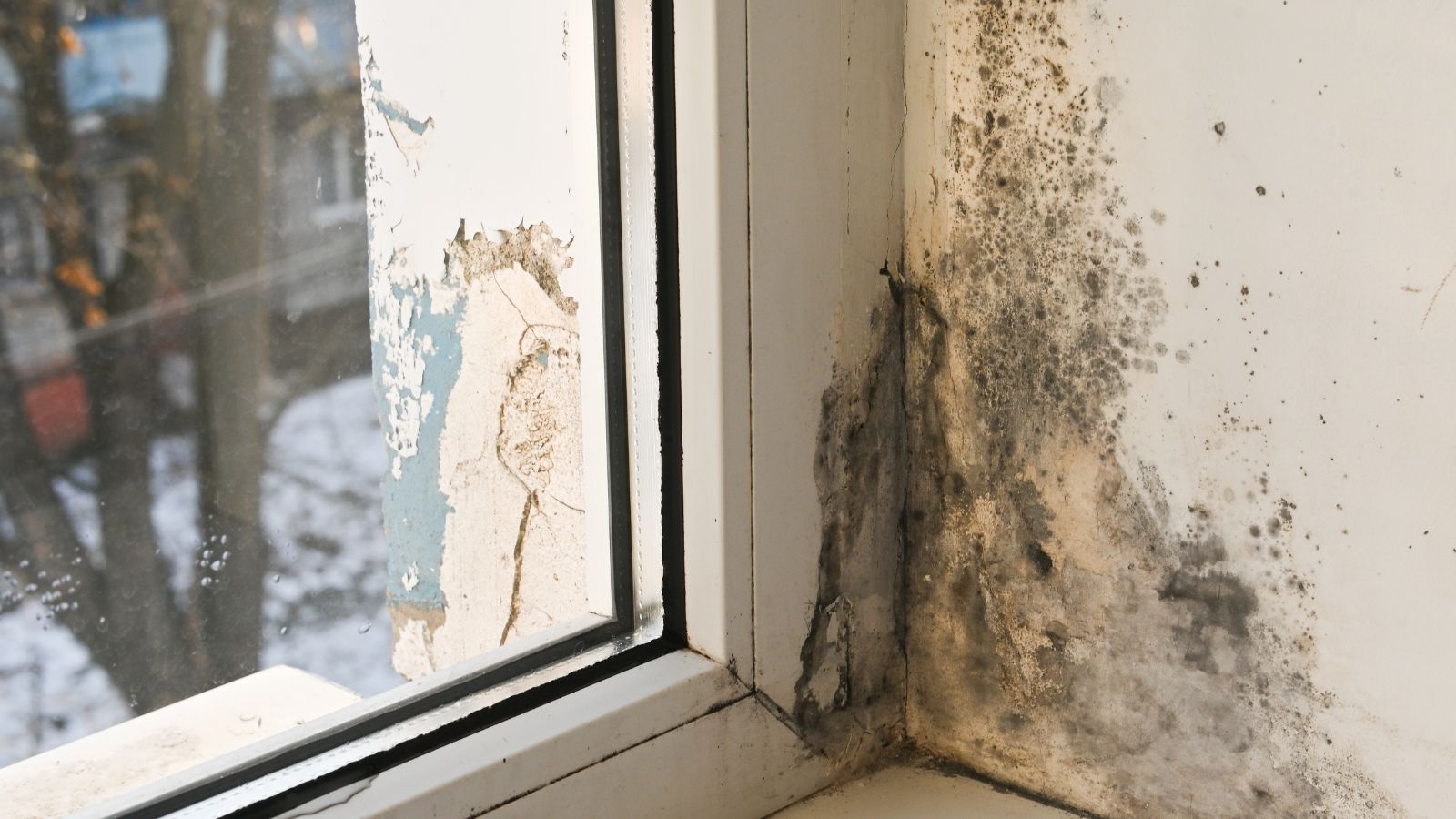
Houston’s warm, humid environment creates ideal conditions for mold growth, which can begin within 24-48 hours of water exposure. Professional drying prevents this by:
- Maintaining controlled humidity levels below 60%
- Ensuring complete moisture removal from all materials
- Providing antimicrobial treatments when appropriate
- Monitoring for signs of microbial growth throughout the process
Protecting Your Family During Restoration
The drying process doesn’t have to completely disrupt your life, but some precautions help ensure safety and comfort:
- Maintain clear pathways around drying equipment
- Keep pets and children away from industrial equipment
- Expect noise from air movers and dehumidifiers
- Plan for increased utility costs during the drying period
Long-term Structural Integrity
Proper structural drying protects your home’s value and safety. Incomplete drying can lead to:
- Wood rot in structural components
- Metal corrosion in fasteners and supports
- Compromised insulation effectiveness
- Foundation settlement in severe cases
When to Seek Professional Help
Recognizing the warning signs of serious water damage can save you time, money, and stress in the long run. Knowing when to call professionals versus attempting DIY solutions makes the difference between quick recovery and prolonged problems.
Warning Signs That Require Immediate Attention
Don’t wait to call professionals if you notice:
- Standing water of any depth
- Water stains spreading on walls or ceilings
- Musty odors developing
- Visible mold growth
- Flooring that feels soft or spongy
Choosing the Right Restoration Company
The restoration company you choose will be your partner throughout this stressful process, so selecting one with proven expertise and excellent customer service makes a significant difference in your experience. A reputable company will provide upfront estimates, regular progress updates, and work directly with your insurance company to streamline the claims process.
Look for companies that offer:
- 24/7 emergency response
- IICRC certification
- Local Houston experience
- Comprehensive insurance claim support
- Clear communication and documentation
Summary
Understanding how long structural drying takes helps Houston homeowners set realistic expectations and make informed decisions during water damage emergencies. While most situations resolve within 3-7 days with professional intervention, factors like humidity, building materials, and response time can extend this timeline.
The key to successful restoration lies in prompt action, professional expertise, and patience with the process. Remember that thorough drying prevents costly repairs and health issues down the road, making the investment in proper restoration worthwhile. Professional water damage restoration companies like us at Steam Commander guide you through each step of recovery, ensuring your home returns to a safe, comfortable environment.
Frequently Asked Questions
How do I know when structural drying is complete?
Professional moisture readings must match pre-loss levels in all affected materials. Your restoration company will provide documentation confirming completion.
Can Houston’s humidity slow down the time it takes to dry out water damage?
Yes, our high humidity levels can extend drying time by 1-3 days compared to drier climates. Professional equipment compensates for these conditions.
What happens if I try to dry everything myself?
DIY drying often leads to hidden moisture, mold growth, and structural damage that costs more to repair than professional restoration.
Is it safe to stay home during the drying process?
Most homes remain habitable during drying, though noise from equipment and temporary inconvenience should be expected.
How much does professional structural drying cost?
Costs vary based on damage extent, but proper drying is typically much less expensive than addressing secondary damage from incomplete restoration.