
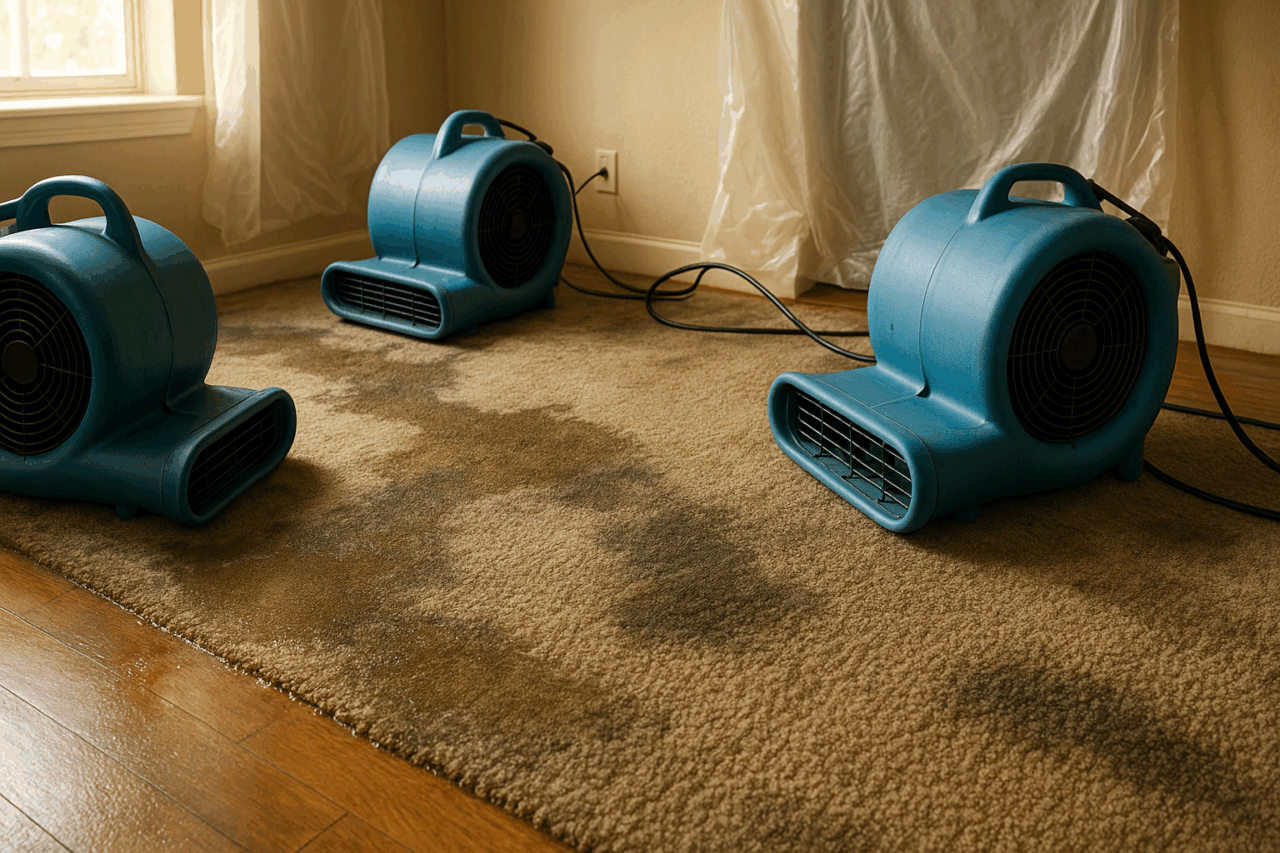
Water damage hits about 14,000 Americans every day. Your carpet is at risk when water gets into its fibers. As a homeowner, you must act quickly when flooding or leaks happen.
Water damage starts the moment it touches your carpet. Most carpets need to be replaced if water sits for 72 hours. Stagnant water is perfect for damage and mold growth. This can lead to headaches, sinus problems, or breathing issues for your family.
Professional water damage restoration can save your carpet if you act fast. The longer water sits, the more likely you’ll face pest problems, damaged subfloors, and weakened foundations. Your carpet will show signs if it can be saved or needs to be replaced.
Key Takeaways
- Water damage affects 14,000 Americans daily and requires immediate action
- Carpets typically need replacement after 72 hours of water exposure
- Mold growth in water-damaged carpets can cause health problems
- Quick professional water damage restoration can prevent carpet replacement
- Excess water can damage subfloors and home foundations
- Watch for specific signs that indicate your carpet needs to be replaced
Understanding Water Damage Impact on Carpets
Water damage hits your carpet hard. A wet carpet is more than a hassle—it’s a serious problem. It can harm every part of your flooring. Knowing how water damages carpets helps you decide if you should fix or replace it.
How Excess Water Affects Carpet Materials
Carpet materials react differently to water. Synthetic fibers like nylon and polyester hold up better than natural ones like wool. When water gets into your carpet, it goes through the fibers and into the backing and pad below.
This moisture weakens the glue that holds everything together. This can cause the carpet to lift and buckle.
The Critical 72-Hour Timeline
Time is key when dealing with water damage. In 72 hours, mold and mildew start to grow. This is even faster in warm, humid places.
Acting fast with the right carpet cleaning and a dehumidifier can save your carpet. Waiting too long can lead to lasting odors and health issues.
Different Types of Water Contamination
Not all water damage is the same. The source of the water affects your carpet’s chances:
| Water Category | Source | Contamination Level | Salvage Possible |
| Clean Water | Burst pipe, supply line | Low | High |
| Gray Water | Washing machine overflow | Moderate | Medium |
| Black Water | Sewage, floodwater | High | Very Low |
Water from sewage or floodwater is full of harmful stuff. It’s best to replace your carpet. Water from a burst pipe might be saved.
How to Tell If Your Carpet Needs Replacing After Water Damage
When your carpet gets water damaged, you need to act fast. It’s important to know if you can save it or if it’s time for a new one. Experts look for certain signs to decide if your carpet can be fixed.
Visual Signs of Irreversible Damage
Look for dark spots or stains that won’t go away. These are signs of deep water damage that can’t be cleaned out. Also, check for wrinkles or bubbles in the carpet. These show the glue underneath has failed.
Check your baseboards for water stains or warping. If water reaches the walls, it’s a sign of big damage.
The Musty Smell Test
Your sense of smell can tell you a lot. A slight musty smell might mean you can save the carpet. But if the smell is strong when you walk in, it’s probably time to replace it.
This smell comes fast, even with clean water, and gets worse over time.
Checking for Mold and Mildew Growth
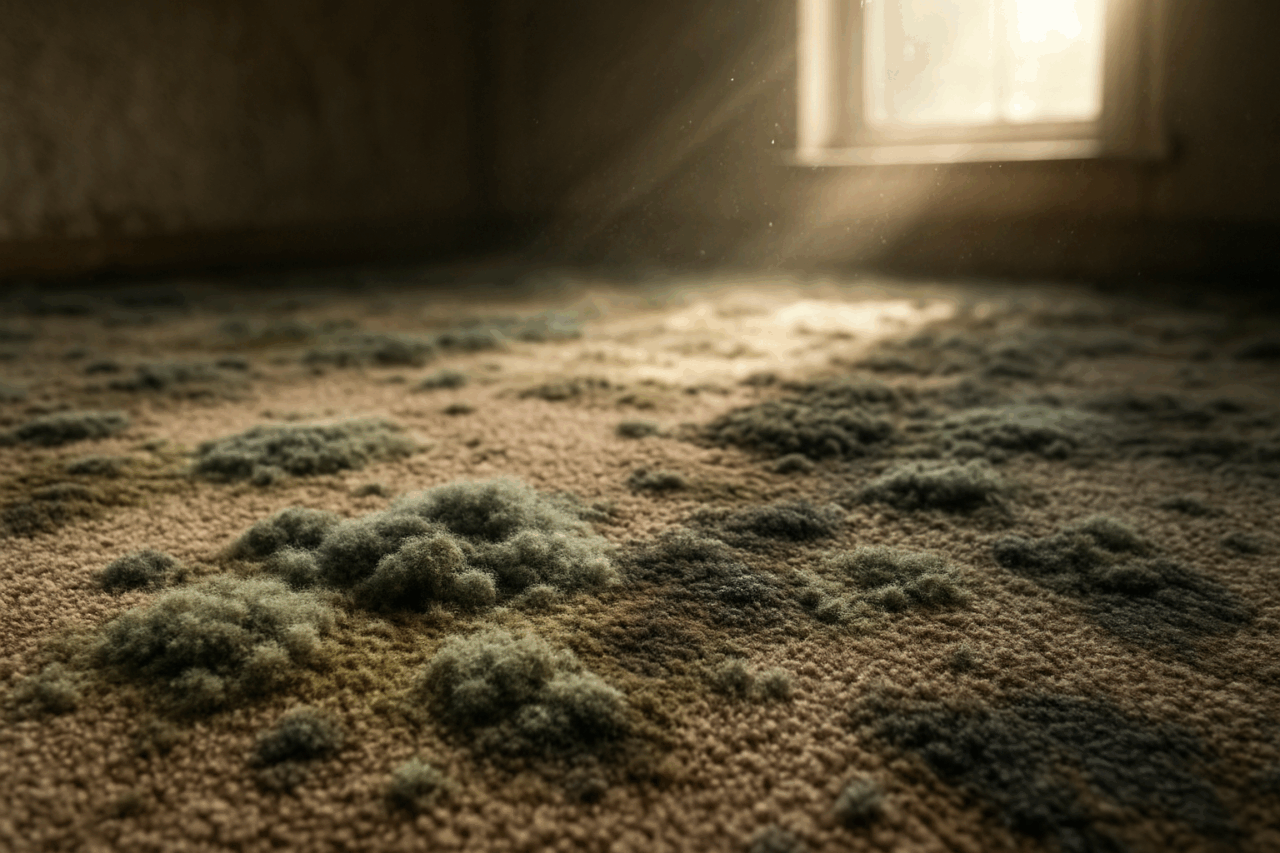
Mold grows quickly on wet surfaces. You might see fuzzy patches or color changes in 24 to 48 hours. Lift the carpet corners to check underneath.
Black or green spots mean you need to act fast. Mold can spread to the subflooring, making it expensive to fix.
Assessing Carpet Pad Condition
The carpet pad is key to figuring out what to do. A squishy carpet doesn’t always mean it needs to be replaced. Pull back a corner to see the pad.
If it’s wet or falling apart, you’ll need a new carpet. Also, check the subflooring. Soft or warped wood means serious damage that needs a pro.
Common Sources of Water Damage in Your Home
Water damage can hit your home from many places, making you wonder if you should replace your carpet. Knowing where the water comes from helps you act fast. This way, you can figure out if your carpets can be saved.
Quick action stops more damage and saves money on repairs.
Burst Pipes and Plumbing Failures
Broken pipes are a big cause of carpet damage. When pipes burst, hidden behind walls or under floors, water spreads fast. Old pipes, cold weather, and high water pressure often lead to failures.
Look out for these signs of plumbing trouble:
- Water stains on walls or ceilings
- Unexplained increase in water bills
- Reduced water pressure
- Sounds of running water when taps are off
Roof Leaks and Storm Damage
Heavy storms and damaged roofs let water into your home. If your carpet gets wet from roof leaks, you need a pro to check it. Missing shingles, clogged gutters, and ice dams let water in.
Storm damage needs quick action. Cover broken windows and put tarps over roof holes to stop more damage. If rainwater has soaked through to the padding, your carpet might need to be replaced.
Appliance Malfunctions and Overflows
Water heaters, washing machines, and dishwashers can flood if they break. A failed water heater can spill 40-80 gallons, often requiring carpet replacement. Regular upkeep can prevent most floods from appliances.
When Replacement Is the Best Option
Trying to fix a water-damaged carpet can be risky. Knowing when to replace it can save money and keep your family safe. The damage’s extent is key in making this choice.
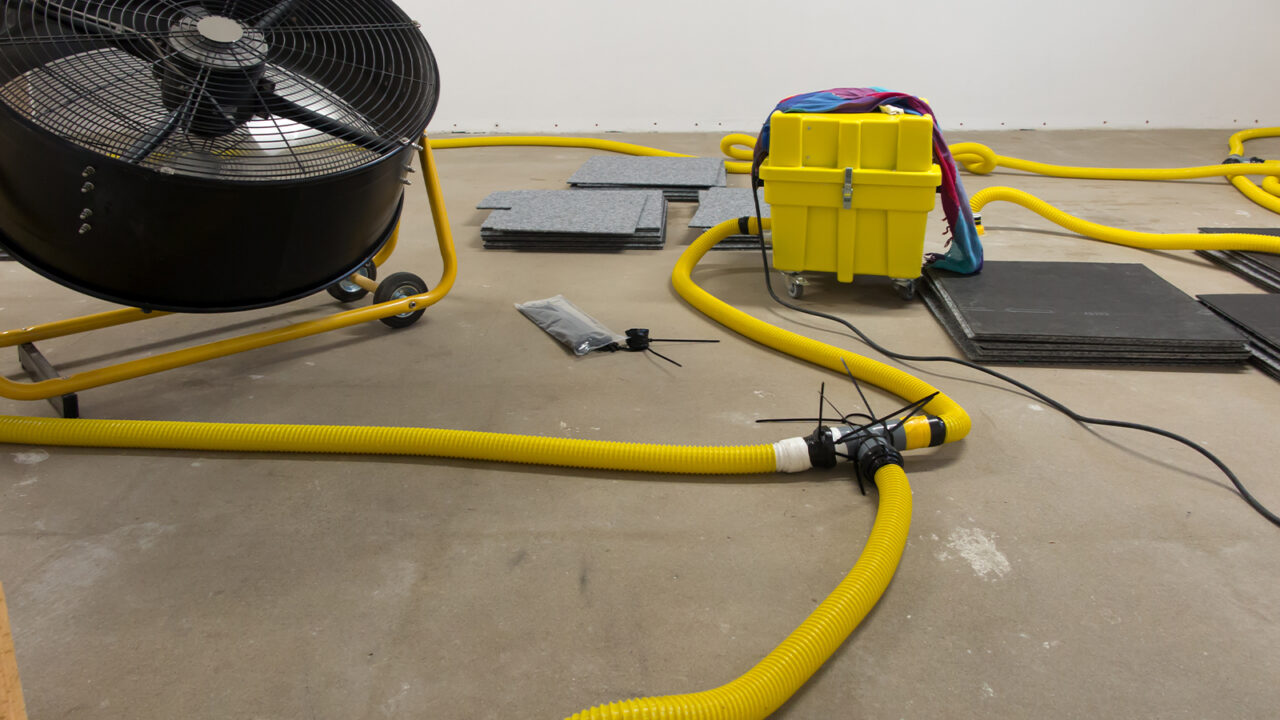
Replace your carpet if water damage hits multiple rooms or soaks the backing and subfloor. Carpets wet for over 48 hours risk mold. The padding traps water, creating a breeding ground for harmful germs.
Different water damage sources need different actions. Clean water might be salvageable, but contaminated water means replacement is best. Here are times when replacing is safest:
- Sewage backups or toilet overflows
- Floodwater containing harmful bacteria
- Water sitting for over 48 hours
- Visible mold on carpet backing
- Damage extending to multiple rooms
Your carpet’s quality also matters. Expensive or delicate carpets often can’t be restored after water damage. If the water is contaminated, health risks are too high. Sometimes, the best choice is to get new flooring, even if you’re planning to redecorate.
Signs Your Water-Damaged Carpet Can Be Saved
Not every flooded carpet needs to be replaced right away. Your home’s water damage might seem bad, but many carpets can recover with quick action and the right care. It’s all about spotting good signs early and acting fast to avoid permanent damage.
Minimal Water Exposure Indicators
When you check your wet carpet, look for these signs. They mean professional cleaning might save it instead of needing a new carpet:
- Water covers less than half the room
- No standing water after initial removal
- Carpet feels damp but not soaked
- Water exposure was less than 24 hours
- Carpet padding is only slightly wet
No Visible Wrinkling or Delamination
A flat, smooth carpet after water is a good sign. If your carpet stays flat without bubbling or separating, the adhesive is good. This could mean you won’t need a new carpet. Check the surface with your hand – if it’s even, professional cleaning can likely save it.
Clean Water Source Considerations
The water source greatly affects whether you can save your carpet. Clean water from broken pipes or rainwater is less damaging than dirty water. Here’s what’s important:
| Water Source | Salvage Possible | Action Needed |
| Burst water pipe | High | Extract water within 48 hours |
| Rainwater leak | Moderate to High | Dry quickly, check for debris |
| Dishwasher overflow | Moderate | Remove soap residue, dry thoroughly |
| Toilet overflow | Low | Usually requires replacement |
Professional Water Damage Restoration vs. DIY
When water damage hits your home, you might think about doing it yourself or calling pros. The choice can affect if you’ll need to replace your carpet. Knowing the good and bad of each option helps you decide what’s best for you.
Benefits of Hiring Steam Commander in Houston
Steam Commander uses the best gear that sucks up water better than home tools. Their extractors get deep into carpet and padding, pulling out moisture that regular tools can’t. This stops mold from growing in hidden spots.
Pro teams act fast for mold remediation, arriving in hours to start pulling out water. They know when to replace carpets and when they can be saved. They also check hidden spots like baseboards and walls that got wet.
Proper Water Extraction Techniques
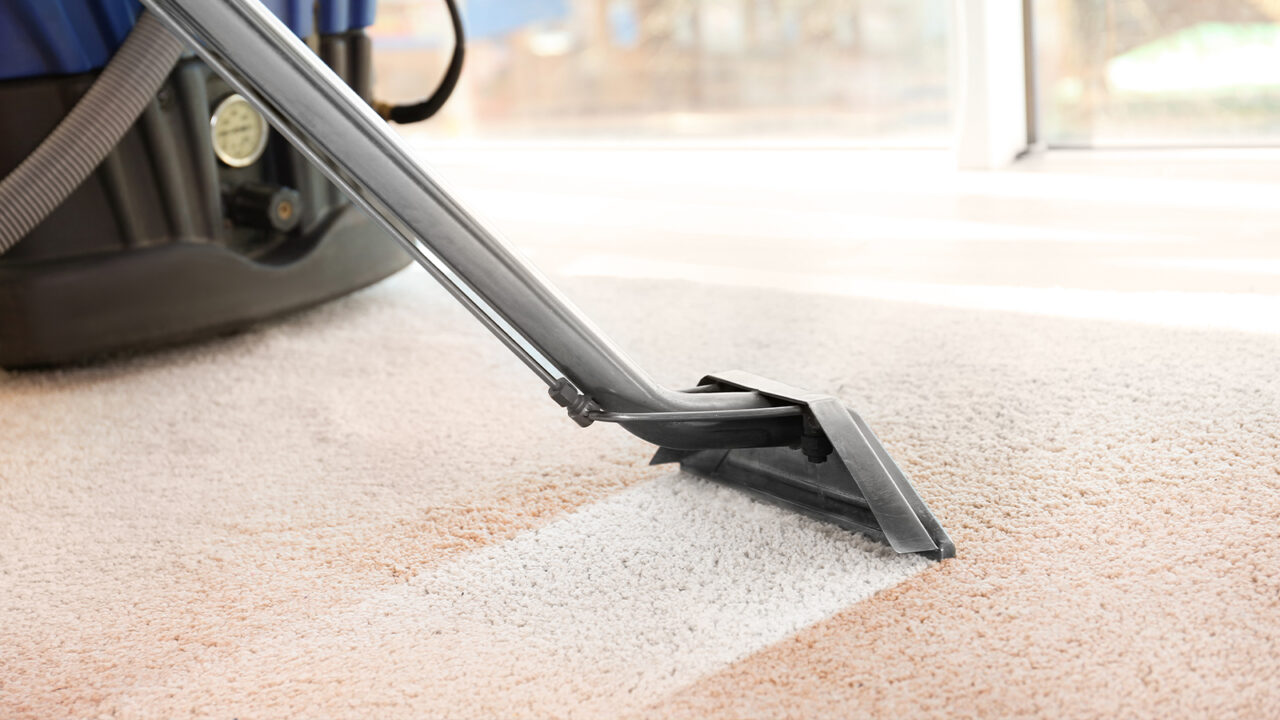
Don’t use a regular vacuum on wet carpets. Only wet/dry shop vacuums are safe for water extraction. For small spills, baking soda can pull out moisture before vacuuming. For bigger areas, you’ll need to make several passes with extraction tools.
Professional-grade extractors get water out of both carpet and padding. This stops mold or mildew from growing, which happens when water stays trapped.
Using Fans and Dehumidifiers Effectively
For drying, use fans and commercial dehumidifiers right. Place fans to blow air across wet areas. Run dehumidifiers until humidity falls below 50%. This usually takes 24-72 hours, depending on how wet your carpets are.
Conclusion
Discovering water-damaged carpets in your home is a big deal. You need to act fast and check the damage within 72 hours. This time is key to see if your carpet can be fixed or if it’s time to replace it.
Look for mold, wrinkles, and damage under the carpet to decide. Sometimes, it’s better to get a new carpet, like after sewage or flooding. If there’s mildew or bad smells, your carpet might need to go.
When there’s too much water, it’s clear you need a new carpet. Your family’s health is more important than saving the carpet. It’s better to be safe than sorry.
Companies like Steam Commander are experts in fixing water damage. They use special tools to dry your home. When picking a new carpet, choose ones that can handle water better.
Always document damage for insurance and act quickly when water hits your home. Your fast actions and smart choices keep your family safe and your home in good shape.
FAQ
How long can carpet be wet before it needs to be replaced?
You should replace carpet if it’s been wet for 72 hours without treatment. After this time, mold and mildew spread. But, if the water is contaminated, like from sewage, replace the carpet right away.
Can I salvage carpet that has been exposed to standing water?
You might save carpet from standing water if you act fast. Success depends on the water type, how long it was wet, and the damage. Clean water from a burst pipe can be treated in 24-48 hours to save the carpet.
What are the signs that water-damaged carpet needs immediate replacement?
Look for dark spots, wrinkling, musty smells, mold, damaged baseboards, and contaminated water. If your carpet has been wet over 72 hours or shows many damage signs, it’s time to replace it.
Should I attempt water removal myself or hire professional water damage restoration services?
For minor damage, you can use a wet/dry vacuum. But, for big damage, get professionals. They have the right tools and know-how to dry everything out and prevent mold.
Does homeowner’s insurance cover carpet replacement after water damage?
It depends on your policy and the damage cause. Most policies cover sudden damage from pipes or appliances but not leaks or floods. Take photos of the damage and call your insurance right away to see if you’re covered.
How can I prevent mold growth in water-damaged carpets?
Dry the carpet fast by extracting water, using fans and dehumidifiers, and ensuring good air flow. Use a bleach solution to clean affected areas. If you see mold, get professional help. Mold can hide in padding and subflooring, so check carefully.
What’s the difference between water damage from clean water versus contaminated sources?
Clean water from pipes or rain is safer and can be cleaned. But, contaminated water from sewage or floods is dangerous and needs immediate replacement. Gray water from appliances is in between and should be checked by a pro.
Can I install new carpet immediately after water damage remediation?
Make sure the subfloor is completely dry before getting new carpet. Professionals will check if it’s safe. Putting carpet on damp floors will cause mold and damage your new carpet.