
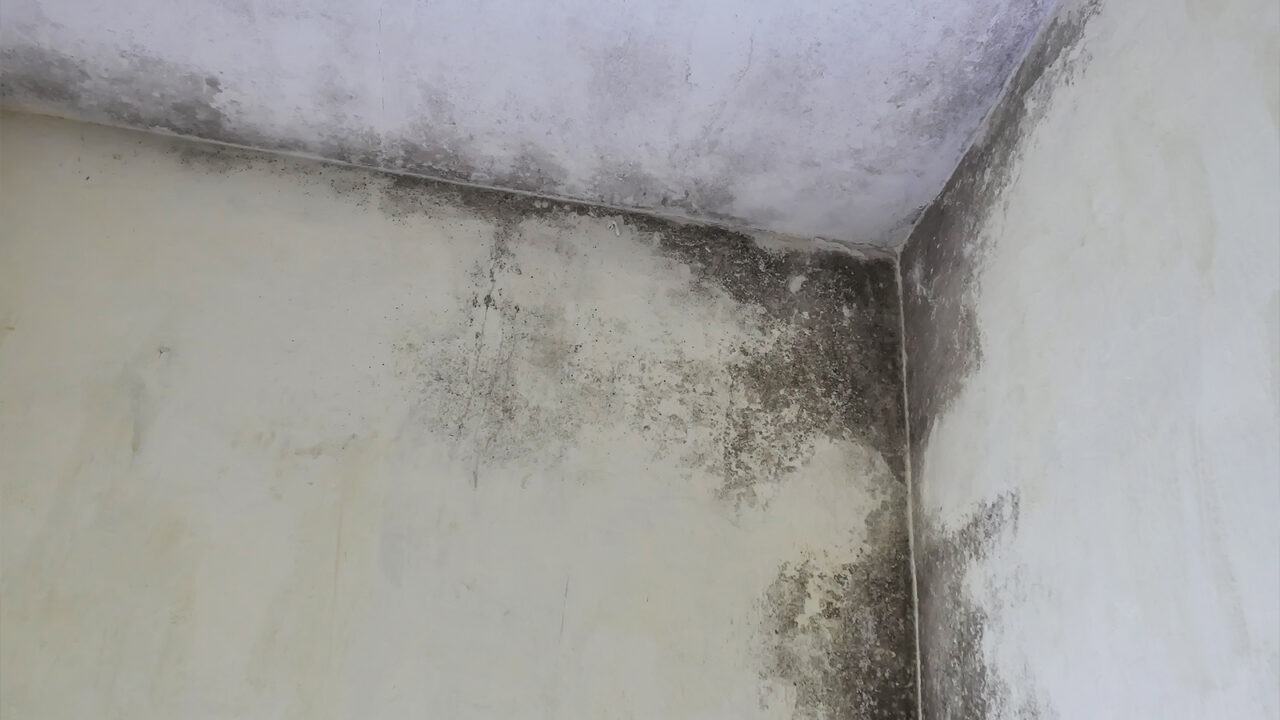
At Steam Commander, we see firsthand how quickly water damage can turn into a serious mold problem. Moisture trapped in walls, floors, and ceilings creates the perfect environment for mold spores to activate and spread—often faster than homeowners realize.
In many homes, mold growth can begin within 24 to 48 hours after water damage occurs. Common building materials like drywall, wood framing, carpet, and ceiling tiles contain organic material that mold feeds on. When these materials stay damp—even briefly—mold has everything it needs to grow.
We regularly respond to homes across the Houston area where water damage wasn’t addressed quickly enough. Burst pipes, flooding, roof leaks, appliance failures, and even everyday humidity from cooking or showering can all introduce excess moisture. Without proper ventilation and professional drying, that moisture doesn’t just disappear—it becomes a mold risk.
The key to preventing mold is speed and precision. The first 72 hours after water damage are critical. That’s why our team acts fast with our Water Damage Restoration Service to remove moisture, control humidity, and stop mold before it becomes a larger—and more expensive—problem.
Key Takeaways
- Mold can begin growing within 24–48 hours after water damage
- Drywall, carpet, and wood are especially vulnerable to mold growth
- Even routine household moisture can lead to mold without proper ventilation
- Mold spreads through airborne spores that settle on damp surfaces
- Professional restoration within the first 72 hours is critical to prevention
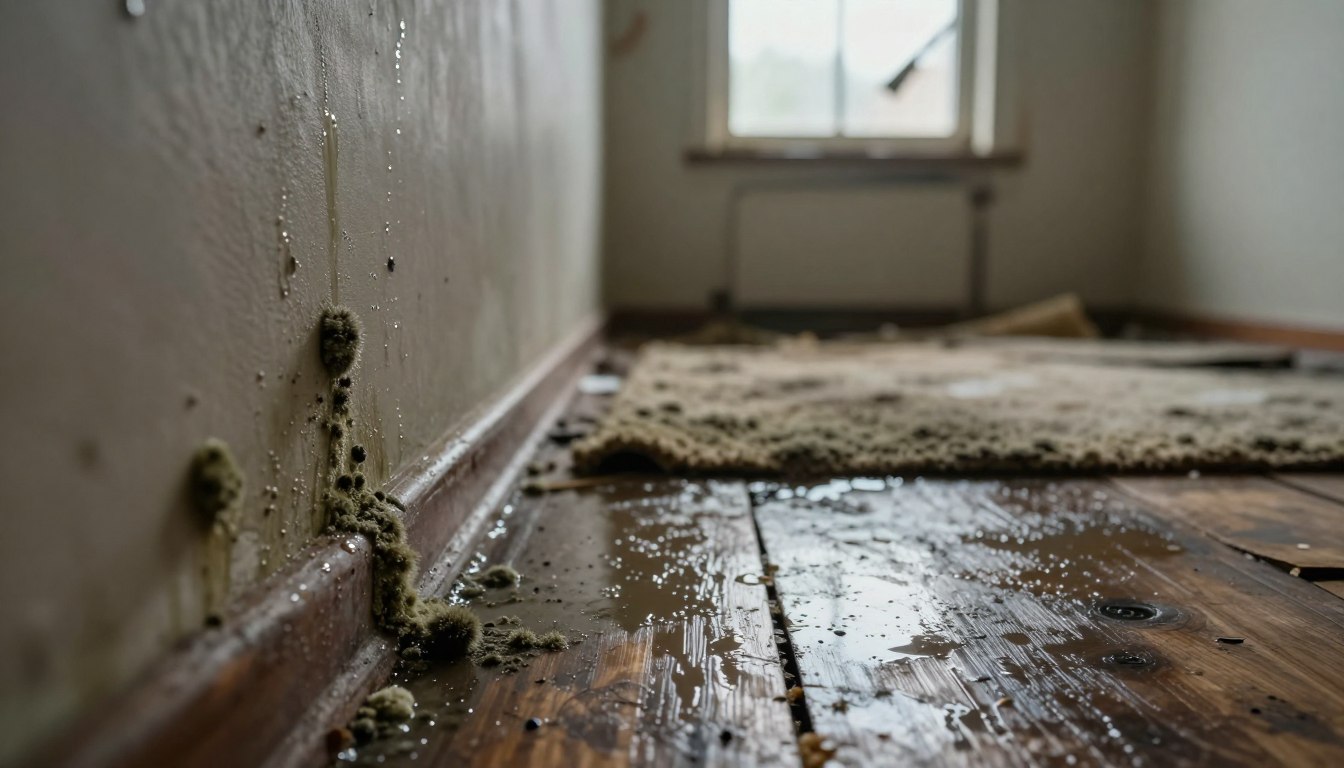
Why Water Damage and Mold Go Hand in Hand
Water damage isn’t just a surface-level issue. It triggers a chain reaction inside your home that allows mold to thrive. Understanding this connection helps homeowners act before small problems turn into major repairs.
Mold needs three things to grow: moisture, humidity, and a food source. Unfortunately, homes provide all three. Once water enters the structure, materials like drywall paper, wood, insulation, and carpet backing become food sources for mold colonies.
Indoor humidity above 50% dramatically increases mold risk. Modern, energy-efficient homes often trap moisture inside, especially after water damage, creating ideal conditions for mold growth if drying isn’t done properly.
| Material | How Fast Mold Grows | Risk Level |
|---|---|---|
| Drywall | 24-48 hours | High |
| Wood Framing | 2-3 days | High |
| Carpet | 24-72 hours | Very High |
| Ceiling Tiles | 48-72 hours | Moderate |
| Painted Surfaces | 3-5 days | Low to Moderate |
With heavier storms and flooding becoming more common in Houston, the risk of water intrusion—and mold growth—continues to rise.
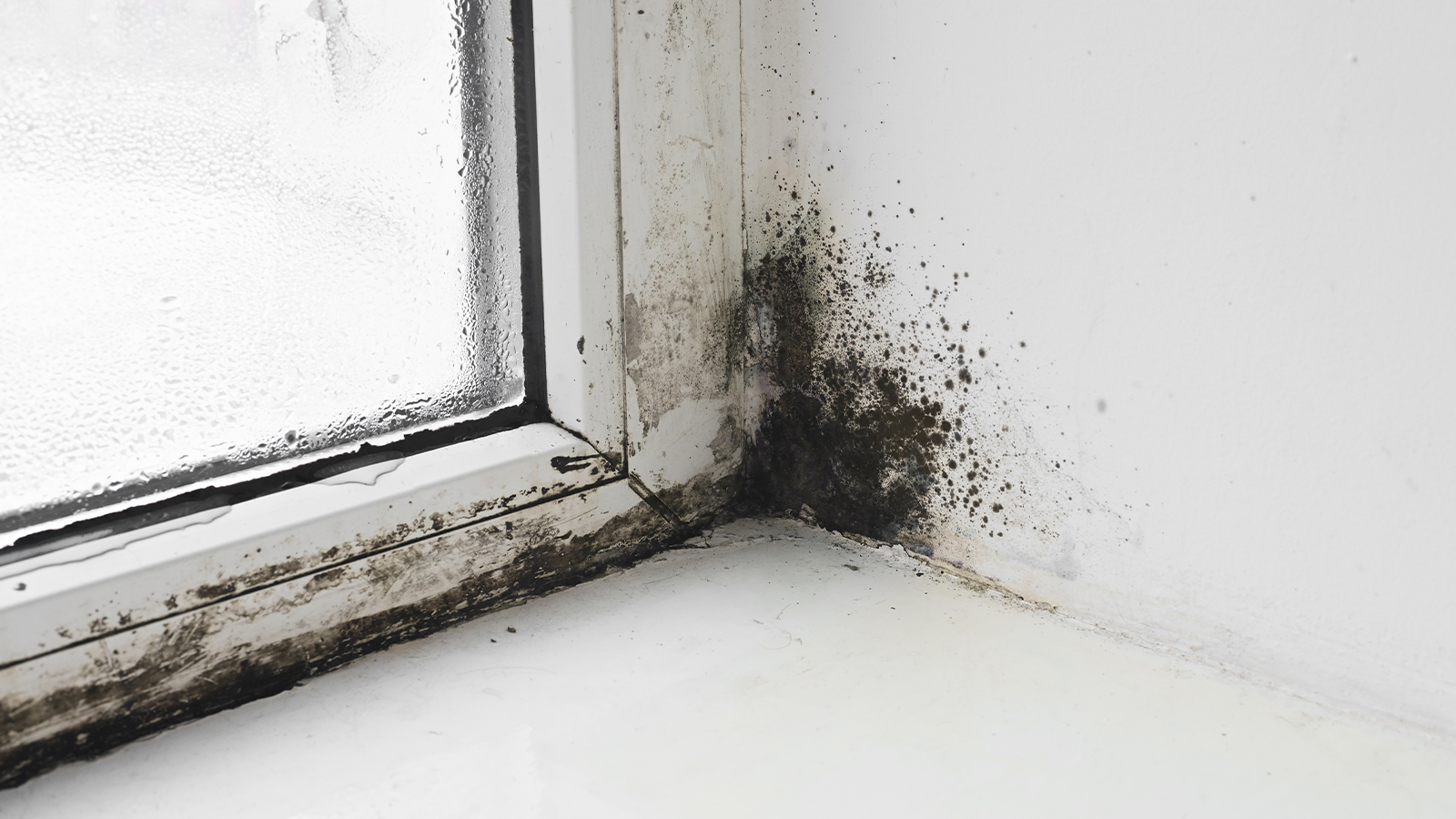
The Timeline: How Fast Mold Can Grow After Water Damage
Mold grows fast after water damage. Knowing how quickly it spreads helps protect your home and family. Water creates a perfect spot for mold spores to multiply, and time is of the essence.
What Happens in the First 24-48 Hours
Mold can start growing in 24 hours after water damage. Mold spores can grow in just 48 hours with too much moisture. This means you must act quickly to avoid big problems.
In the first hours, tiny spores in your home start growing. Wet carpets, drywall, and wood become perfect places for mold to grow fast after damage.
Days 3-7: When Mold Starts Taking Hold
By 72 hours, mold becomes visible as fuzzy growth. Materials like drywall and insulation trap moisture, helping mold grow. These materials also provide food for mold colonies.
| Day After Water Damage | Mold Development Stage | Visible Signs |
|---|---|---|
| Day 1-2 | Spore activation | No visible growth yet |
| Day 3-4 | Early colony formation | Fuzzy transparent patches |
| Day 5-7 | Established growth | Dark spots forming |
After One Week: Serious Mold Problems Develop
After a week, mold takes over wet areas. Dark spots and patches show up, and moisture problems get worse. Small areas can grow into big patches needing professional help.

Different Types of Mold That Show Up from Water Damage
Water damage creates a perfect home for mold to grow. Each mold type has its own challenges and health risks. Knowing which mold you have is key to protecting your family and home.
Black Mold and Other Dangerous Species
Black mold (Stachybotrys chartarum) is the most feared toxic mold after water damage. It looks like dark, slimy patches with green tints. It grows on wet surfaces and releases toxins that can harm your health.
Other dangerous molds include:
- Aspergillus – Comes in over 150 varieties with colors from white to brown
- Chaetomium – Has a cotton-like texture that turns from white to gray to black
- Fusarium – Shows pink, white, or red patches that spread fast in cool, wet places
Common Household Varieties You’ll Encounter
Not all household molds are toxic, but they can all cause allergies and breathing problems. Cladosporium shows up as black, gray, or green spots in bathrooms and basements. Alternaria grows as olive to black fuzzy patches in attics and crawl spaces.
Penicillium spreads as blue or green velvet-like colonies on water-damaged materials. These mold spores can travel through your HVAC system, affecting your home’s air quality.
Hidden Mold Behind Walls and Floors
Hidden mold is a big risk because it grows undetected for weeks or months. Water from leaky pipes creates perfect conditions for mold inside wall cavities and above ceiling tiles. You might smell musty odors or see water stains before spotting the mold.
These mold types include Ulocladium around toilet bases and Aureobasidium behind wallpaper. Professional tools can find moisture and hidden mold in spaces where drying methods can’t reach.
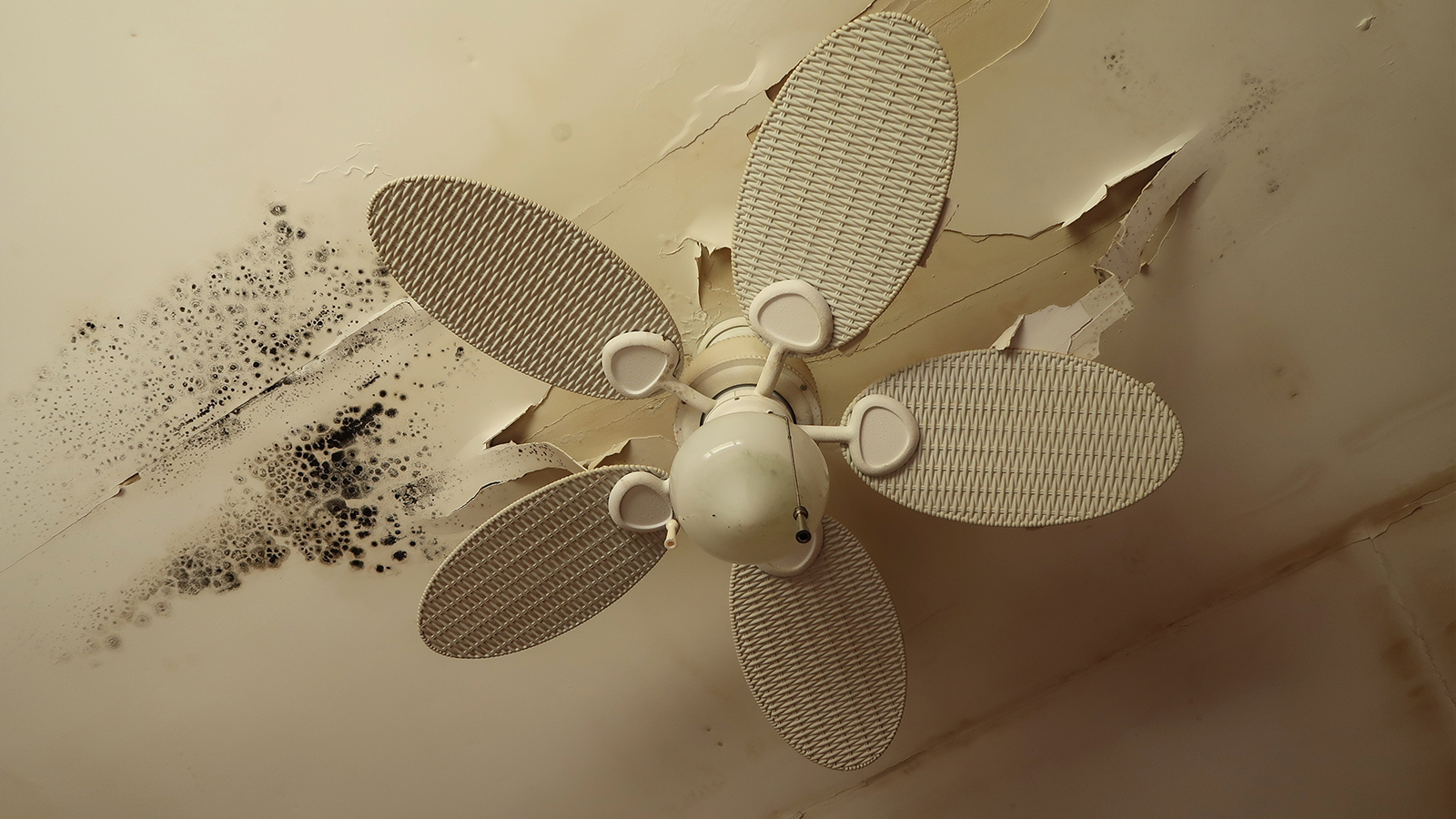
The Real Dangers: Health Risks and Property Damage
Mold infestations are serious threats to your family’s health and your home’s structure. It’s important to understand these dangers. This knowledge shows why acting fast is critical when facing mold in your home.
How Mold Exposure Affects Your Health
Mold exposure can lead to various health issues, from mild irritation to severe conditions. Your eyes, nose, and throat may burn and itch. Many people experience chronic coughing, excessive phlegm, and wheezing.
Some groups are more at risk from mold damage:
- Infants and young children
- Elderly adults over 65
- Pregnant women
- People with asthma or allergies
- Anyone with weakened immune systems
Research shows that long-term exposure can lead to asthma, bronchitis, and skin conditions like eczema. The CDC warns that Aspergillus mold is a special risk for those with lung disease. It can cause serious infections in lungs and other organs.
Structural Damage to Your Property
Water and moisture cause more than just surface problems. They damage your home’s structure. Materials like drywall, wood, and insulation absorb water and deteriorate over time.
| Building Material | Type of Damage | Replacement Cost Range |
|---|---|---|
| Drywall | Crumbling, staining, warping | $400-$800 per room |
| Wood Flooring | Buckling, cupping, dark spots | $3-$12 per square foot |
| Ceiling Tiles | Sagging, discoloration, collapse | $2-$5 per square foot |
| Insulation | Compression, mold growth, odor | $1,500-$3,000 per area |
Paint peels off walls, and wallpaper wrinkles. Plaster cracks like a spider web. Wood warps, losing strength and posing safety risks. Concrete and masonry show white powdery deposits called efflorescence.
Flooding is the worst for your property. It penetrates deep into walls, ceilings, and subfloors. These materials rarely clean well and often need to be removed. Your HVAC system spreads spores, making quick professional help essential to prevent further damage.
Spotting the Signs of Mold in Your Home
Finding mold early can prevent health and property damage. Your home shows signs of mold growth. Knowing these signs helps you act fast.
Water Stains and Discoloration on Surfaces
Water stains are the first sign of mold. They look like rings or patches on ceilings, walls, and floors. Look for them near plumbing, windows, and doors.
Peeling paint or wrinkling wallpaper means moisture is behind the surface. Warped wood or new cracks in plaster also indicate water problems. These are perfect for mold to grow.
That Musty Smell and Other Warning Signs
A musty smell often comes before mold is seen. This smell can be mild or strong and gets worse in closed areas. If rooms smell bad without water damage, hidden mold might be present.
Notice if family allergies worsen indoors or if surfaces feel dusty. This could mean mold is hiding.
Visible Mold Growth and Where It Hides
When mold starts, it looks fuzzy or transparent. As it grows, it turns dark spots in colors like black, gray, orange, purple, yellow, or green. Check these spots regularly:
| Location | What to Look For |
|---|---|
| Attics | Dark spots on wood beams and insulation |
| Basements | Fuzzy growth on walls and stored items |
| Crawl Spaces | Patches on floor joists and foundations |
| Windows | Condensation and black spots on frames |
| Bathrooms | Discoloration around fixtures and grout |
Preventing Mold Growth After Water Damage Strikes
Acting fast is key when water damage hits your home. The first few days set the stage for a quick fix or a big mold problem. To stop mold, you need to act quickly, use the right methods, and sometimes call in the experts.
Act Fast: Water Damage Cleanup in the First 24 Hours
Time is of the essence when water gets into your home. Start by removing water with towels, mops, or a wet-dry vacuum. Open windows and doors to let in fresh air. Use fans to help dry things out faster.
Take out wet items from the area:
- Area rugs and carpets
- Upholstered furniture
- Books and paper products
- Wooden furniture that absorbed water
Clean hard surfaces with a bleach solution (one cup bleach per gallon of water) to kill germs. Turn off your HVAC system if it got wet to stop mold from spreading through your home’s air ducts.
Proper Drying and Moisture Control
Drying your home takes more than just opening windows. Use dehumidifiers to keep humidity between 30-50%. Industrial fans and air movers work better than regular fans. Check hidden spots like behind baseboards and inside walls with a moisture meter to make sure everything is dry.
When to Call Steam Commander
In some cases, you need a professional mold remediation company. Call a certified mold specialist like Steam Commander if mold covers over 10 square feet, keeps coming back, or if sewage was involved. Also, if you have ongoing health issues, flooding in walls or ceilings, or suspect hidden mold, you need experts. Our certified technicians use professional-grade drying, HEPA filtration, and moisture detection to ensure mold doesn’t return.
Conclusion
When water damage hits your home, time is of the essence. Mold can start growing in just 24 to 48 hours if you don’t act quickly. The more water damage, the faster mold spreads through your home.
Every minute matters to stop mold from becoming a big health risk. If mold has already appeared, don’t worry. At Steam Commander, we specialize in fast, professional water damage restoration and mold prevention throughout Houston. Our goal isn’t just to dry your home—it’s to protect it long-term.
If you notice water damage, musty odors, or visible mold, don’t wait. Early action saves money, protects your property, and keeps your family safe.
Dealing with water damage and mold is not just about your home. It’s about keeping your family safe from serious health issues. Small leaks can lead to big mold problems, costing thousands to fix. By acting quickly and getting professional help, you can stop mold before it takes over.
FAQ
How quickly does mold start growing after water damage occurs?
Mold spores can start growing in just 24 hours after water damage. Visible mold usually appears in 24-48 hours with moisture. Experts say mold colonies can fully develop in 72 hours, making quick action essential.
What types of mold commonly grow after water damage in homes?
Several mold types grow after water damage, including toxic black mold and Aspergillus. Cladosporium and Penicillium also thrive. Each type feeds on different materials, posing health risks.
What are the main signs of mold growth I should look for after a water leak?
Look for water stains and discoloration on walls and floors. A musty smell is a sign of hidden mold. Visible mold starts fuzzy and turns dark.
Can mold grow in places where I can’t see it after water damage?
Yes, mold can grow hidden behind walls and in ceiling cavities. It can spread through your HVAC system. Musty smells without visible damage mean you have hidden mold.
What health problems can mold exposure cause after water damage?
Mold can irritate eyes, noses, and throats. It can cause coughing and breathing issues. People with weakened immune systems are at higher risk.