Has your property experienced water damage from a flood or water leak? Are you worried about mold growth and structural integrity? You’re not alone.
Many homeowners face the challenge of dealing with water damage situations. The good news? Professional water mitigation services can restore your property and prevent long-term health risks.
Understanding the structural drying process and the science of drying makes all the difference between effective restoration and costly mistakes.
Key Takeaways
- Structural drying is a process that removes moisture from building materials using specialized equipment like dehumidifiers and air movers
- Professional structural drying services prevent mold growth, which can begin to grow within 24-48 hours of water exposure
- The drying process involves water damage restoration techniques including evaporation, dehumidification, and air circulation
- Applied structural drying uses moisture meters and thermal imaging cameras to monitor drying progress and ensure complete remediation
What Is Structural Drying and Why It Matters
When water gets into your home, knowing what to do is key. Structural drying is more than just mopping up water. It’s about removing moisture from your building’s core to keep it safe and strong.
Structural elements like framing and subfloors are critical. Drying these areas prevents costly repairs later on.
How Water Affects Different Building Components
Building materials react differently to water. Some absorb it quickly, while others hold onto it for a long time. This is why getting a professional assessment is so important.
Drywall and insulation soak up water fast. They can become too wet to dry out and need to be replaced.
Wood and concrete take longer to absorb water. But they can keep it for weeks or months without drying. This makes them hard to dry completely.
Hardwood floors, carpets, and padding also pose challenges. Moisture trapped beneath them can lead to mold. This is why just drying the surface isn’t enough.
Companies like Steam Commander in Houston, TX, use special tools to find and dry out water in all these materials. They track the drying process to ensure everything is dry.
The Three Levels of Water Contamination
Water damage isn’t all the same. The type of water determines how it should be cleaned up. The IICRC S500 standard helps classify water damage levels.
Category 1 involves clean water from water supply lines or rain. While this requires immediate attention, it poses minimal health risks if addressed quickly as possible.
Category 2 contains contaminants and comes from sources like washing machines or toilet overflow. This water exposure requires additional sanitization during the restoration process.
Category 3 is highly contaminated, often from sewage or flooding. This category demands professional remediation with extensive safety protocols to protect homeowners.
Regardless of category, all water damage situations require prompt structural drying services to prevent mold and preserve structural integrity.
Learn More: Emergency Water Damage for Leaking Roofs
| Water Category | Source Examples | Contamination Level | Health Risk |
| Category 1 | Broken water supply lines, sink overflows, appliance malfunctions | Clean, sanitary water | Minimal if handled quickly |
| Category 2 | Dishwasher discharge, washing machine overflow, toilet bowl water (no feces) | Contains microorganisms | Can cause discomfort or sickness |
| Category 3 | Sewage, river flooding, contaminated ground water | Grossly contaminated with pathogens | Serious health hazards, potentially disease |
Getting a professional to assess water damage is key. Companies like Steam Commander in Houston can tell you what kind of water damage you have. This helps decide how to fix it and how safe it is.
The Professional Structural Drying Process
When you’ve experienced water damage, restoration professionals follow a systematic approach to ensure thorough drying and prevent mold growth.
The first step in the process involves assessing the extent of water damage. Technicians use moisture meters to detect moisture content in walls, floors, and ceilings. Thermal imaging cameras are used to identify hidden moisture that isn’t visible to the naked eye.
Before structural drying begins, standing water must be extracted. The faster water is removed, the less damage occurs to structural materials and the shorter the dry time.
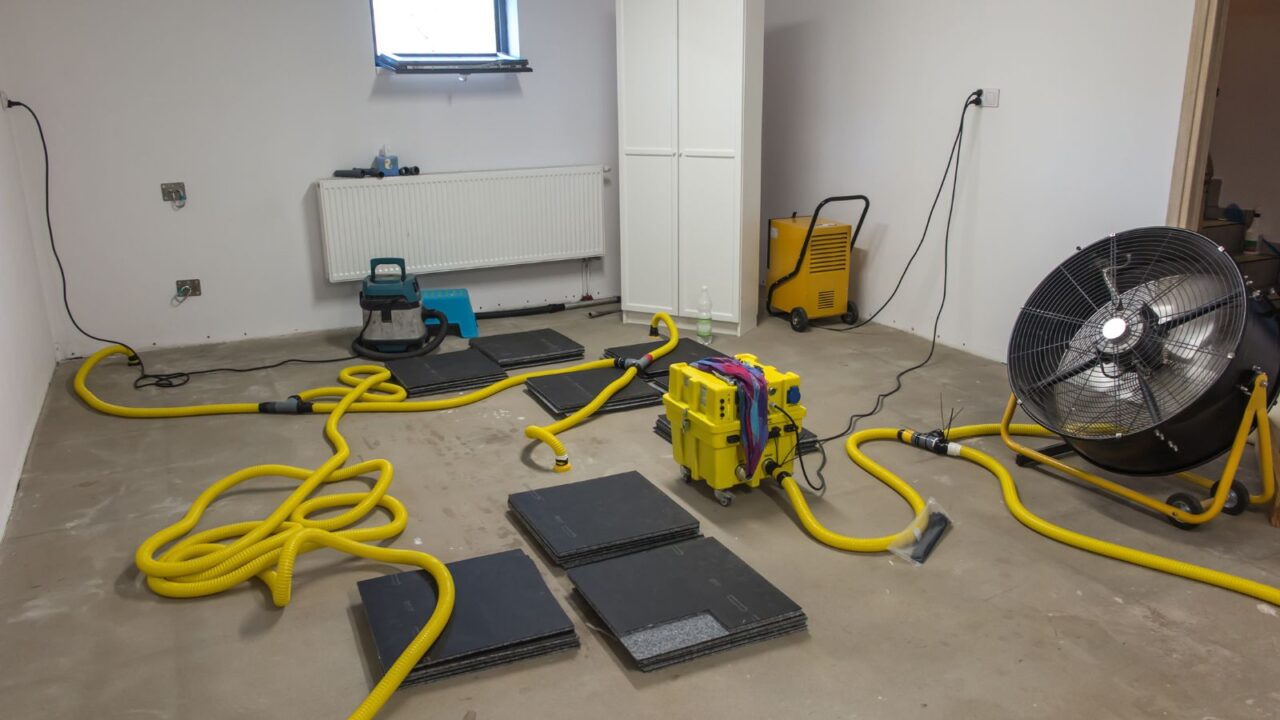
Professional structural drying relies on specialized equipment strategically positioned throughout the affected area: Air movers create airflow patterns that maximize evaporation from wet materials. Dehumidifiers remove moisture from the air to maintain optimal relative humidity. Air scrubbers filter the airborne contaminants and prevent mold spores from spreading.
At Steam Commander in Houston, we use industrial-grade drying equipment that’s far more effective than consumer-grade units. Our dehumidifiers to remove moisture can process hundreds of pints per day, while commercial air movers are used to create powerful air circulation.
Applied structural drying isn’t a “set it and forget it” process. The goal is to maintain conditions that optimize the evaporation process while ensuring that your property dries uniformly.
Advanced Drying Methods and Techniques
Different water damage situations require tailored drying methods. Professional structural drying services adapt their approach based on building materials, extent of water intrusion, and structural damage severity.
Open systems use natural ventilation combined with dehumidifiers and air movers. Fresh outside air enters while moist air exits. This works well when exterior humidity is low and clean water is involved.
Closed drying systems seal the affected area and use specialized drying chambers. This approach works better in humid climates or with category 2 and category 3 contamination. The controlled environment speeds up drying and contains contaminants.
Some situations require advanced techniques beyond standard air movers and dehumidifiers:
Drying chambers create concentrated drying environments for specific materials affected by moisture. These sealed spaces maintain optimal temperature, relative humidity, and air movement for maximum evaporation rate.
Injectidry systems deliver dry air directly into wall cavities and under flooring. This targeted approach removes remaining moisture from areas that standard equipment cannot reach effectively.
At Steam Commander in Houston, we employ these advanced drying methods when standard approaches aren’t sufficient, ensuring complete moisture and water mitigation even in challenging scenarios.
Preventing Mold Growth During Restoration
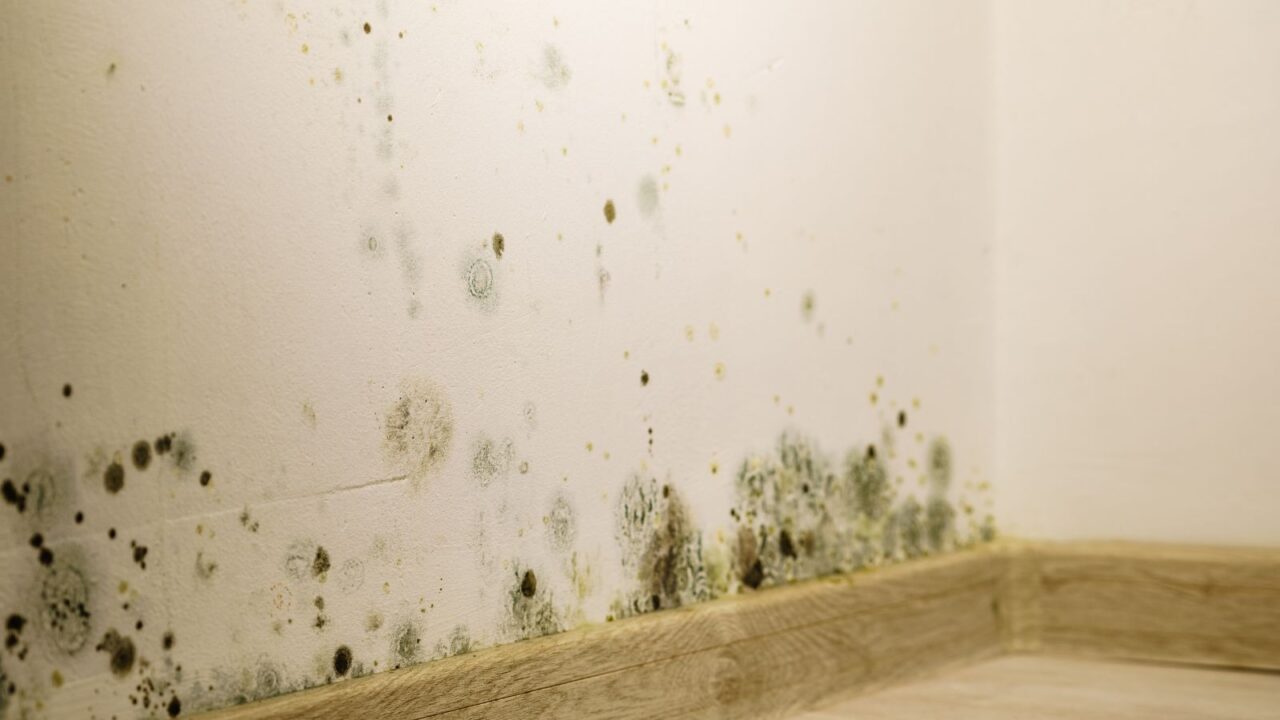
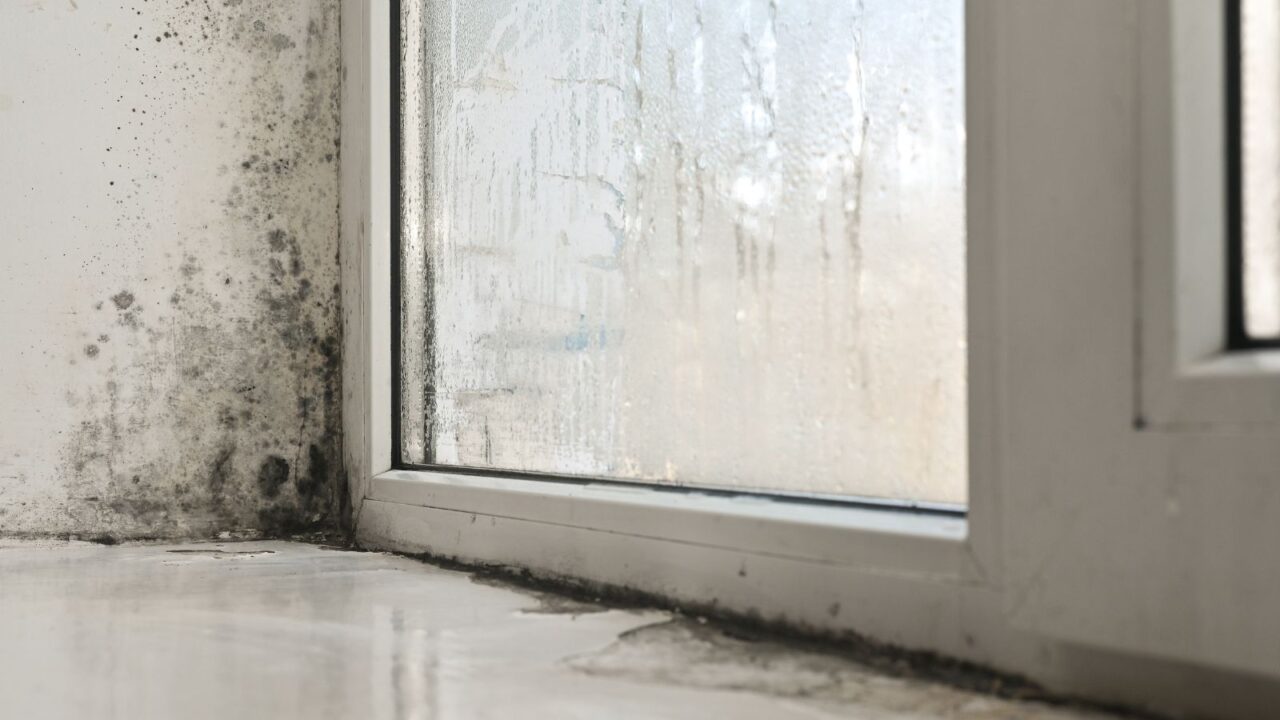
One of the primary goals of structural drying is preventing mold. Mold can begin to grow within 24-48 hours of water exposure, making rapid response critical.
How Proper Drying Prevents Mold
Mold requires three things: moisture, organic material (like wood or drywall), and time. By removing excess moisture quickly as possible, professional water damage restoration eliminates the moisture mold needs to establish colonies.
Maintaining proper humidity levels during the drying process is crucial. When dehumidifiers work effectively, they keep relative humidity below 60%—a level that inhibits mold growth. Combined with air circulation, this creates an environment hostile to mold development.
When to Call Professional Structural Drying Services
While minor spills may be manageable with household fans and shop vacuums, significant water damage requires professional expertise.
At Steam Commander in Houston and we bring experience in water damage situations that homeowners simply cannot replicate. We understand how different structural materials respond to moisture and know precisely how to deal with water damage in various building types.
Professionals also carry proper insurance and certifications, protecting homeowners from liability while ensuring work meets industry standards for remediation and restoration.
Conclusion
Structural drying is a process that combines science, specialized equipment, and expertise to remove moisture from building materials after water intrusion. Understanding the drying process helps homeowners recognize why professional structural drying services are essential for effective water damage restoration.
From the initial evaporation through complete dehumidification, every step in the process matters. Using air movers and dehumidifiers strategically, monitoring with moisture meters and thermal imaging cameras, and adjusting conditions to optimize the evaporation rate—these elements work together to prevent mold growth and preserve structural integrity.
Don’t gamble with DIY approaches when you’ve experienced water damage. The health risks from mold, potential for structural damage, and complexity of ensuring that your property is thoroughly dried make professional restoration the smart choice.
Act as quickly as possible when flood or water events occur. The faster the restoration process begins, the better the outcome. Professional structural drying protects your investment and provides peace of mind that moisture has been removed completely, making sure your property is safe and sound for years to come.
FAQ
How long does the structural drying process typically take?
Dry time varies based on the extent of water damage, materials affected, and environmental conditions. Minor water damage situations may require 3-5 days of drying, while severe flooding can take 1-2 weeks or longer. Professional structural drying services use moisture meters to determine when structural materials have reached acceptable moisture content rather than relying on arbitrary timelines. .
What equipment do professionals use for structural drying?
Professional water damage restoration relies on specialized equipment including industrial dehumidifiers that remove moisture from the air at rates far exceeding consumer models, high-velocity air movers to create optimal air circulation and increase the evaporation rate, moisture meters to detect moisture content in walls and floors, thermal imaging cameras to identify hidden water pockets, and air scrubbers to filter contaminants. Using air movers and dehumidifiers together creates the ideal conditions for drying materials efficiently. Professionals also employ drying chambers for concentrated treatment and injectidry systems to reach moisture in wall cavities. This drying equipment works synergistically to remove excess moisture and prevent mold growth throughout the affected area.
Can I handle structural drying myself or should I hire professionals?
Minor water damage from clean water (category 1) affecting small areas might be manageable with rental equipment if you understand the science of drying and have experience in water restoration. However, professional structural drying services are recommended for most water damage situations because they bring expertise that homeowners lack. Professionals know how to deal with water damage across different building materials, understand proper dehumidification and air movement techniques, use moisture meters and thermal imaging cameras to verify complete drying, and prevent mold growth through proper humidity control.
Why is preventing mold so critical during the drying process?
Mold can begin to grow within 24-48 hours when building materials remain wet. Once established, mold colonies spread rapidly, releasing spores that create serious health risks, including respiratory problems, allergic reactions, and immune system issues. Beyond health concerns, mold growth causes structural damage by decomposing organic building materials like wood and drywall. Professional structural drying prevents mold by removing excess moisture quickly as possible and maintaining relative humidity below levels that support mold development.
What determines which drying methods professionals use?
Several factors influence drying needs and methods: the category of water (clean water, gray water, or black water) determines contamination protocols and health risks; extent of water intrusion affects equipment quantity and placement strategies; building materials composition influences drying time since porous materials like drywall absorb more water than non-porous surfaces; structural integrity concerns may require gentler drying methods to prevent damage; and environmental factors like humidity affect whether open or closed drying systems work best. Professional structural drying services assess these variables and create customized plans.