Did you discover water pooling on your beautiful hardwood floors? Are you worried about long-term damage and costly repairs? You’re not alone.
Many homeowners panic when water damage strikes their floors. The truth? Quick water extraction for hardwood floors and proper drying techniques can save your investment from permanent harm.
Understanding the water mitigation process and knowing how to remove moisture effectively makes all the difference between simple remediation and expensive replacement.
Key Takeaways
- Moisture causes warping, cracking, and serious structural problems in wooden flooring materials
- Professional services typically respond within 30-60 minutes to begin emergency restoration
- Standing moisture penetrates wood surfaces quickly, making immediate action critical
- Both DIY methods and professional solutions exist depending on the severity of the incident
- Long-term damage develops when moisture issues aren’t addressed promptly and properly
- Protecting your floors means preserving your home’s value and aesthetic appeal
Understanding Water Damage to Hardwood Floors
Water damage occurs when moisture penetrates the surface and seeps deep within the wood. Whether from a burst pipe, flooding, or a spill, excess moisture causes immediate and long-term damage.
How Water Affects Different Floor Types
Solid hardwood naturally absorbs moisture, causing expansion. When your floor gets wet, the boards swell and push against each other in the tongue and groove connections. This pressure creates cupping—where edges rise higher than the center.
Engineered wood consists of multiple layers bonded together. While somewhat more water-resistant than solid hardwood, engineered wood still suffers when exposed to standing water or prolonged moisture.
Signs Your Floors Need Immediate Attention
Recognizing damage early allows for emergency water mitigation and better outcomes. Watch for these warning signs after any water event:
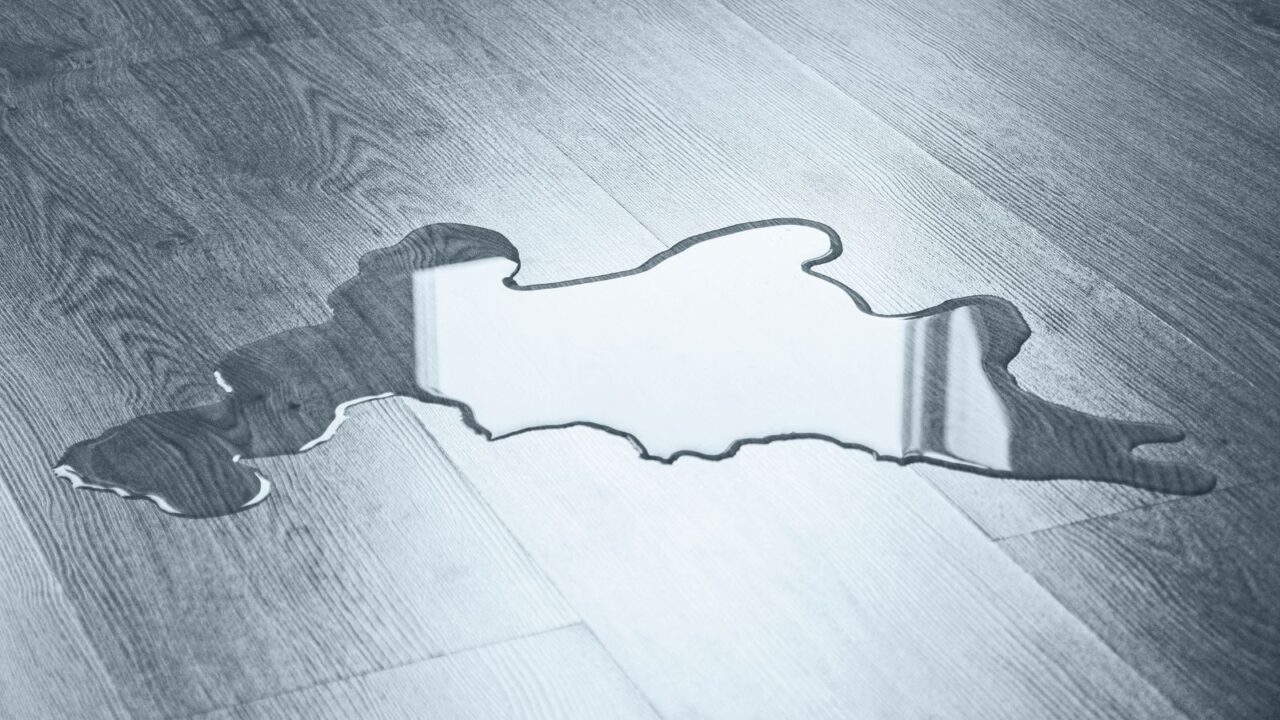
Standing water or visible puddles require immediate water extraction. Even after removing water, dampness lingers deep within the wood and subfloor, continuing the damage process.
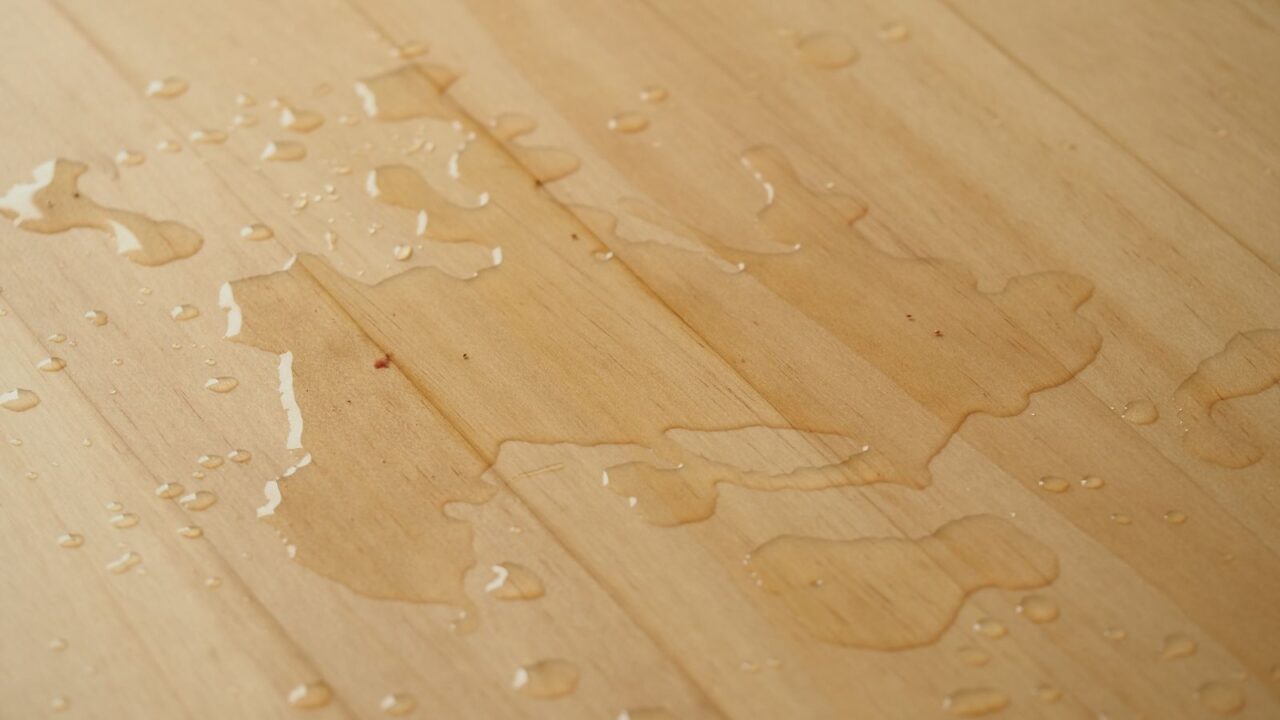
Discoloration, dark spots, or white residue indicate moisture penetration. Soft or spongy areas suggest the subfloor has absorbed liquid. Unusual odors often signal mold growth or mildew beginning beneath the surface.
Emergency Response: Water Extraction and Mitigation
Time is critical when dealing with floor water situations. The faster you begin removing water and removing moisture, the better your chances of preventing permanent damage. We at Steam Commander in Houston are experts in the mitigation process.
Immediate Water Removal Techniques
Start water extraction as soon as you discover the problem. Use these methods to remove as much water as possible:
- Microfiber towels and mop to absorb standing water quickly from the affected area
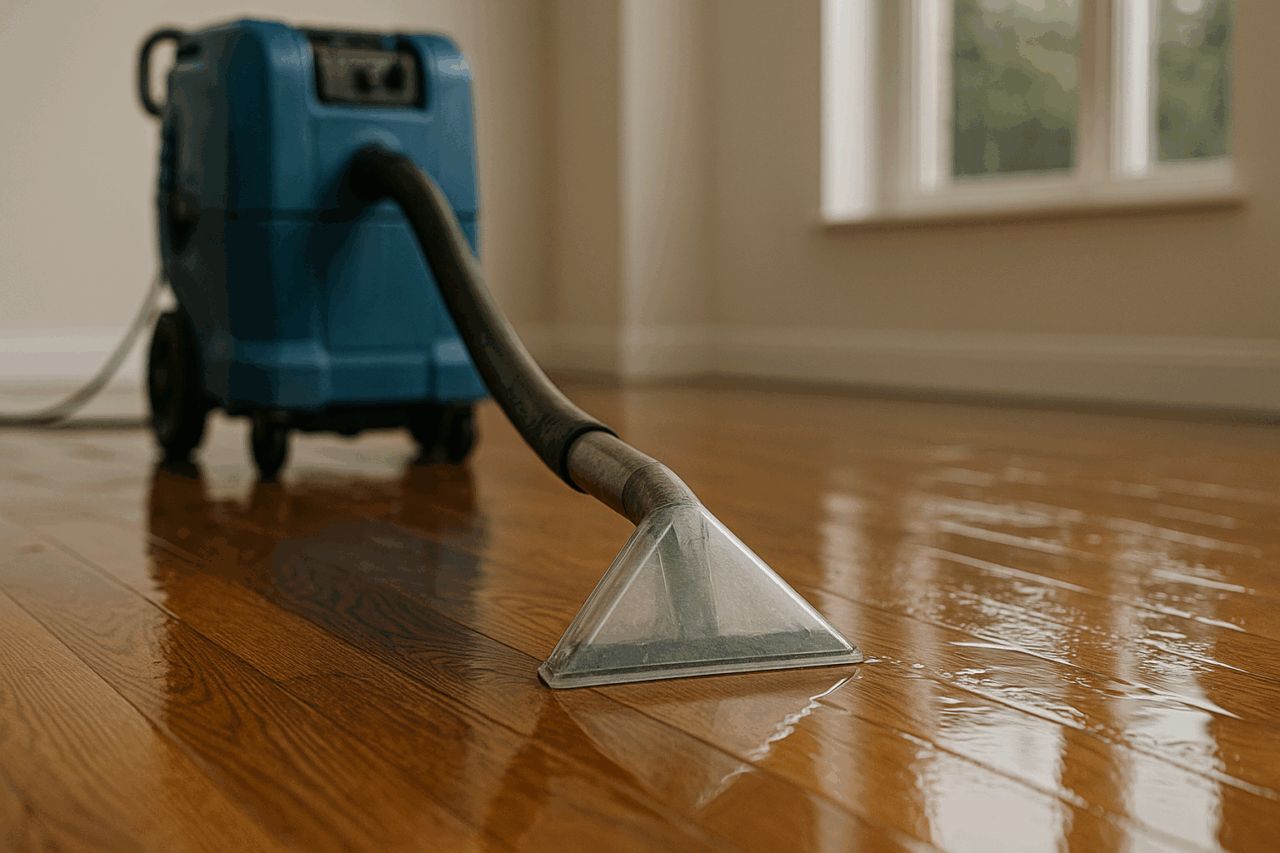
- Wet/dry vacuum for efficient extraction from larger spaces
- Rescue mats to pull water from surfaces through capillary action
- Fans positioned to promote air circulation and accelerate floor drying
Remove all furniture and objects from the affected area. Wring out towels frequently during cleanup. This allows complete access for water restoration and prevents additional items from sustaining harm.
For significant flooding, professional water damage restoration services like us at Steam Commander in Houston use industrial extraction tools. These specialized devices remove moisture from deep within hardwood floors and the subfloor more effectively than household equipment.
The Critical Drying Process
After initial water extraction, focus shifts to drying hardwood floors completely. Surface dryness doesn’t mean the wood is moisture-free—remaining moisture poses a serious threat.
Open windows and doors to increase ventilation if outdoor humidity is low. Position multiple fans to create cross-ventilation that eliminates any remaining moisture from the wood and subfloor.
Run a dehumidifier continuously in the room. These devices reduce moisture levels in the air, accelerating the drying process and preventing cupping and warping as the wood returns to normal dimensions.
Professional Floor Cleaning Process and Wood Floor Restoration
Once water extraction begins, proper hardwood floor cleaning becomes essential. The cleaning process removes contaminants and prepares surfaces for assessment.
Cleaning and Sanitizing
After removing water, clean the surface with appropriate cleaning solutions designed for wood floors. Use a damp—not saturated—mop to avoid introducing excess moisture back into the boards.
For contaminated situations (like sewage backup), professional cleanup services are mandatory. These scenarios require specialized products and techniques beyond standard cleaning.
Assessing Damage and Planning Repairs
Once drying hardwood floors is complete and moisture content returns to normal levels, assess the extent of the damage. Minor exposure may require only thorough cleaning and monitoring.
Moderate damage with slight cupping often resolves as the wood adjusts during the drying process. Your floor may self-correct over several weeks as moisture levels stabilize.
Severe damage with pronounced warping, buckling, or structural compromise requires professional floor restoration. Damaged boards need removal and replacement. The subfloor may need repair if moisture has caused deterioration.
Some situations require refinishing. Sanding removes surface discoloration, stains, and irregularities before applying a new protective coating. This restores appearance and protects against future moisture issues.
Prevention Strategies to Keep Your Floors Safe
Preventing water damage is easier than repairing it. Simple habits and maintenance protect your investment in your home or business.
Regular Maintenance
Inspect plumbing regularly for leaks that could cause floor water problems. Check under sinks, around toilets, and near appliances. Address small spills immediately before they become major issues.
Clean hardwood floors with appropriate products and techniques. Never use excessive water when you mop. Remember—water and floors don’t mix well, so always wring cleaning tools thoroughly.
Maintain indoor humidity between 35-55%. A dehumidifier helps control moisture in humid climates, preventing wood from absorbing excess environmental moisture that can cause warping over time.
Protective Measures
Place mats under pet water bowls, near entryways, and in front of sinks. These catch spills and tracked-in moisture before they reach your wood floor.
Consider water-resistant treatments that create barriers, making cleanup easier when spills occur. While no treatment makes floors completely waterproof, these products provide extra protection.
Act quickly on any spill. Even minor water events can cause problems if left unattended. Remove the water immediately with towels or a mop to prevent penetration.
Learn More: Emergency Water Damage for Leaking Roofs
When to Call Professional Water Restoration Services
Some situations exceed DIY capabilities and require expert intervention. Professional water damage restoration teams like us at Steam Commander bring specialized knowledge, IICRC-certified expertise, and industrial-grade equipment.
Call professionals when:
- Standing water covers large areas of your home or business
- Water has remained on floors for more than 24 hours
- You notice significant cupping, buckling, or warping
- The subfloor shows signs of damage or saturation
Our professional floor technicians are trained in proper mitigation techniques. They understand how different floor types respond to moisture and know exactly how to remove as much water as possible without causing additional harm.
Our experts use specialized cleaning equipment, industrial dehumidifiers, and moisture monitoring systems to ensure complete remediation. Their experience prevents common mistakes that homeowners make during cleanup services.
Conclusion – Removing Moisture and Drying Hardwood Floors
Water damage to your hardwood floor can be devastating, but quick action, proper water extraction, and thorough drying techniques can save your investment. Understanding the mitigation process and knowing when to call the professionals at Steam Commander makes all the difference.
Don’t let fear of water damage prevent you from enjoying beautiful wood flooring like hardwood in your home or business. With proper maintenance, quick response to spills and leaks, and knowledge of effective moisture removal techniques, your floors can withstand challenges and maintain their beauty.
If water damage strikes now, act immediately. Time is your most valuable resource in preventing long-term damage and avoiding the need to refinish or replace your hardwood floor.
FAQ
How quickly must I start water extraction on my hardwood floor?
Begin removing water immediately—within minutes if possible. The longer standing water sits on your wood floor, the more likely you’ll experience cupping, warping, and buckling. Moisture penetrates deep within the wood grain within hours, and the subfloor also absorbs liquid. Professional water damage restoration experts recommend starting the drying process within the first hour and completing moisture removal within 24-48 hours to minimize the extent of the damage. Quick mitigation prevents mold growth and reduces the need for extensive remediation or refinishing work.
Can I handle water damage cleanup myself or do I need professionals?
For small spills affecting limited areas, DIY water extraction using towels, a mop, fans, and a dehumidifier often suffices. Remove as much water as possible immediately, then monitor for cupping or warping. However, significant flooding, contaminated water, or damage covering large spaces requires professional water restoration services. IICRC-certified technicians are trained in proper mitigation techniques and have industrial cleaning equipment to pull water from deep within hardwood floors and the subfloor. Professional cleanup services ensure thorough moisture removal and prevent long-term damage.
What’s the difference between how solid hardwood and engineered wood respond to water damage?
Solid hardwood consists of one piece of wood throughout, making it more susceptible to expansion and contraction from moisture changes. When exposed to standing water, solid hardwood absorbs liquid quickly, causing pronounced cupping and warping. Engineered wood features multiple layers with the top being real hardwood over a plywood or composite base, making it somewhat more water-resistant. However, neither is truly waterproof, and prolonged exposure causes buckling in engineered wood just as it causes warping in solid hardwood.
How do I know when my hardwood floor is completely dry after water damage?
Visual appearance isn’t reliable—floors may look dry while remaining moisture lurks deep within the wood and subfloor. The only accurate method is measuring moisture content with professional moisture meters. IICRC-certified technicians are trained to test at multiple locations and depths to verify complete drying. Generally, the drying process takes 3-7 days for surface moisture and 1-2 weeks for deeper remaining moisture, depending on the extent of the damage, humidity levels, and ventilation.
What causes the cupping and warping I see after water damage?
Cupping occurs when moisture absorption causes the edges of boards to swell higher than the center, creating a concave shape. This happens because the tongue and groove connections restrict expansion, forcing moisture-laden wood to buckle upward at the edges. Warping results from uneven moisture distribution or drying. Both problems stem from excess moisture deep within hardwood floors. Proper floor drying with dehumidifiers and controlled ventilation minimizes these issues. In severe cases where boards don’t return to normal after moisture levels stabilize, refinishing or board replacement becomes necessary to restore the affected area.