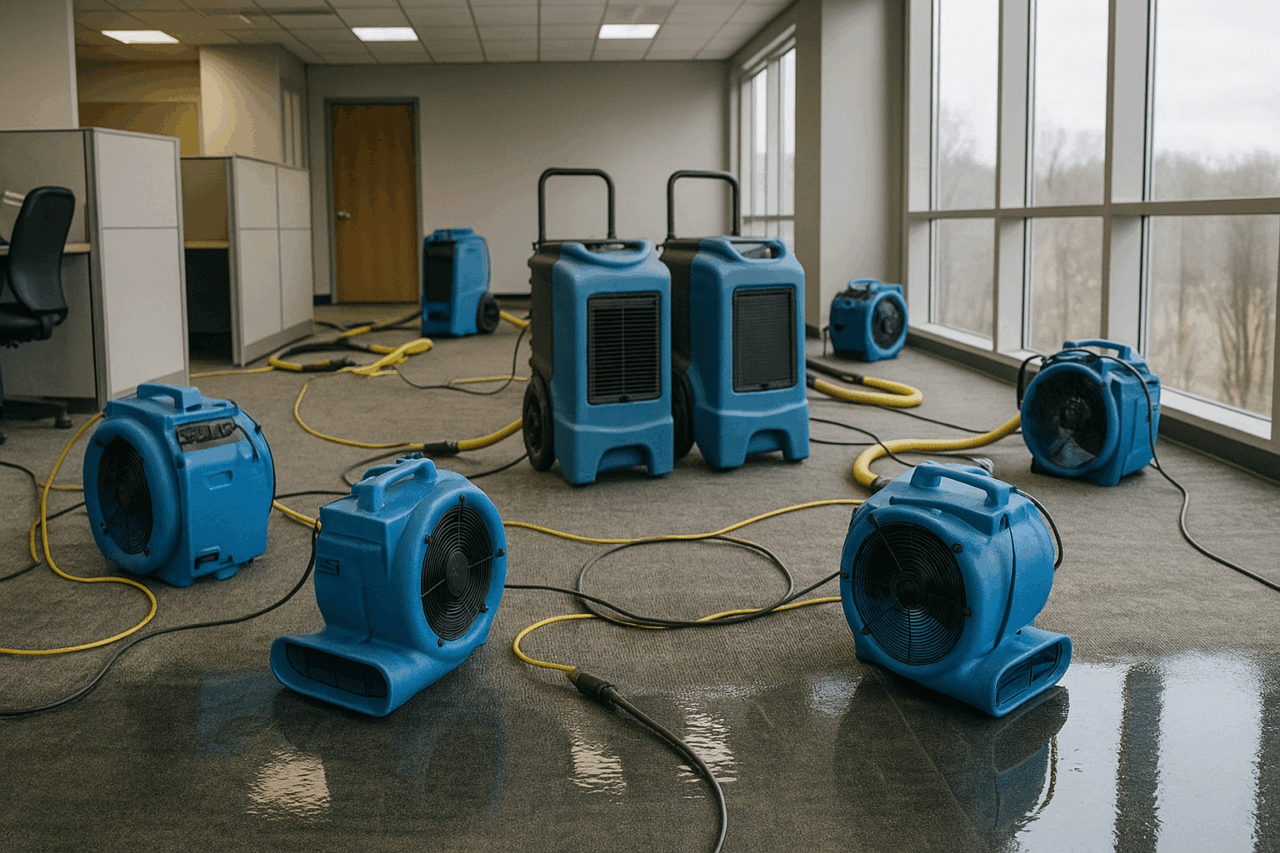
When flooding hits your facility, it’s important that you take immediate action. Water damage in commercial buildings creates more than wet floors and ruined inventory. It brings electrical dangers, mold growth, and health hazards that threaten employee safety and business continuity. Steam Commander in Houston specializes in helping businesses recover quickly from these emergencies through expert water mitigation services in commercial buildings.
Commercial properties face unique challenges compared to residential spaces. Larger square footage, complex plumbing systems, and expensive equipment require professional expertise. Every minute of delay increases repair costs and business losses.
The financial impact is severe. For most business owners, their facility represents their largest investment. Swift water removal and restoration services protect your property from extensive damage while maintaining operations. Waiting can cost thousands in lost revenue daily, making rapid response critical for your bottom line.
Key Takeaways
- Immediate response prevents escalating damage and significantly reduces restoration costs
- Professional services address hidden moisture that standard methods miss
- Delayed action increases health hazards and potential legal issues
- Specialized equipment handles large-scale emergencies faster than basic tools
- Proper documentation supports insurance claims and speeds reimbursement
Understanding Commercial Water Damage
Not all flooding is identical. Recognizing these differences saves your business time, money, and prevents health risks. Before tackling any emergency water damage cleanup, understand exactly what you’re dealing with and what caused the problem.
Categories of Contamination
Flooding falls into three distinct categories based on contaminant levels:
- Category 1: Clean sources like water supply lines or broken fixture pipes (least dangerous)
- Category 2: Contaminated sources from appliance overflows or toilets without sewage
- Category 3: Serious health threats containing harmful bacteria from sewage backups or outdoor flooding
Each category requires different treatment protocols. Category 1 water may seem harmless initially, but if left untreated, it can quickly deteriorate into category 2 water as it absorbs contaminants from building materials. Category 3 water may contain waste, be contaminated, and pose a more significant risk. Understanding these types of water helps property owners and managers assess the extent of damage and determine appropriate response measures.
Common Causes
Your building faces several vulnerabilities leading to emergencies. Aging plumbing systems develop leaks over time. Heavy storms cause basement flooding. Accidental impacts break sprinkler heads. Clogs form in drainage lines, causing backups. Sump pumps malfunction during critical moments when you need them most.
Even minor leaks signal bigger issues lurking in your infrastructure. That small drip you’ve been ignoring could escalate into a facility-wide crisis without quick attention. Regular inspections help identify potential problems before gallons of water flood your facility.
A water leak in your plumbing systems can waste significant resources while causing structural damage. What appears as a small water leak may indicate corrosion, loose connections, or failing pipes within your walls. Addressing these common causes early prevents emergency water situations that disrupt business operations.
Emergency Response and Initial Extraction
When flooding suddenly impacts your building, rapid action is crucial. Having an emergency water mitigation response plan ready makes all the difference. Professional teams are available 24/7, typically arriving within an hour. However, knowing immediate steps helps minimize initial damage.
Immediate Actions to Stop Damage
First, locate and use shut-off valves to stop the water flow. Ensure you know where these valves are before problems occur. If utility company lines are involved, contact them immediately. Keep a reliable plumber’s contact information readily accessible.
The primary goal is to stop water flow as quickly as possible. Every second matters in preventing additional damage to your facility. Turn off the water at the main shutoff if necessary to prevent water waste and additional flooding.
Knowing how to stop water at its source can prevent thousands of gallons of water from flooding your commercial property. Property managers should train staff on emergency procedures, including how to turn off the water supply at various points throughout the building. This preparation helps conserve water and limits damage when seconds count.
Beginning the Emergency Water Removal Process
After stopping the source, remove standing water immediately. Prolonged exposure causes more extensive damage to building materials and contents.
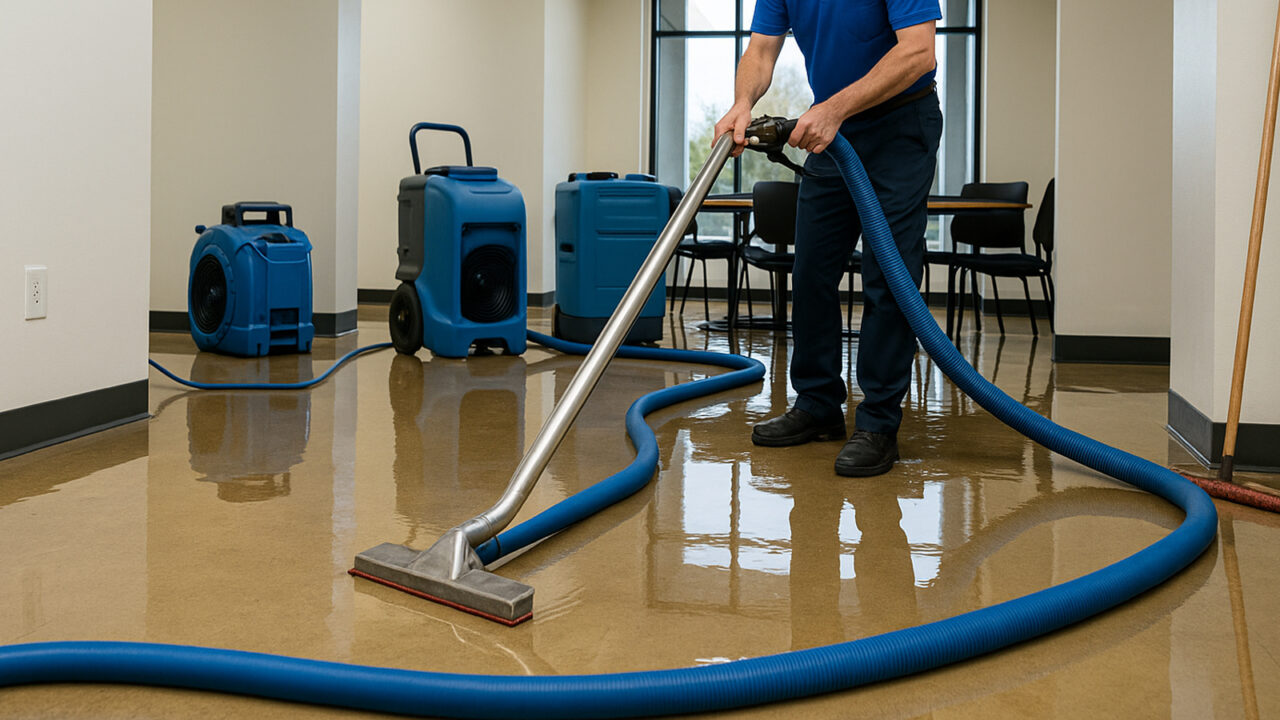
Professionals use special tools for rapid extraction. Powerful pumps and vacuums remove water from floors and surfaces efficiently. Following proper steps early dramatically reduces overall damage. Quick water removal helps avoid expensive problems like mold growth and structural issues later.
Learn More: How To Get Mold Out of Carpet
Professional Services for Commercial Buildings
Choosing a skilled restoration company means accessing advanced technology and certified experts. They provide more than basic extraction—starting with a comprehensive assessment and working toward complete property restoration. Steam Commander understands that commercial water damage requires specialized knowledge and equipment that only professionals can provide.
Comprehensive Assessment
Your team begins with detailed inspection using advanced tools. IICRC-certified technicians use thermal cameras, moisture meters, and leak detection equipment. They identify hidden damage in walls, floors, and ceilings that standard inspection methods miss.
They determine water intrusion extent and location, mapping moisture levels in different materials. This information creates a targeted plan addressing every damaged area in your facility. The assessment phase is critical because damage can occur in hidden spaces within HVAC systems, behind walls, and under flooring.
Professionals assess the extent of contamination to determine which restoration phase is appropriate. They examine whether water comes from sanitary sources or contains dangerous contaminants requiring special handling protocols.
Advanced Extraction Cleanup and Drying
The drying process employs powerful equipment strategically placed throughout your property. Commercial dehumidifiers pull moisture from air while air movers accelerate evaporation. Specialized machines provide water extraction from carpets before water damage occurs.
Your team monitors moisture levels daily, ensuring the drying process progresses correctly and prevents further damage to structural integrity. This careful monitoring protects your investment and ensures thorough results.
Preventing Mold Growth and Secondary Damage
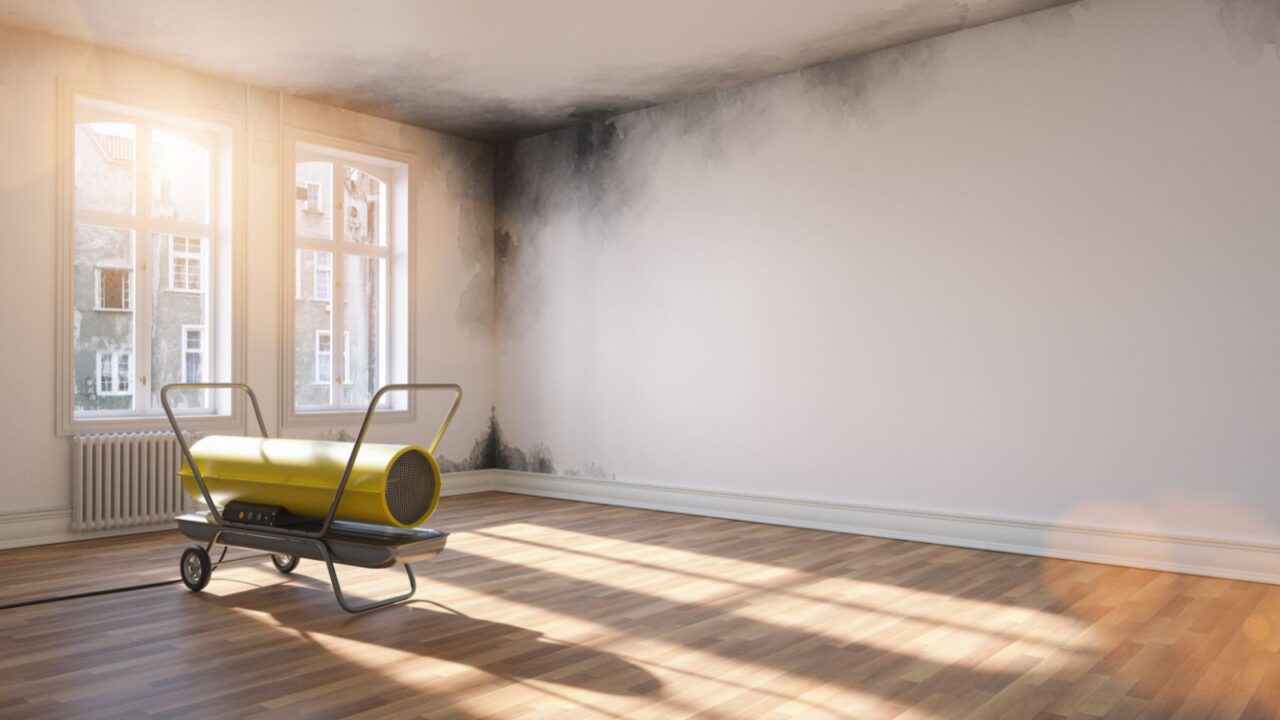
Professionals work swiftly to prevent mold growth, which can begin within 24-48 hours of flooding. They clean and treat affected areas with antimicrobial solutions. Some materials, like drywall and insulation, may require replacement to maintain building safety.
| Restoration Phase | Equipment Used | Materials Treated | Timeline |
| Assessment | Thermal cameras, moisture meters, leak detection tools | All building areas including walls, floors, ceilings | Day 1 |
| Water Extraction | Commercial extractors, pumps, wet vacuums | Carpet, floor surfaces, porous materials | Days 1-2 |
| Drying Process | Commercial dehumidifiers, air movers, desiccant systems | Structural elements, HVAC systems, furnishings | Days 3-7 |
| Sanitization | Air scrubbers, antimicrobial treatments, odor control systems | All affected surfaces and air spaces | Days 5-8 |
| Restoration | Construction tools, replacement materials, finishing equipment | Drywall, flooring, ceiling tiles, damaged components | Days 7-14+ |
Steam Commander technicians address both visible and hidden damage, determining what can be dried and saved versus what needs replacement for your building’s long-term health.
Working With Your Insurance Provider
Documentation is essential for successful insurance claims. Professional restoration companies understand what insurance providers require and can damage and provide detailed records throughout the restoration process. They photograph affected areas, document moisture levels, and track all repair work performed.
This thorough documentation helps property managers and property owners navigate the claims process more smoothly. Many restoration companies work directly with insurance providers to streamline approvals and ensure proper coverage for necessary services.
Understanding your policy coverage before emergency water damage occurs helps avoid surprises during the restoration phase. Review your policy to know what types of water damage are covered and any exclusions that may apply to your commercial building.
Fire Safety and Operational Considerations
Water extraction and restoration must consider fire safety systems within your facility. Flooding can compromise sprinkler heads, alarm systems, and other critical safety equipment. Professional teams inspect these systems during the restoration process to ensure they remain functional and compliant with regulations.
Minimizing operational disruptions is a significant priority during commercial water damage restoration. Restoration companies often work onsite during off-hours or in sections to allow partial business operations to continue. This approach helps reduce the risk of complete shutdowns that result in substantial revenue losses.
Property managers must balance safety concerns with business continuity needs. While some areas may require complete evacuation during cleanup, professional teams can often isolate affected areas to maintain partial operations in unaffected sections.
Preventive Measures and Best Practices
Implementing best practices helps prevent water damage before it occurs. Regular maintenance of plumbing systems, including inspection of pipes, fixtures, and connections, identifies potential problems early. Schedule routine checks of sump pumps, especially before storm seasons when basement flooding risks increase.
Install water detection sensors in vulnerable areas like basements, near water heaters, and around HVAC systems. These devices alert property managers to leaks before they become major problems. Early detection can prevent water from spreading to larger areas and causing extensive damage.
Train your staff on emergency procedures, including where shut-off valves are located and how to respond when they discover a water leak. Quick action by trained employees can stop water flow and minimize damage while waiting for professional help to arrive.
Consider upgrading older plumbing systems and fixtures in aging commercial buildings. Modern materials and connections are more reliable and less prone to failure. While upgrades require investment, they significantly reduce the risk of catastrophic failures that cause emergency water situations.
Develop relationships with qualified professionals before emergencies occur. Having a restoration company already vetted and ready to respond saves precious time when flooding strikes. Many companies offer priority service to pre-registered commercial clients, ensuring faster response times during emergencies.
Protecting Your Commercial Properties Business Investment
When flooding impacts your commercial space, time is critical. You cannot afford delays while water destroys assets and halts operations.
Your business needs a robust emergency response plan. Professional teams work continuously to restore normal operations quickly. They use special tools and understand exactly what your facility requires for complete recovery.
The right choice is clear. Steam Commander’s restoration services minimize downtime and financial losses. Acting fast prevents small issues from becoming major problems requiring weeks to resolve.
It’s wise to establish relationships with reliable teams before disaster strikes. Look for certified professionals available 24/7 who understand your building type. Ensure your staff know how to reach them during emergencies.
Your building represents a significant investment. Professional restoration keeps it safe while protecting employees and customers. Don’t wait until water starts pooling to identify who to call for help.
Conclusion
Commercial water damage requires immediate professional attention to protect your business investment. Understanding contamination categories, knowing emergency response steps, and having certified experts ready make the difference between minor inconvenience and major operational disruptions.
Don’t wait for disaster to find qualified help. Establish relationships with IICRC-certified restoration companies now. Ensure your team knows shut-off valve locations and emergency contacts. Regular plumbing system inspections and maintenance reduce the risk of unexpected flooding.
Your facility represents years of hard work and significant financial investment. Protect it with proper planning and professional support when emergencies occur. Quick action, specialized equipment, and expert knowledge minimize damage, reduce costs, and get your business back to normal operations faster.
Frequently Asked Questions
How quickly should I respond to commercial building flooding?
Act immediately, ideally within the first hour. Quick action stops damage progression, prevents mold growth, and helps maintain business operations. Every minute of delay increases total costs and recovery time.
What causes most of the water damage in commercial buildings?
Common causes include aging plumbing systems, basement flooding during storms, broken sprinkler heads from impacts, drainage clog formations, and malfunctioning sump pumps. Small leaks often indicate larger problems requiring professional attention before they escalate.
Can I handle commercial water damage cleanup and removal myself?
No. Basic equipment cannot address the scale and complexity of commercial flooding. Professionals have specialized equipment and expertise to find hidden moisture in HVAC systems, walls, and floors that DIY methods miss completely.
How long does the water damage restoration process take?
Duration depends on damage extent and how quickly you respond. Initial extraction typically occurs within 1-2 days. The drying process usually takes 3-7 days. Complete restoration, including repairs, may take 1-2 weeks, depending on severity.
Why is preventing mold growth so important?
Mold begins developing within 24-48 hours and poses serious health risks. It spreads rapidly through porous materials like carpet and drywall. Professionals work quickly to dry affected areas and apply antimicrobial treatments, protecting your property and preventing health hazards.