
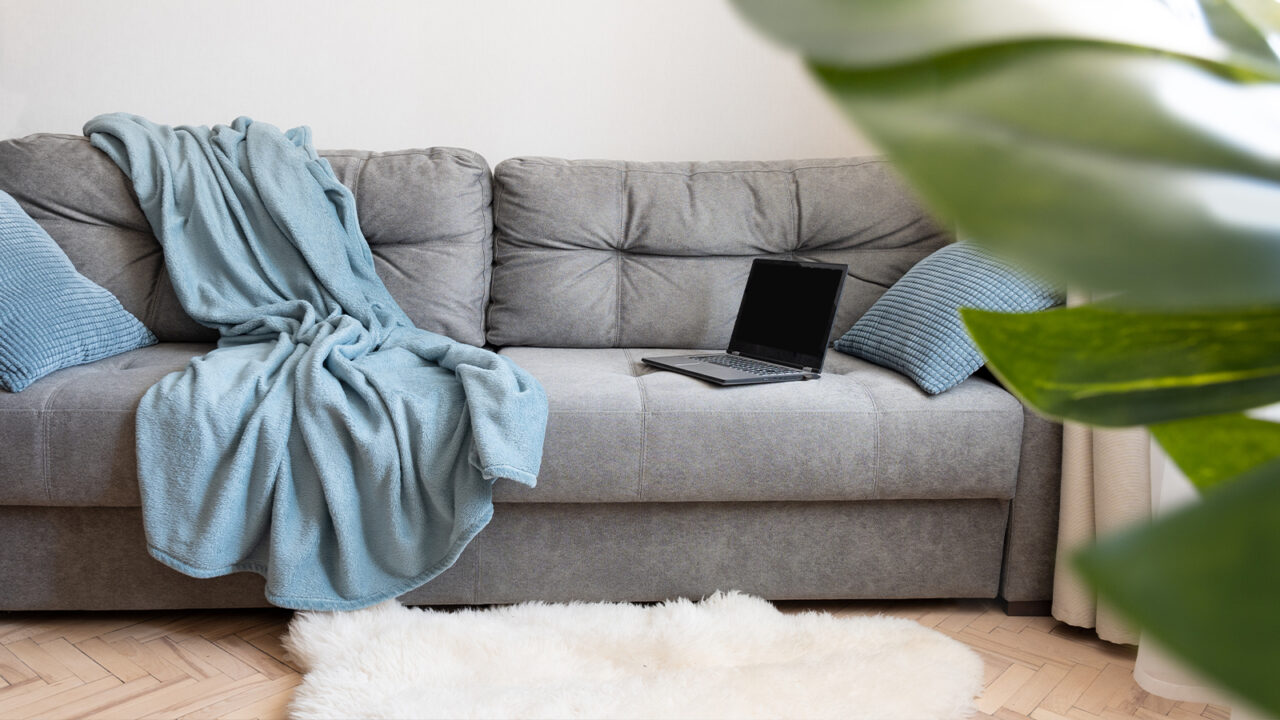
Your microfiber couch battles spills, pet hair, and sticky fingers every day. It’s durable and stands up to wear and tear better than most. The velvety texture feels great and resists stains well.
Cleaning your microfibers upholstery right keeps your sofa fresh and comfy for years. Each couch has its own care needs based on its cleaning code. Knowing how to clean it properly is key to a spotless sofa.
Regular care keeps your microfiber looking new and extends its life. Simple weekly care prevents dirt buildup and keeps it soft. Quick action when accidents happen saves your furniture from permanent marks.
Key Takeaways
- Check your furniture’s care tag before using any cleaning products on microfiber
- Test cleaning solutions in hidden spots to prevent visible damage
- Use gentle circular motions when cleaning to avoid matting the fabric
- Brush dried microfiber with a soft-bristled brush to restore its texture
- Clean spills immediately for the best chance at complete stain removal
- Schedule deep cleaning every 3-4 months to maintain your upholstery
Understanding Your Microfiber Furniture’s Cleaning Codes
Before you clean the couch, take a moment to check its care tag. Every microfiber sofa sold in the United States comes with a manufacturer’s label. This label tells you the safest way to clean a microfiber piece. These tags protect both your fabric care routine and the cushion fillings inside your furniture.
Decoding the Care Tag Labels
Your couch or chair has a small tag that acts like a roadmap for upholstery cleaning. This label uses a simple cleaning code system to guide you. Each code represents specific cleaning methods that work best for your particular fabric type.
What Each Cleaning Code Means for Your Couch
Understanding your furniture’s cleaning code prevents damage and keeps your microfiber sofa looking fresh. Here’s what each code tells you:
| Cleaning Code | Meaning | Safe Cleaning Method |
| W | Water-based cleaning allowed | Use water-based cleaners, mild soap solutions |
| S | Solvent cleaning only | Dry cleaning solvents, rubbing alcohol (ventilate room) |
| W-S | Water or solvent cleaning | Both water-based and solvent cleaners work |
| X | Vacuum only | No liquids – vacuum or call professionals |
Finding the Care Tag on Your Microfiber Sofa
Check underneath your couch or chair first. Lift up the cushions and look along the frame. The care tag often hides under seat cushions or beneath the furniture base. If you can’t find a tag, treat your fabric care with caution and assume it needs solvent-based cleaning to stay safe.
Essential Tools and Cleaning Solutions for Microfiber
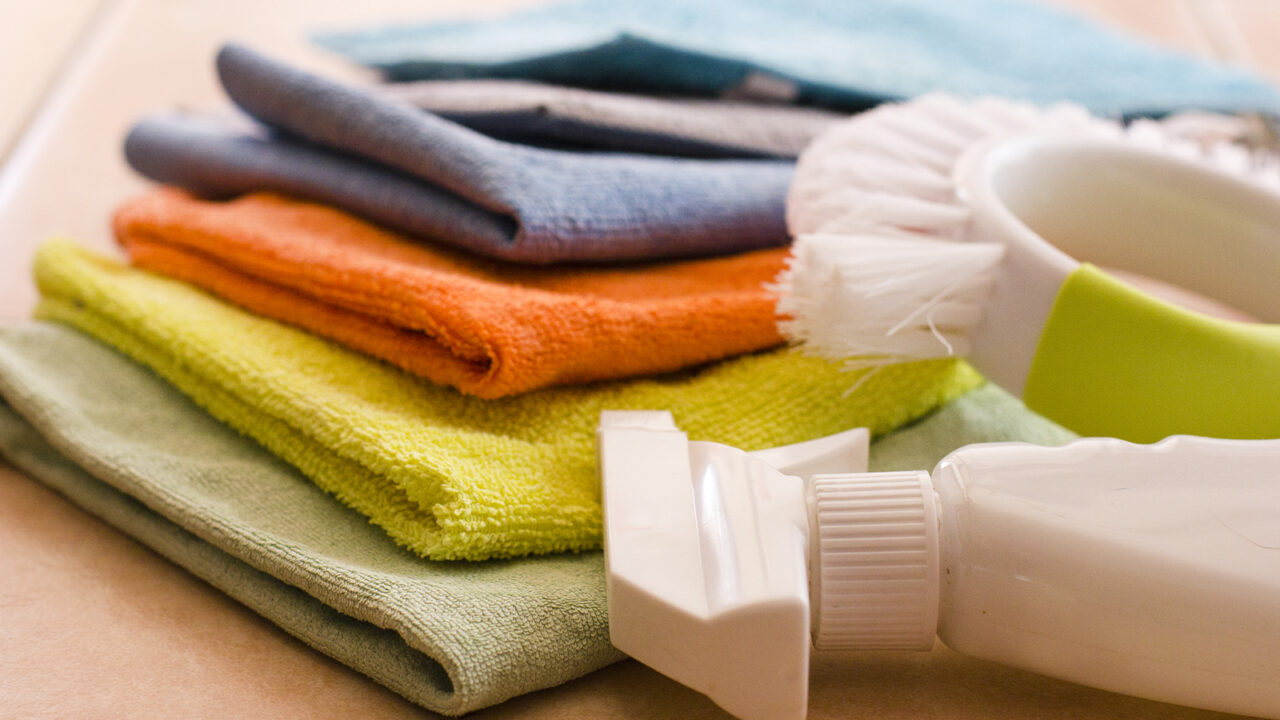
To make your microfiber couch shine, you need the right tools. You don’t have to spend a lot on fancy stuff. Simple items from your kitchen can help you clean dirt, stains, and smells.
Must-Have Cleaning Supplies for Your Microfiber Couch
Here’s what you should have:
- A vacuum with an upholstery attachment
- White or light-colored microfiber cleaning cloth (prevents color transfer)
- Clean spray bottle for mixing solutions
- Soft-bristled upholstery brush
- White sponge for blotting stains
- Plain baking soda for odor removal
DIY Cleaning Solutions vs. Commercial Products
You can make your own cleaning solutions. For S-coded furniture, use rubbing alcohol in a spray bottle. For W-coded pieces, mix clear dish soap with warm water. A mix of water, vinegar, and baking soda is good for W-S coded upholstery.
Commercial cleaners like Woolite Carpet & Upholstery Foam Cleaner are convenient but pricey. DIY solutions let you control what you use and save money.
Choosing the Right Brush and Cloth Materials
Use a stiff-bristled brush to lift matted fibers after cleaning. Your microfiber cloth should be lint-free and absorbent. Baby wipes are great for quick spot cleanings between deep cleans. Always test any cleaner on a hidden area first to avoid damage.

How to Clean Microfiber Upholstery Step-by-Step
Ready to deep clean a microfiber couch? Follow the right steps for safe and effective cleaning. A clean couch means better comfort and a fresher home. Let’s go through each step to make your furniture look its best.
Preparing Your Couch for Deep Cleaning
Before cleaning, remove all pillows and cushions. Vacuum or brush the couch, focusing on crevices and seams. Start at the top to catch all debris.
For extra freshness, try this dry cleaning trick the night before: sprinkle baking soda over the entire surface, work it in gently with a soft brush, and vacuum it up the next morning. This helps absorb odors and loosens dirt.
Testing Cleaning Solutions on Hidden Areas
Always test your cleaning solution on a hidden spot first. Choose a one-inch square area on the lower back or bottom of a cushion or the couch back. Dampen a microfiber cloth with your chosen cleaner and blot the test area gently. Check for color transfer and let it dry completely before proceeding.
Proper Techniques for Different Cleaning Codes
Your cleaning method depends on your couch’s care code:
- Code S (Solvent): Spray rubbing alcohol lightly on the top of a cushion. Use a sponge to spot clean by blotting the soil. Work in small sections without saturating the fabric.
- Code W (Water): Dampen your cloth with a mild soap solution. Clean the microfiber couch using circular motions, then blot with a dry cloth. Wipe down with clean water to remove soap residue.
Learn More: Best Practices For Upholstery Stain Removal
Refreshing the Fabric Texture After Cleaning
Once your couch is completely dry, restore the soft texture. Use a soft-bristled brush in gentle circular motions across the surface. This fluffs up the fibers and removes any stiffness from cleaning. Your steam cleaner can help speed drying time if needed.
Removing Tough Stains and Odors from Microfiber
Microfiber furniture is easy to clean if you act fast on spills and stains. Its tight weave stops most liquids from getting deep into the fabric. This gives you time to clean the spot before it’s too late.
For fresh spills, use a microfiber cloth to gently blot the stain. You might need a little water. Baby wipes are perfect for everyday dirt and stains. Keep them in your living room for quick cleanups.
Grease and pet stains need more care to clean your couch or chair. Always check your furniture’s cleaning code first. For W-code fabrics, mix mild soap with water and apply it to tough stains. Use a stiff brush while it dries to keep the fabric soft.
S-code fabrics need rubbing alcohol to remove stains. Lightly spritz the stain. Always test cleaning solutions on a hidden spot first.
Baking soda is great for tough stains and odors. Dust the whole surface and get it into every corner. Let it sit overnight to soak up odors, then vacuum it well. This method is amazing for pet odors and musty smells.
Remember, stains are easier to remove if you act fast. The longer you wait, the harder they are to get rid of. With these tips, your microfiber furniture will stay fresh and welcoming.
Professional Tips from Steam Commander’s Experts
At Steam Commander, we’re experts in cleaning microfiber couches in Houston, Texas. Our team shares tips to keep your couch looking great between cleanings.
When to Call Professional Upholstery Cleaners
Regular care keeps your furniture in top shape. But, some issues need a pro’s touch. Call us for stains that won’t go away, smells that won’t fade, or when your couch feels flat.
Deep pet stains, wine spills, and ink marks are tough. They need our special tools to get clean.
Steam Cleaning Methods for Deep Clean Results
Our steam cleaning reaches deep into your couch’s fabric. We use special tools that clean without soaking your couch. The steam kills germs and gets rid of bad smells without harsh chemicals.
| Cleaning Method | Best For | Drying Time |
| Hot Water Extraction | Deep stains, heavy soil | 4-6 hours |
| Low Moisture Steam | Light cleaning, quick refresh | 1-2 hours |
| Dry Foam Cleaning | Delicate microfiber | 30-60 minutes |
Maintaining Your Microfiber Between Professional Cleanings
To keep your microfiber clean between visits, vacuum or use an upholstery tool weekly. Use a brush to fluff up your couch. Clean spills right away and let your couch dry fully.
After regular cleaning, use Scotchgard to protect your couch. Try to keep pets off your furniture. Vacuum your floors every time you clean them.
Conclusion – Microfiber Couch Cleaning and Fabric Care
Caring for your microfiber upholstery is easy once you know the right steps. Learning the best cleaning methods for your fabric code makes upkeep simple. Just be quick to clean spills and follow a cleaning routine that fits your life.
Always let the fabric air-dry completely after cleaning. This is true for both white and darker microfiber. Patience during drying prevents water marks and ensures even drying. When using cleaning solutions, use them sparingly. Too much can harm the fibers and slow down drying.
Your microfiber couch can look great for years with proper care. Quick spot treatments, regular vacuuming, and occasional deep cleaning keep it fresh. For tough stains or odors, services like Steam Commander can help restore your furniture. By following these tips and letting the fabric air-dry, your furniture will stay comfortable and attractive for a long time.
FAQ
What’s the best way to clean a microfiber couch with pet stains?
First, check your couch’s cleaning code. For W-coded fabric, mix warm water and a tablespoon of mild dish soap in a spray bottle. Spray the area lightly and blot with a clean cloth.
For tougher stains, add vinegar and baking soda to your solution. Always test on a hidden spot first. Use a vacuum or brush afterward to restore the texture.
Can I use a steam cleaner on my microfiber furniture?
You can steam clean W or W-S coded microfiber couches. But avoid S or X-coded fabrics. Steam can damage dry-clean-only materials. If your tag shows W or W-S, use the upholstery attachment on your steam cleaner. Work in small sections to prevent over-saturation. Let the fabric air-dry completely before use.
How do I remove grease stains from my microfiber sofa?
Grease stains need quick action. For S-coded microfiber, use a damp microfiber cloth with rubbing alcohol. Gently blot the stain. For W-coded fabric, mix soap suds with warm water and dish soap. Use a sponge to work the suds into the stain. Start at the top and work downward. After treating, blot excess moisture with a dry cleaning cloth and let air-dry.
What cleaning products should I avoid on microfiber upholstery?
Avoid harsh carpet cleaners and bleach-based products. If your furniture has an X cleaning code, only vacuum or seek professional cleaning. For S-coded fabrics, never use water-based cleaners as they can damage the fiber. Always check the cleaning code before using any upholstery cleaners.
How often should I deep clean a microfiber couch?
Deep clean your microfiber couch once every season, about four times a year. High-traffic pieces may need more frequent cleaning. Vacuum weekly with an upholstery attachment and spot clean spills immediately. This regular maintenance keeps your couch looking great and extends its life.
Learn more: How Often Do You Need To Clean Your Upholstery?
Can I machine wash microfiber couch cushion covers?
If your covers have a W cleaning code and zip off, you can machine wash them in cold water. Hang them to dry. Never machine wash covers with S or X codes – they need dry cleaning or professional services.
Why does my microfiber couch feel stiff after cleaning?
Stiffness comes from cleaning residue or fibers matting down. To fix this, run a fine-tooth comb or dry sponge over the surface in circular motions. Use a soft upholstery brush to lift the fibers. This restores the velvety texture. Always ensure your microfiber is completely dry before brushing.